
Tiwanaku Ruins – Lake Titicaca Catamaran – Mi Teleférico Cable Car – Valle de la Luna – Sajama Volcano 6,542m – Witches’ Market
Overview
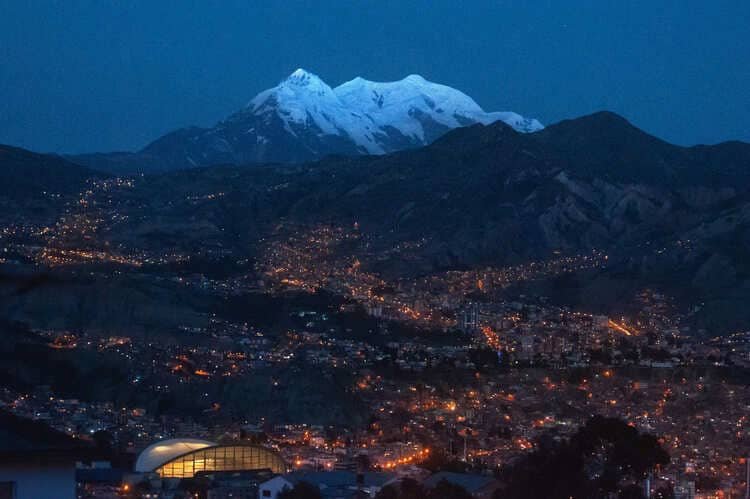
La Paz sits at 3,640 metres above sea level in a dramatic bowl-shaped valley surrounded by the snow-capped peaks of the Cordillera Real, making it one of the most visually extraordinary capital cities on earth. Officially the seat of government of Bolivia, the city rises from its canyon floor up sheer hillside walls where dense urban neighbourhoods spill across the slopes of El Alto — the indigenous Aymara city above — creating one of South America’s most layered and complex urban landscapes. No other city in the world looks like La Paz from above, and no visit to Bolivia is complete without spending meaningful time here.
Beyond its iconic silhouette, La Paz is the gateway to some of Bolivia’s most significant natural and cultural sites. Tiwanaku — the pre-Incan archaeological complex 70 kilometres to the west — was the capital of one of the most powerful civilisations in South American prehistory, flourishing between 500 and 1000 AD and predating the Inca Empire by centuries. To the west, Sajama National Park (Bolivia’s oldest, established in 1939) preserves the volcanic landscape surrounding Nevado Sajama at 6,542 metres — the highest peak in Bolivia — alongside ancient Queñua forests at 5,000 metres altitude, the highest forest on earth. And just 90 kilometres from the city, the Jukumari Lodge area in the Yungas cloud forest offers world-class birdwatching with six of Bolivia’s 18 endemic bird species, plus a moderate chance of encountering the Andean Bear in pristine habitat rarely visited by tourists.
Nick’s Adventures Bolivia has been operating expert-guided tours throughout the La Paz region since the 1990s, with fully bilingual naturalist and cultural guides, private transport, and small group sizes that allow genuine access to landscapes and communities most visitors never reach. Whether you have a single day or a full week, the La Paz region rewards every hour invested in exploring it.
Destination Type
How to Get There
Best Time to Visit
Highlights
Our team replies within a few hours. We also speak Spanish and English.
tour plan
01
Cultural – Urban – Flexible
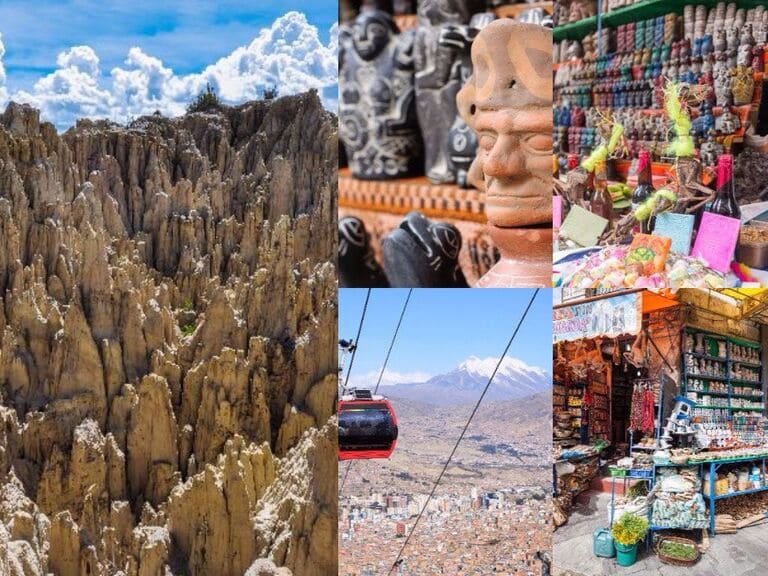
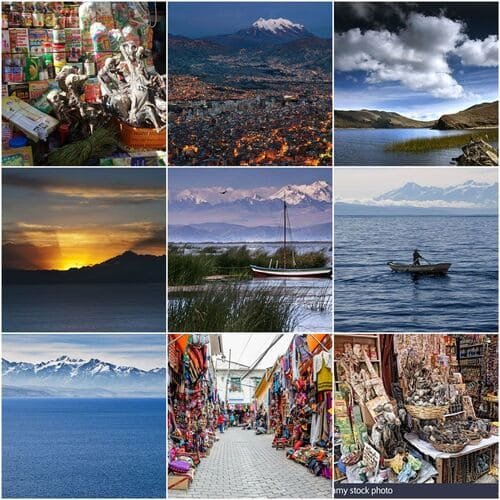
La Paz is unlike any other city on earth, and this flexible day tour lets you see exactly what you want to see. We can visit the famous Witches’ Market (Mercado de las Brujas) where Aymara traditions take centre stage, ride the Mi Teleférico cable car for aerial views of the canyon city, walk the colonial historic centre, taste local street food, and explore the Valle de la Luna — a surreal landscape of eroded clay formations just minutes from the city. All tours are tailored and can use private transport or public options at your pace.
02
Nature – Geology – Photography
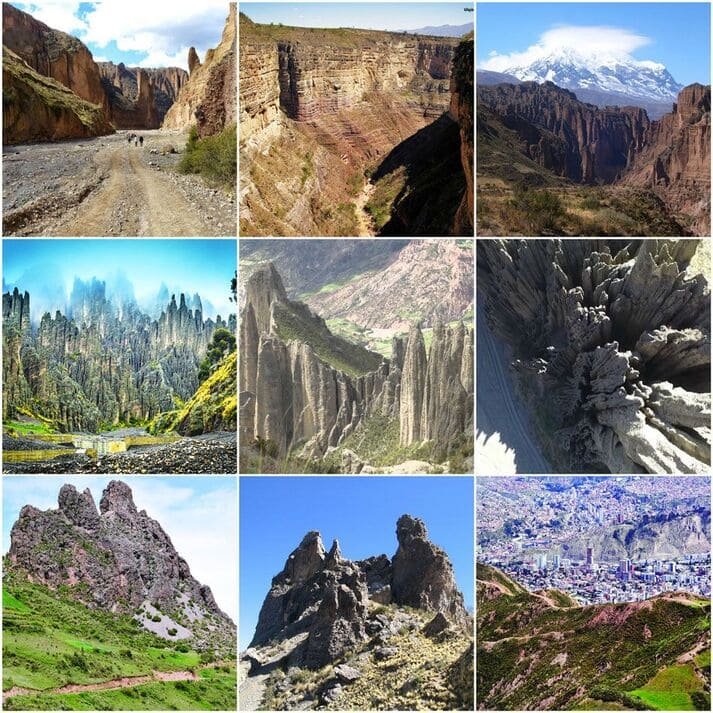
South of La Paz lies one of Bolivia’s most dramatic and least-touristed landscapes. The Valle de las Ánimas (Valley of the Souls) presents a forest of jagged clay spires that locals believed to be petrified souls. Further south, Palca Canyon opens to reveal wind-carved rock towering above, with the 6,438m snow peak of Illimani as backdrop. The tour ends at Muela del Diablo, a volcanic outcrop with panoramic views across the valley. Box lunch and all entries included.
03
Cultural – Sailing – Iconic
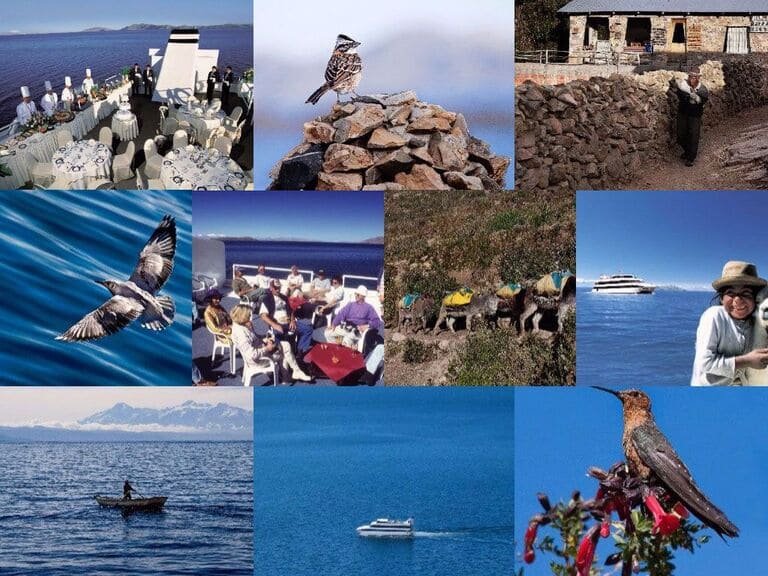
Explore the world’s highest navigable lake aboard a comfortable Catamaran Cruise Ship with lake-view cabins, private bathrooms, and buffet meals. Located at 3,812 metres on the Bolivia-Peru border, Lake Titicaca is sacred in Andean cosmology as the mythological birthplace of the sun and the Inca people. The 2-day tour visits Isla del Sol, the Challapampa Village, Incan temples, and the Pilkokaina Inca Palace. A traditional reed boat sailing experience is included.
04
Birdwatching – Wildlife – Cloud Forest
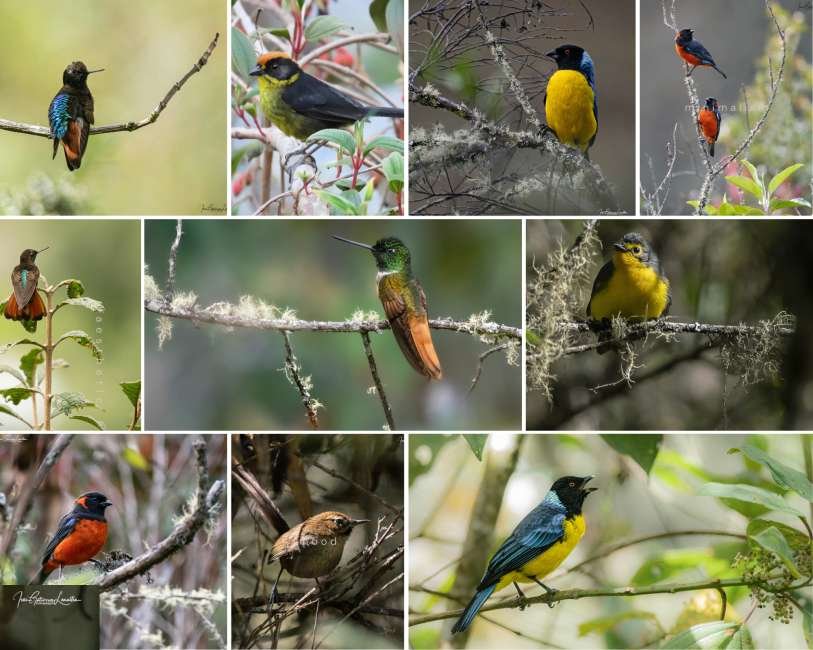
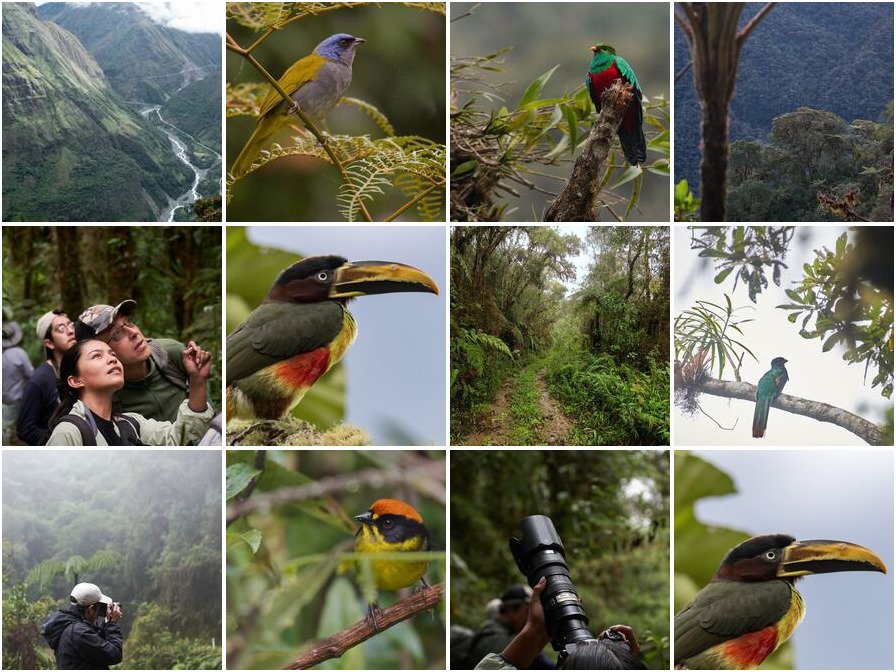
A few hours from La Paz, the Jukumari Lodge sits in pristine Yungas cloud forest holding 6 of Bolivia’s 18 endemic bird species — making it one of the most productive single-site birding destinations in the country. Target species include the Bolivian Antpitta, Scaled Metaltail, Hooded Mountain Toucan, and multiple endemic tanagers and finches. Wildlife watchers also have a moderate chance of encountering the Andean Bear. Available as day trips or multi-night lodge stays with comfortable accommodation and full meal service.
05
Cultural- Package – Families
This 3-day package covers the essential highlights of the La Paz region — all logistics included. Day 1 combines Valle de la Luna, the Teleférico, the Witches’ Market, and the colonial centre before heading to Copacabana. Day 2 is an extraordinary boat trip to Isla de la Luna and Isla del Sol with Inca ruins, community visits and traditional food, overnight at a lakeside eco-lodge. Day 3 visits Tiwanaku — Bolivia’s most significant pre-Incan archaeological site — with expert interpretation before returning to La Paz. Ideal for families, couples, and first-time visitors.
06
Cultural- Package – Families
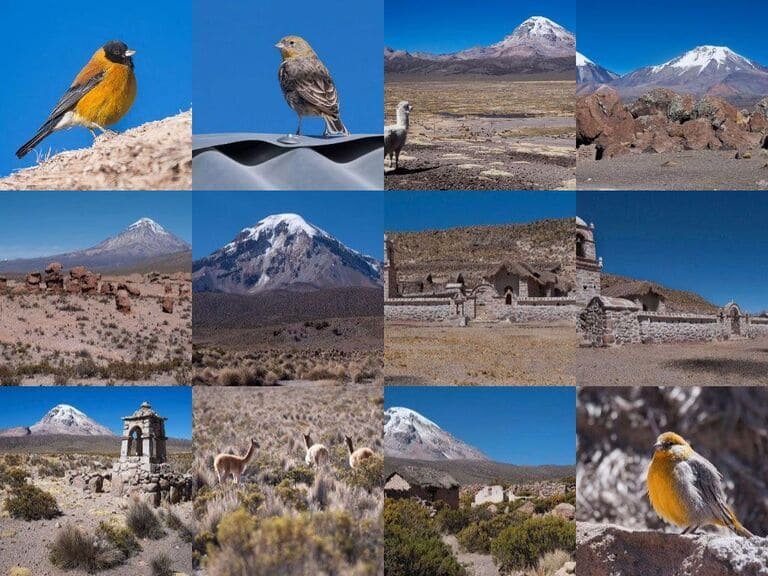
Bolivia’s oldest national park (est. 1939) preserves the volcanic landscape surrounding Nevado Sajama at 6,542 metres — the highest peak in Bolivia. This 3-day private 4WD expedition crosses the Altiplano to visit Laguna Huayña Khota with resident flamingo flocks, hike through the world’s highest Queñua dwarf forest at 5,000m to Sajama’s base camp, soak in natural hot springs with volcano views, and explore a spectacular geyser field on the final morning. The route passes the 16th-century Carahuara de Carangas chapel and offers reliable sightings of Vicuña, Andean Fox, and Lesser Rhea.
07
birdwatching – wildlife – high andes to yungas
A private full-day descent through the spectacular Zongo Valley, dropping from roughly 4,600 metres above La Paz through high-Andean puna, glacial lagoons and Andean valleys down into lush Yungas cloud forest. The dramatic change in elevation means birders search completely different habitats in a single day — from Laguna Viscachani‘s high-altitude waterbirds to hummingbirds, tanagers, flycatchers and spinetails lower down, with a real chance at the endemic Black-hooded Sunbeam and the localised Inti Tanager.
Many travellers combine La Paz tours with the Uyuni Salt Flats (via Sajama or direct), Toro Toro National Park via Cochabamba, or extend into the Amazon via Rurrenabaque and Madidi National Park. La Paz is Bolivia’s best-connected hub — flights, buses, and private transfers reach every corner of the country. Nick’s team plans seamless multi-destination Bolivia itineraries tailored to your dates, interests, and fitness level.
La Paz is Bolivia's seat of government and one of the highest capital cities in the world, sitting at 3,640 metres above sea level in a spectacular Andean canyon. It is famous for its extraordinary geography — the city cascades down steep hillsides with snow-capped peaks as a backdrop — as well as its vibrant indigenous culture, the Witches' Market (Mercado de las Brujas), the Mi Teleférico cable car network (the world's longest urban cable car system), and its role as the main gateway to Tiwanaku ruins, Lake Titicaca, Sajama National Park, and the Yungas cloud forests. Few cities on earth offer the combination of cultural depth, natural drama, and logistical access to world-class experiences that La Paz does.
La Paz is a year-round destination. The dry season (May to October) offers the clearest skies, the best conditions for day trips to surrounding landscapes, and the most reliable road access to Sajama National Park and the Valle de las Ánimas. The rainy season (November to March) brings lush green landscapes and more dramatic skies for photography, though some dirt roads become difficult. The city itself — its markets, museums, Teleférico, and historic centre — is accessible and enjoyable at any time of year. Altitude acclimatisation (1–2 days of rest) is recommended for all visitors upon arrival before undertaking physically demanding activities.
Our team replies within a few hours. We also speak Spanish and English.