Overview
La Paz is like no other city on Earth. Perched at 3,600 metres in a canyon carved into the Altiplano, it is the world’s highest administrative capital — a vertical city where colonial churches and Aymara markets coexist with glass-walled ministerial buildings and the world’s most elaborate cable car network. No standard bus tour does justice to this city. Our Alternative City Tour is designed to take you beyond the guidebook checklist and into the parts of La Paz that make it genuinely extraordinary.
The itinerary is deliberately flexible — Nick’s Adventures Bolivia has been guiding La Paz since the 1990s and the tour adapts to your interests, pace and time. Whether you want to spend two hours at the famous Witches’ Market learning about Aymara spiritual practices from our guide, or you want to skip the Witches’ Market and spend that time riding every line of the Teleférico for a full aerial tour of the city at different altitudes, we make it happen. Private vehicle, public transport, or walking tour — your choice.
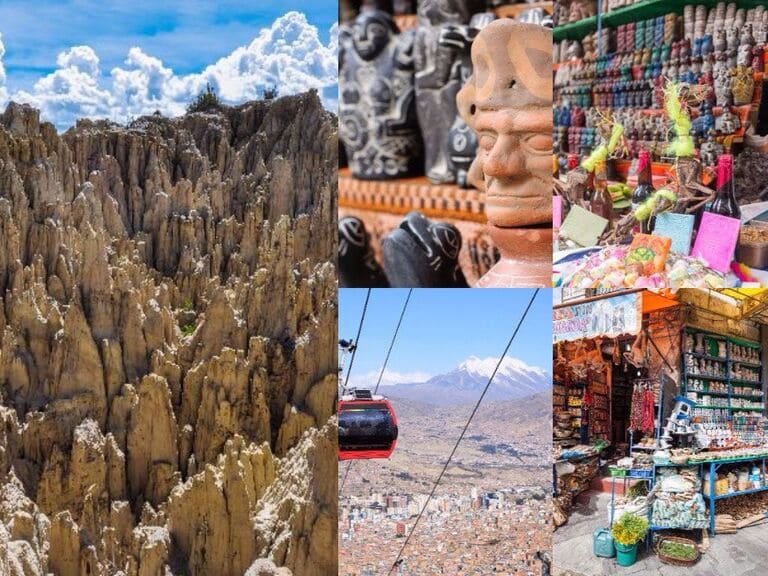
The city’s key sights — Plaza Murillo, the Jaén colonial street, the Valle de la Luna, the Witches’ Market (Mercado de las Brujas), the San Francisco Church, the Mirador Killi Killi viewpoint, and the Teleférico — are all available as individual stops or combined in a full-day programme. Local street food tasting is available at any of the city’s famous markets. The guide speaks English and Spanish and offers cultural context that no independent visit can replicate.
Destination Type
tour options
price includes
price excludes
Hotel pickup and departure through the southern zone of La Paz — the city’s wealthiest district, where tree-lined avenues and large residential properties give way to the dramatic canyon landscape. First stop: the Valle de la Luna, the extraordinary eroded clay formations just 10 km from the city centre. The guide explains the geological and cultural history of this landscape before returning to the city.
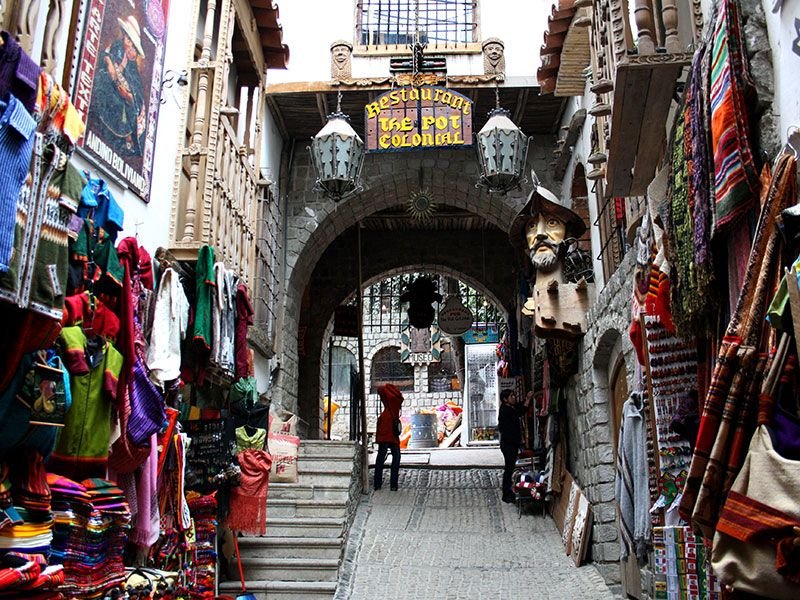
The colonial centre: Plaza Murillo (the political heart of Bolivia, surrounded by the Government Palace, the Cathedral, and the National Congress), the Calle Jaén — the best-preserved colonial street in La Paz, lined with 18th-century buildings and home to several small museums — and the magnificent San Francisco Church with its intricate baroque-mestizo facade. The guide contextualises the city’s history from its Spanish colonial founding in 1548 through independence and the 19th-century political upheavals.
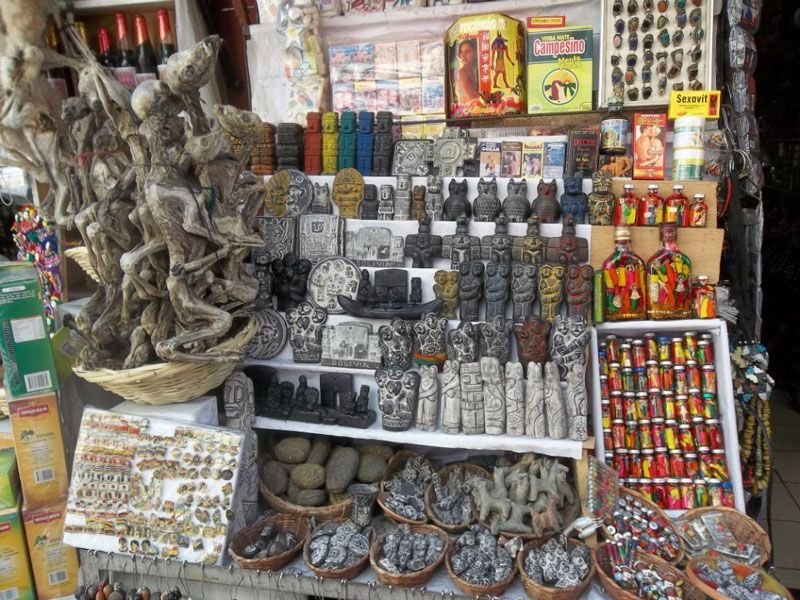
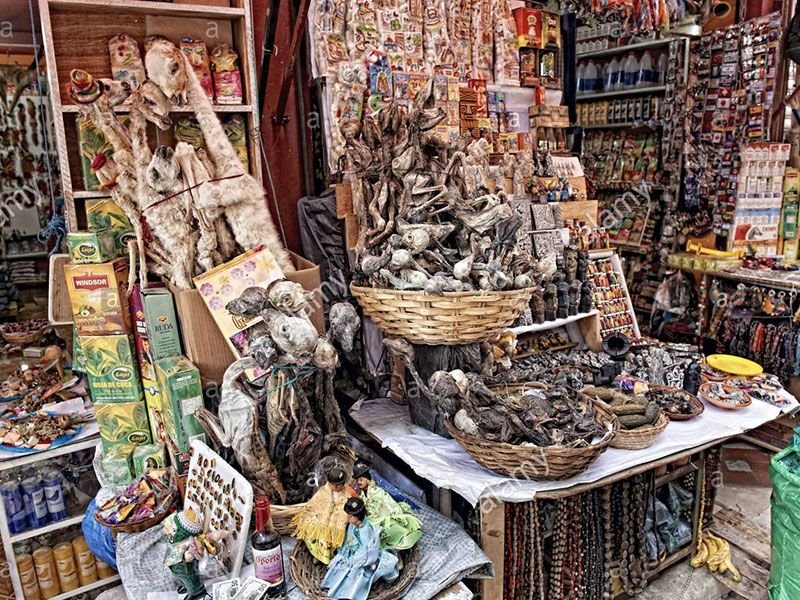
The Witches’ Market (Mercado de las Brujas) is one of the most genuinely fascinating markets in South America — a cluster of stalls on Calle Linares and Calle Melchor Jiménez run by yatiris (Aymara spiritual practitioners) and their families, selling dried llama foetuses (used in ceremonial building offerings), medicinal herbs, amulets, divination implements, and ritual items used in both Catholic and pre-Christian Andean spiritual practice. The guide provides detailed cultural context and can arrange brief conversations with some of the vendors. A walk through the adjacent fresh markets follows, with the opportunity to taste local street food — salteñas, tucumanas, fresh fruit juices, and local breads.
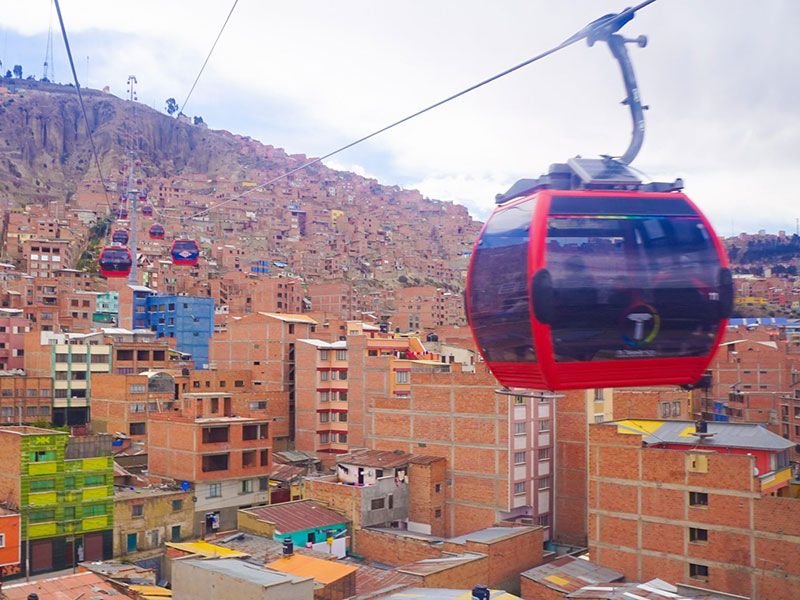
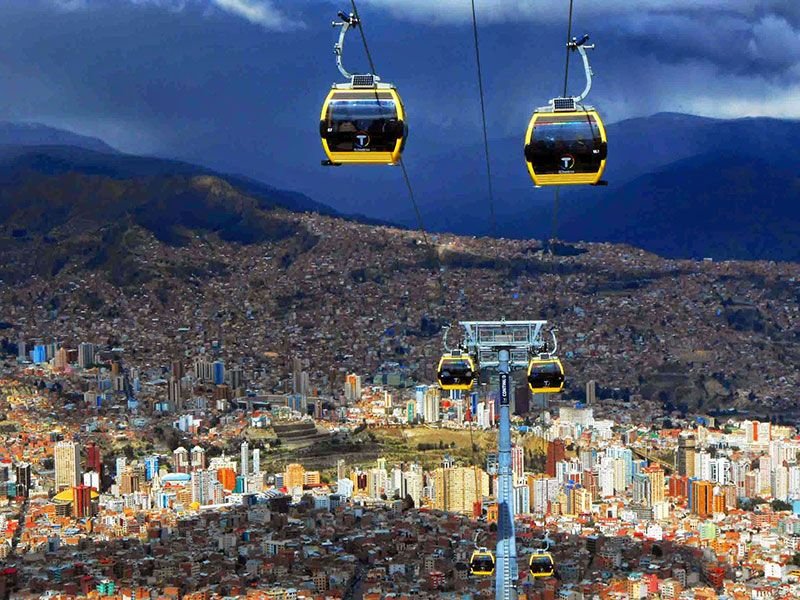
After lunch, the afternoon begins with the Teleférico — Bolivia’s most extraordinary piece of public transport. The cable car network connects La Paz with El Alto via 11 colour-coded lines running at heights of up to 4,000 metres, with views that encompass the entire canyon. The guide selects the most scenic combination of lines for the available time, providing a continuous aerial perspective on the city’s social geography from above.
The Mirador Killi Killi is the most popular viewpoint in La Paz, perched on the canyon’s eastern rim with a sweeping panorama of the city, the surrounding Cordillera Real — including Illimani (6,438 m) and Huayna Potosí (6,088 m) — and the flat plateau of El Alto above. The view is at its best in the late afternoon light. A brief visit to the city of El Alto rounds out the itinerary — this city of over one million people, sitting at 4,050 metres above sea level, is one of the fastest-growing and most politically significant urban centres in Bolivia and offers a very different perspective from the colonial centre below. Return to hotel.
Our team replies within a few hours. We also speak Spanish and English.