
Pink Dolphins · Black Caimans · Jungle Treks · Night Spotlighting · 15 km from Trinidad
About This Experience
Positioned just 15 kilometres from Trinidad — the capital of the Beni Department — the Chuchini Private Reserve is one of Bolivia’s best-kept wildlife secrets. While the more famous Pampas tours from Rurrenabaque draw large crowds of backpackers, Chuchini offers the same remarkable biodiversity in a quieter, more intimate setting where small groups move through pristine Amazonian and pampas ecosystems at their own pace.
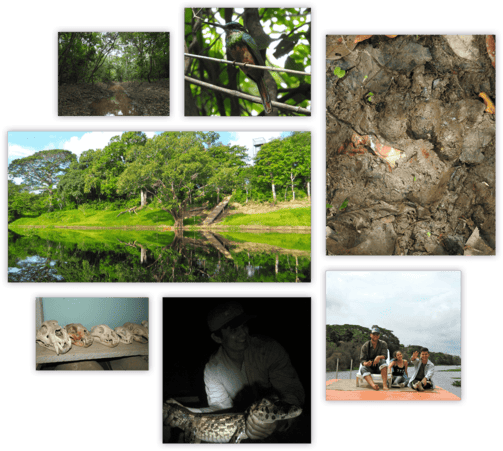
The reserve has become a natural refuge for wildlife as deforestation intensifies across the broader Beni landscape. Its protected forests and wetlands shelter Jaguars, Anacondas, Tapirs, Pumas, multiple monkey species, a spectacular variety of birds, and — most memorably — the Bolivian Pink River Dolphin (Inia geoffrensis boliviensis), observed frequently during boat excursions on the Mamoré River system. The reserve is also home to a private Archaeological Museum containing Moxos cultural artefacts discovered within its boundaries.
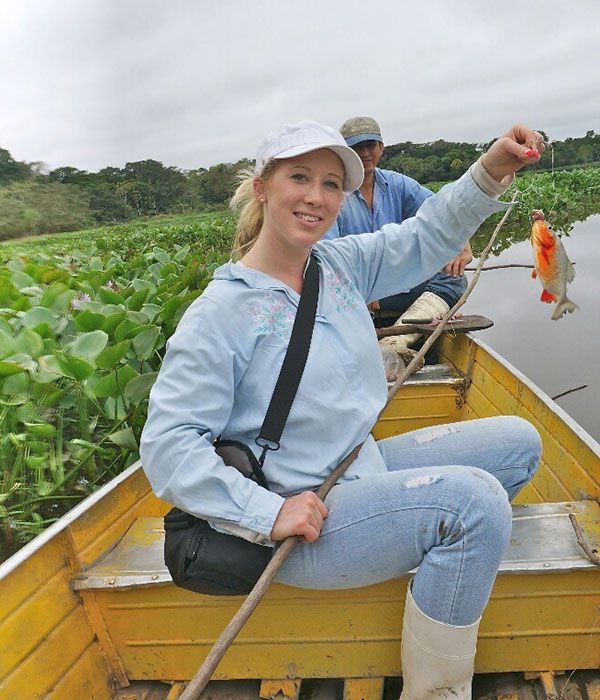
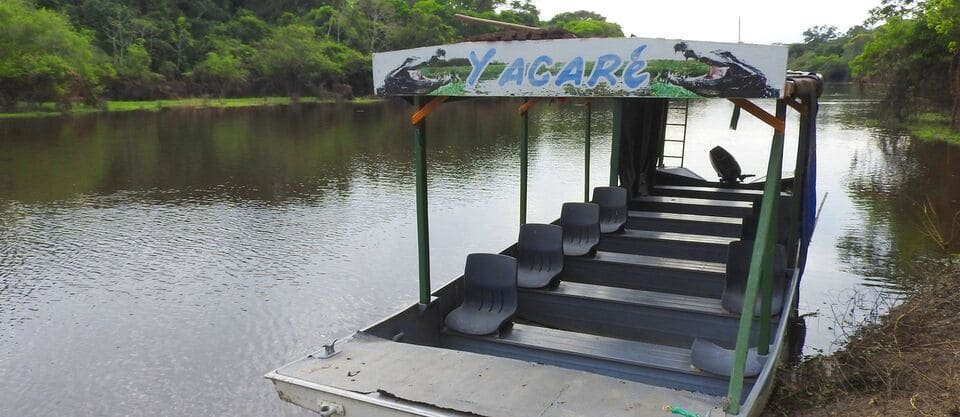
The programme combines boat safaris along gallery forest rivers, guided jungle treks into pristine Amazonian forest, Piranha fishing, caiman spotlighting at night, and a memorable morning on the Mamoré River — one of Bolivia’s great Amazonian waterways — searching for the endemic Pink Dolphin in its natural river habitat. A comfortable lodge with basic but well-maintained facilities provides a restful base after full days in the field.
Destination Type
Departure time
price includes
price excludes
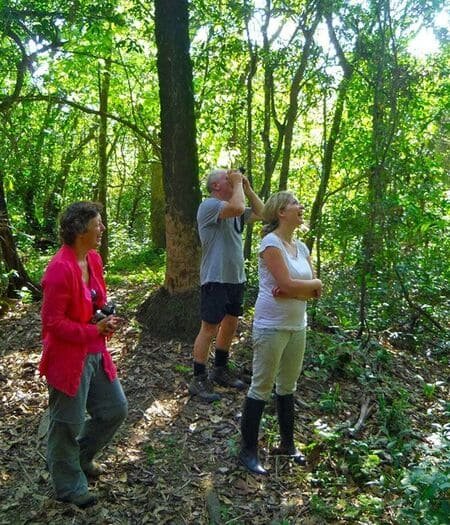
Hotel pick-up in Trinidad and departure for the Chuchini Reserve — a short drive that itself passes through productive wildlife habitat. Jaguars have been spotted on the approach road, and the birdlife is outstanding from the very start. Upon arrival at the reserve, guests receive an orientation briefing before the first guided trek into pristine Amazonian rainforest. The primary targets are the reserve’s resident wildlife and the spectacular forest scenery — large trees, lianas, and a forest floor teeming with insects, reptiles, and amphibians.
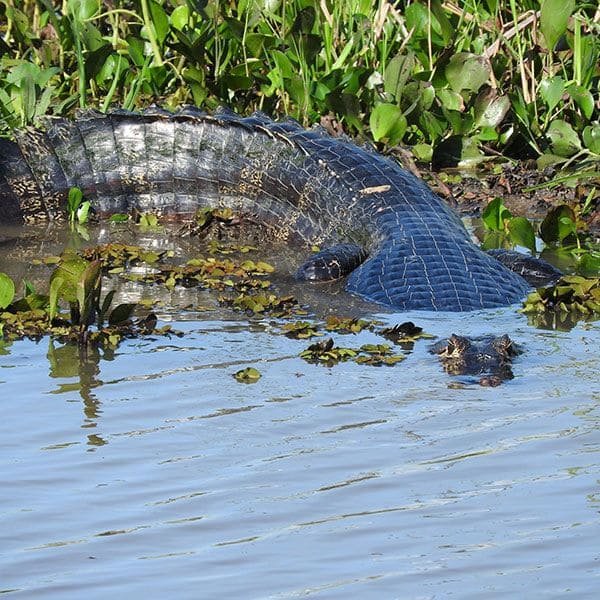
After a freshly cooked lunch with fruit juice, the afternoon programme moves to one of the reserve’s most extraordinary features: the floating islands and Laguna Media Luna — a crescent-shaped oxbow lake teeming with Black Caimans, waterbirds, and the kind of Amazonian atmosphere that makes this destination unforgettable. Piranha fishing in the lagoon and caiman observation from the boat round out the afternoon. Dinner at the lodge is followed by an optional guided night trek for guests who want to extend the wildlife experience into the hours of darkness.
After breakfast, a 3–4 hour guided trek to Laguna Ozuni — one of the most biodiverse areas within the reserve. The route passes through a variety of habitat types, and the guide interprets the reserve’s extraordinary array of medicinal plants alongside wildlife encounters. Camera traps positioned throughout the reserve are checked and reset along the way; photographs of Jaguars, Pumas, Tapirs, and large cats taken on previous nights are a regular and exciting revelation. Peccary herds are common along this route, as are numerous primate species.
After lunch and a free period to relax in the hammocks or observe the Macaw flocks that gather near the river in the heat of the afternoon, the programme continues with a boat trip along one of the reserve’s river corridors — excellent for caimans, herons, kingfishers, and a wide array of forest-edge wildlife. At 17:00 the group visits the reserve’s Archaeological Museum, housing a remarkable collection of Moxos artefacts — ceramics, skulls, and cultural objects recovered from the reserve and surrounding lands. After dinner, a dedicated night boat safari with spotlights searches the riverbanks for caimans and nocturnal mammals including Brazilian Porcupine and various owl species.
The final morning is devoted to a boat excursion on the Mamoré River — one of Bolivia’s major Amazonian tributaries and the core habitat of the endemic Bolivian Pink River Dolphin. Groups of dolphins are regularly encountered here, surfacing alongside the boat in the open river. The Mamoré corridor also provides extraordinary birdwatching and the opportunity to observe river-edge villages and traditional fishing communities in their natural setting. A picnic lunch is served on the river before the return to Chuchini.
In the early afternoon the group departs for Trinidad (by 4WD or boat depending on season), with a stop at the Lomas Suárez — ancient geological formations along the riverbank where Moxos artefacts including ceramics and tools are frequently exposed on the sand. Return to Trinidad by approximately 15:30, with drop-off at hotel or airport.
Our team replies within a few hours. We also speak Spanish and English.