
400+ Bird Species · 9 Owl Species · Military Macaws · Endemic Species · Night Walks · 3-Hour Boat from Rurrenabaque
Overview
Sadiri Lodge is one of Bolivia’s most celebrated birdwatching destinations, positioned within the territory of the San José de Uchupiamonas Indigenous Community and fully inside the Madidi Integrated Management Natural Area and Madidi National Park. Perched at the edge of primary Amazonian rainforest, Sadiri is the closest dedicated birding lodge to the extraordinary avian diversity that has made Madidi a landmark destination for ornithologists and wildlife photographers worldwide.
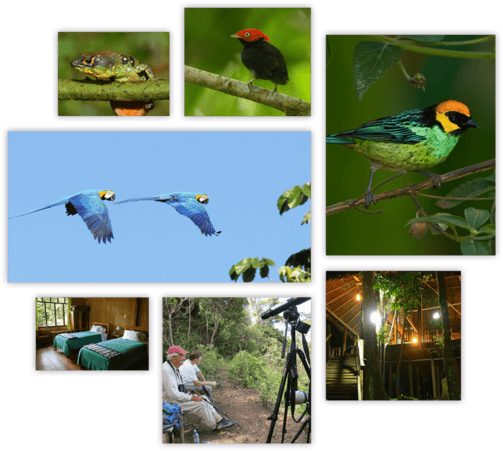
The reserve surrounding the lodge covers over 34,000 hectares of protected habitat spanning cloud forest transition zones, primary lowland rainforest, and river gallery forest — a mosaic of ecosystems that explains the staggering species richness. Over 400 species of birds have been recorded in the lodge’s trail network, including 9 species of owls, Military Macaws, Tanagers, and the rare Yungas Tyrannulet — a Bolivian endemic that draws dedicated birders from across the globe.
The lodge’s 25 kilometres of walking trails wind through habitat that changes character with every hour of the day. Dawn brings multi-species canopy flocks and the churring of antbirds; midday reveals mixed-species feeding frenzies at fruiting trees; dusk opens into the extraordinary owl diversity that has become Sadiri’s signature. Nights at the lodge offer spotlighting walks where the trail becomes a window into an entirely nocturnal world — tree frogs, arboreal mammals, and the silent wing-beats of species rarely photographed in the field.
All activities are led by expert bilingual local guides from the San José de Uchupiamonas community, whose generational knowledge of the forest transforms each walk into a layered encounter with the ecological and cultural history of one of Earth’s most biodiverse places.
Sadiri Lodge is operated by the San José de Uchupiamonas Indigenous Community. Visiting directly supports the community’s economic autonomy and the long-term conservation of their ancestral territory inside Madidi National Park.
Departure from Rurrenabaque by motorised longboat along the Beni River — a 3-hour upstream journey into the heart of the Madidi watershed. The river passage itself is a first encounter with the extraordinary avian richness of the region: Kingfishers, Herons, Cormorants, and Sunbittern are regularly spotted from the boat as the forest closes in and the Andean foothills give way to true lowland rainforest. On arrival, guests are welcomed by lodge staff, settled into their cabins, and taken on a short introductory birding walk along the trails closest to the lodge. The guide calibrates the programme to the group’s target species and experience level. Dinner at the lodge.
After dinner: first night spotlighting walk. The trail network at night reveals a completely different fauna. Led by a community guide who navigates the forest as confidently by ear as by sight, the group searches for roosting birds, tree frogs calling from the understorey, and the eyeshine of Pacas, Kinkajous, and — if fortune allows — a hunting Spectacled Owl perched at eye level above the path.
An alarm-clock dawn chorus begins the full birding day. The two hours before and after sunrise represent the most acoustically rich window in the Amazonian calendar — the Tacana-descended community guides have been reading this forest since childhood, and their capacity to locate and identify species by call alone transforms a morning walk into a masterclass in tropical ornithology.
The morning is dedicated to the longer trail sections, targeting the lodge’s signature species: Military Macaws at their clay lick, Yungas Tyrannulet in the upper cloud-forest ecotone, Harpy Eagle soaring above the canopy, and the nine owl species that make Sadiri unique on the continent. Jacamars, Puffbirds, Trogons, and a staggering variety of Tanagers fill the gaps between target sightings.
The afternoon offers a change of pace — guided walks through the botanical zones of the trail network, with emphasis on medicinal plants, forest ecology, and the cultural significance of key species in the San José de Uchupiamonas oral tradition. A second dedicated nocturnal survey after dinner focuses on completing the owl list — the lodge’s guides have recorded all 9 species within a single night on multiple occasions.
A final early-morning walk on one of the quieter trail sections — often the most productive for shy understorey species that avoid the more trafficked routes earlier in the trip. The guide focuses on completing the group’s target list and documenting any new species added since arrival. After breakfast and check-out, the downstream boat return to Rurrenabaque takes approximately 2 hours, arriving in the early afternoon.
Guests choosing the 4-night “Pacha Mama” or 5-night “S’Hadiri” programmes enjoy additional full days with access to the outer trail network sections, extended dawn surveys, repeat nocturnal owl walks, and the opportunity to build a trip list exceeding 150 species.

Our team replies within a few hours. We also speak Spanish and English.
Sadiri Lodge is the only dedicated birding lodge positioned within the 34,000-hectare reserve controlled by the San José de Uchupiamonas community inside Madidi National Park. Its primary focus on ornithology — particularly the lodge's 9 owl species, Military Macaw clay lick, and Yungas Tyrannulet habitat — gives it a profile unmatched by generalist wildlife lodges. The combination of trail diversity, expert community guides, and access to multiple forest types within walking distance of the cabins produces trip lists that regularly exceed 100–150 species in three to five days.
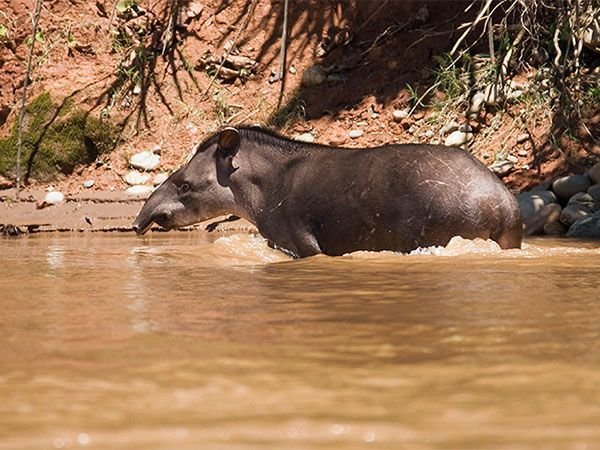
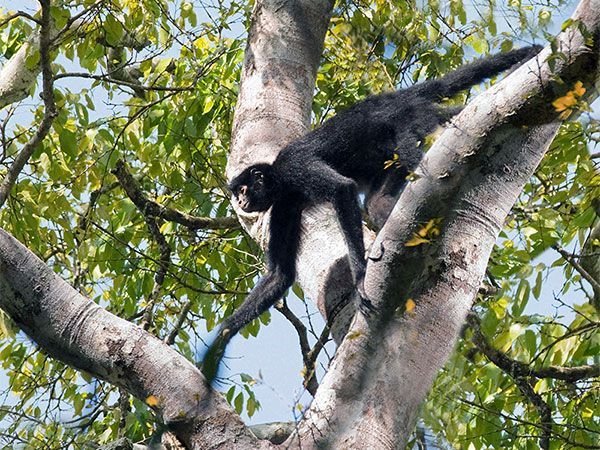
The reserve's 400+ recorded species include 9 owl species (notably Spectacled, Black-and-white, and Tawny-bellied Screech-Owl), Military Macaws, the endemic Yungas Tyrannulet, Harpy Eagle, Sunbittern, multiple Trogon species, Jacamars, Puffbirds, and an exceptional diversity of Tanagers and antbirds. Mammals such as Howler Monkeys, Tapir, Paca, and Kinkajou are regularly encountered on night walks. Guides tailor each day to the group's target species.
What is the best time of year to visit Toro Toro?Can I combine Cochabamba with Uyuni or other Bolivia destinations?How do I get from La Paz or Santa Cruz to Cochabamba?Is the Toro Toro tour physically demanding?The dry season — May through November — offers the most comfortable trail conditions and the highest probability of recording the lodge's full owl suite and dry-season specialities. Birdwatching is productive year-round; the wet season (December–April) brings exceptional amphibian activity and spectacular forest regeneration, though some trail sections may be affected by high water. November is considered the optimal month by many visiting ornithologists.
Rurrenabaque is served by daily 30-minute flights from La Paz (Amaszonas). The overland alternative is a long-distance bus from La Paz (approximately 18–20 hours on a mountain road). Most guests fly both ways. Nick's team assists with flight reservations, logistics coordination, and accommodation in Rurrenabaque.
Yes. While the lodge's primary reputation is built on birding, the forest walks, night spotlighting, and rich wildlife encounters make it an outstanding experience for any nature traveller. The trail network includes gentle options suitable for varied fitness levels and for families with children (minimum recommended age: 8 years). Guides adjust the pace and focus for groups with mixed interests.
Sadiri Lodge pairs naturally with the Bolivian Pampas Wildlife Safari — a contrasting open-water ecosystem that adds Anaconda, Black Caiman, Pink River Dolphins, and Capybara to the experience. It can also be combined with the Madidi Chalalan Ecolodge tour for a comprehensive multi-lodge Amazonian itinerary. Nick's team coordinates full multi-destination logistics.
All three programmes follow the same daily structure of dawn birding walks, afternoon forest ecology excursions, and nocturnal surveys. The 3-day Sambu programme covers the core trail network closest to the lodge. The 4-day Pacha Mama adds access to outer trail sections and a repeat full-night owl survey. The 5-day S'Hadiri programme is the deepest immersion — recommended for serious birders targeting species lists above 150 and maximising the chance of recording all 9 owl species. Nick's team recommends programme length based on target species and group experience level.
Yes. Sadiri Lodge is operated directly by the San José de Uchupiamonas Indigenous Community within their ancestral territory inside Madidi National Park. The guides are community members whose knowledge of the forest is generational. Every visit contributes directly to the community's economic autonomy and the long-term conservation of their traditional land.