Overview
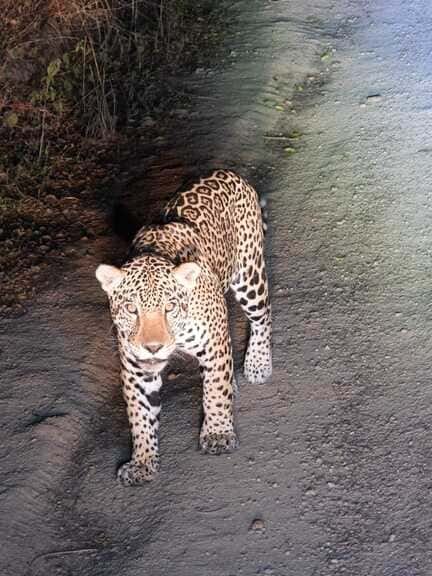
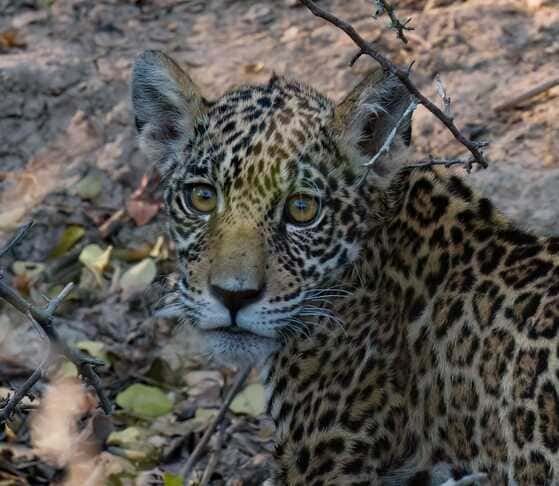
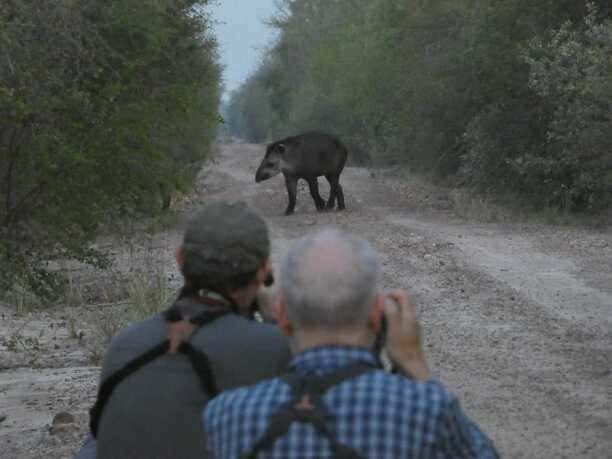
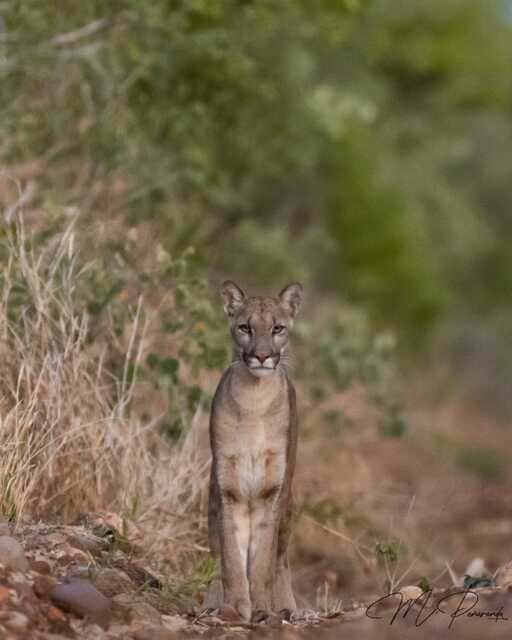
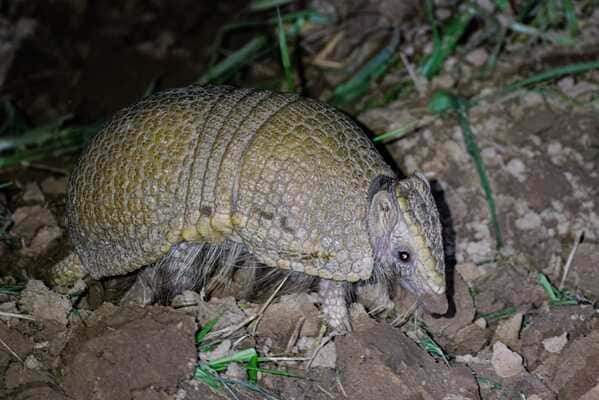
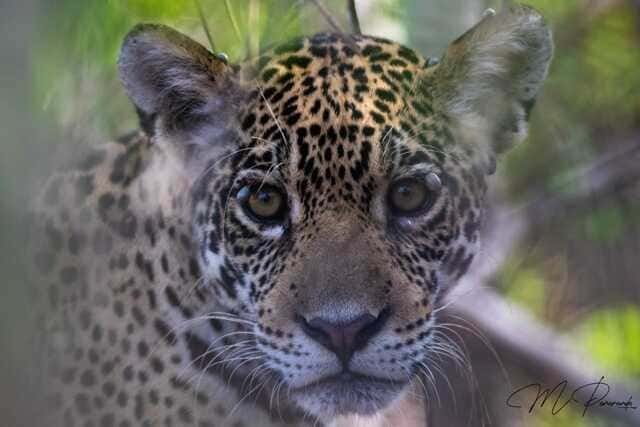
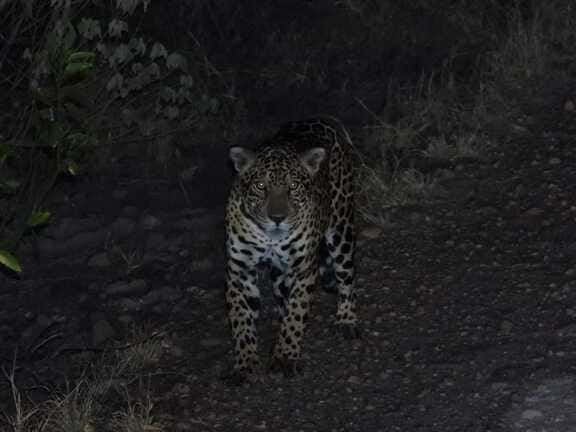
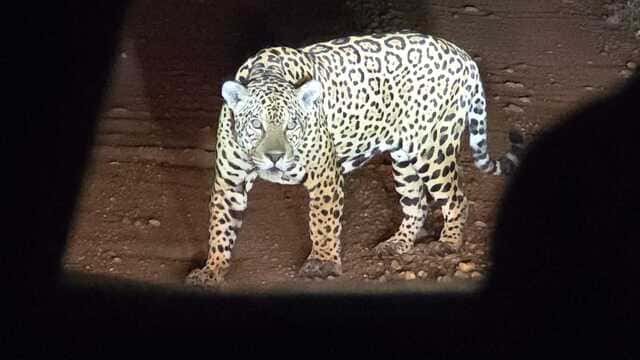
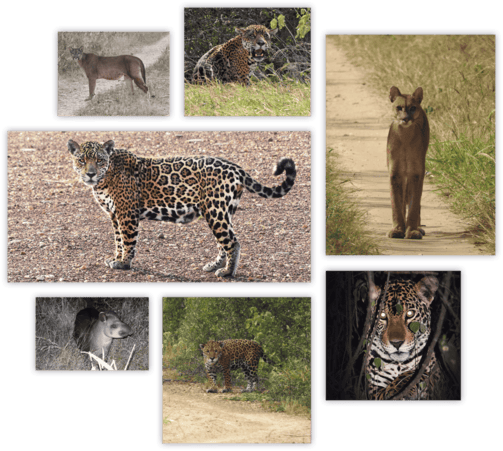
For wildlife enthusiasts hoping to encounter Jaguar, Puma or Tapir in the wild, Kaa Iya National Park is one of Bolivia’s best opportunities. This expedition takes travellers deep into the internationally recognised yet rarely-visited park, in search of the elusive Jaguar, Tapir and Puma across the heart of the Bolivian Chaco.
The trip combines evening, morning and night spotlighting drives by 4WD, setting up and checking camera traps, bush hikes, birdwatching and time at remote lagoons with viewing platforms. Guides are highly experienced in this remote region and work around the clock to give travellers the best possible chance of observing the park’s big mammals and birdlife.
What sets this tour apart is its focus on small groups — keeping the experience comfortable, minimising impact on wildlife and the environment, and maximising time in the field with expert local guides. The standard itinerary runs 4 days/3 nights and can be extended to 5 days on request.
This tour is best suited to serious mammal watchers, wildlife photographers, birders, naturalists and adventurous travelers who understand that rare wildlife requires patience, time, flexibility and realistic expectations. It is not recommended for children under 12 or large groups.
About the park
Kaa Iya National Park, officially known as Kaa-Iya del Gran Chaco National Park, is one of the wildest and least-visited protected areas in South America. Located in the remote south-east of Bolivia, this enormous park protects more than 3.4 million hectares of Gran Chaco dry forest, thorn scrub, savanna, wetlands and remote wilderness.
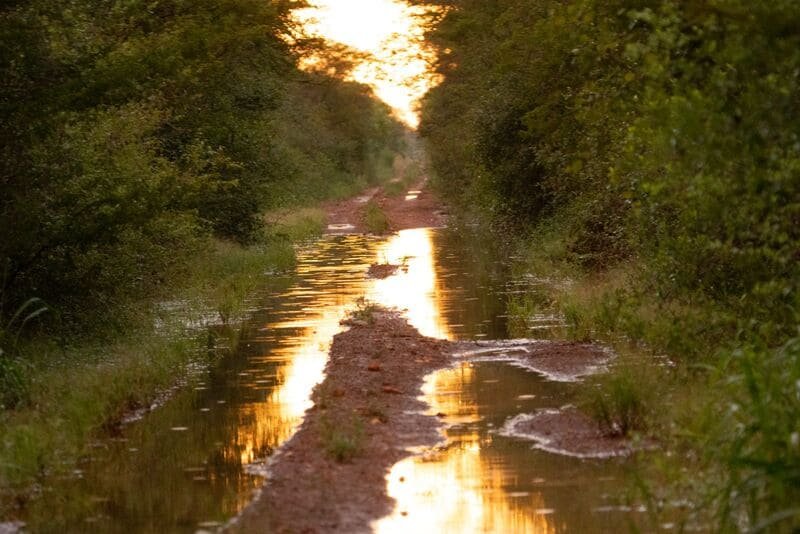
This is one of Bolivia’s most important wildlife destinations, but it is not a regular tourist safari. Kaa Iya is hot, remote, dusty, harsh and very basic. It is not tropical rainforest, and wildlife sightings are not constant. There can be long periods — sometimes many hours — without seeing mammals. Most wildlife watching is done along remote roads, open areas, water sources and forest edges.
For the right traveler, this is exactly what makes Kaa Iya special. It is a true wilderness expedition into one of South America’s last great dry-forest landscapes. For the wrong traveler, it can feel difficult, slow and uncomfortable.
Over 3.4 million hectares of Gran Chaco dry forest, thorn scrub, savanna and wetlands — Bolivia's largest national park.
Over 3.4 million hectares of Gran Chaco dry forest, thorn scrub, savanna and wetlands — Bolivia's largest national park.
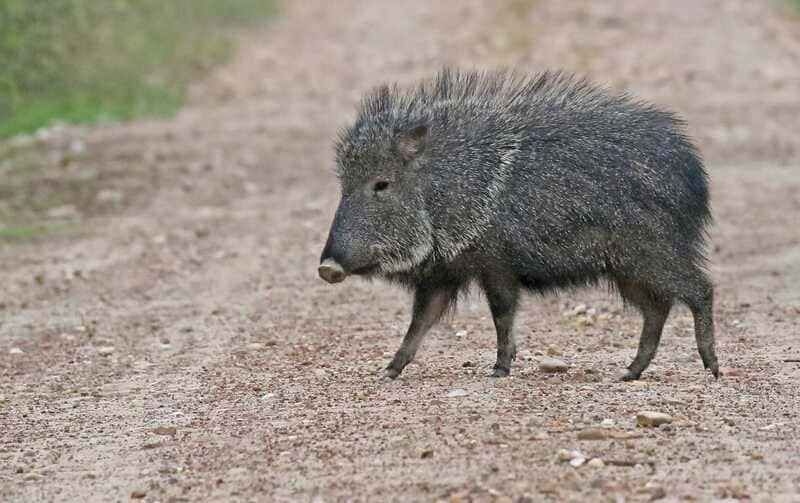
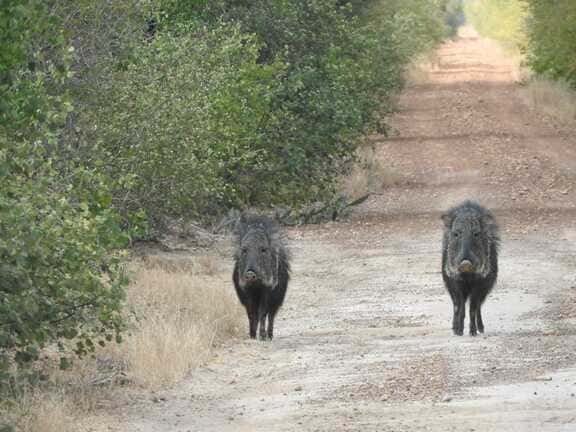
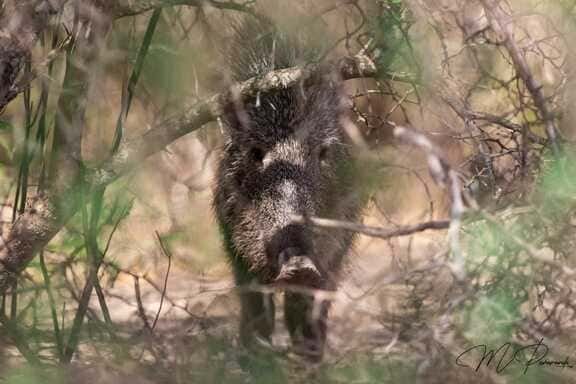
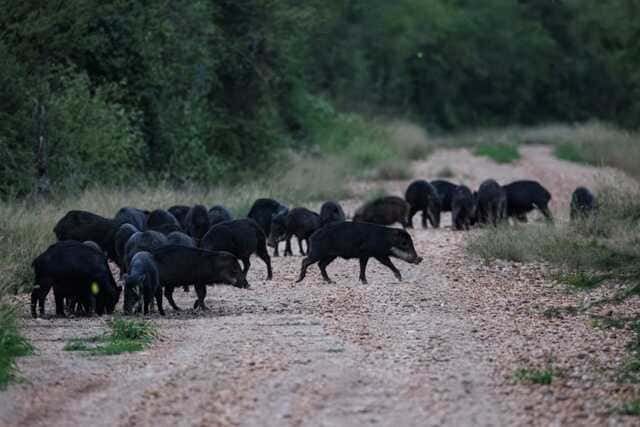
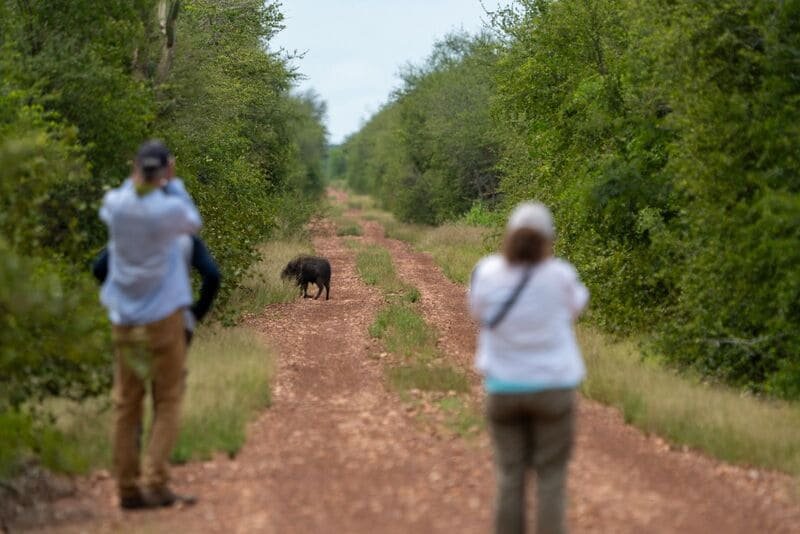
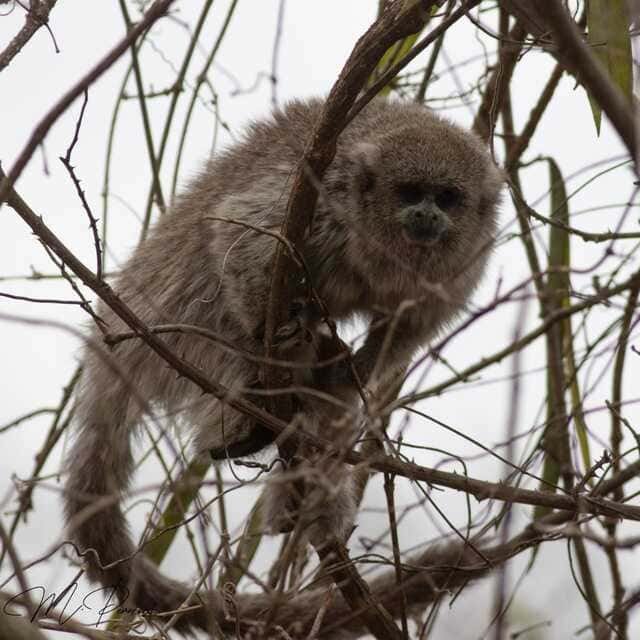
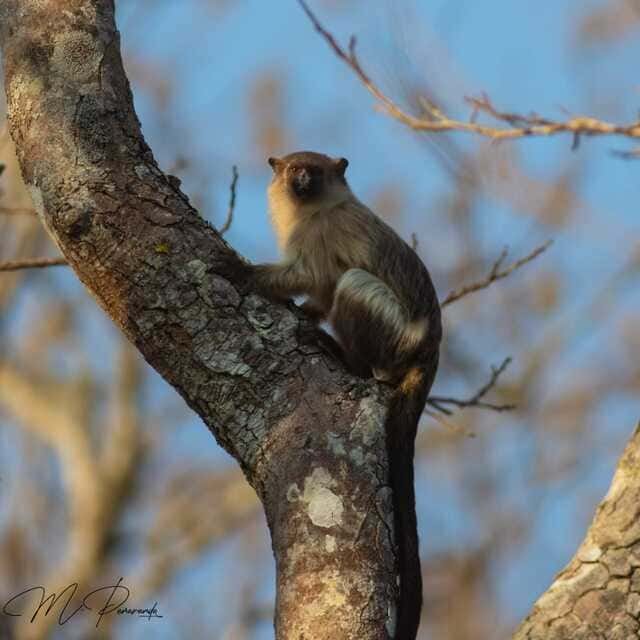
One of the only places in the world with realistic chances of seeing the rare Chacoan peccary (tagua), plus puma, tapir, giant anteater and more.
How we operate
Nick’s Adventures Bolivia specializes in remote wildlife tours, mammal watching, jaguar tracking, birdwatching and private nature expeditions in Bolivia. Kaa Iya is one of the most challenging destinations we operate, and we are very clear with guests before booking: this tour is not for everyone.
Conditions are basic. Temperatures can be extreme. Drives are long. Roads can be rough. Accommodation is simple. Wildlife is unpredictable. Guests should be prepared for early starts, long days, night drives, dust, heat and flexible plans based on wildlife movement, weather and road conditions.
Our guides use local knowledge, tracking experience, road surveys, thermal imaging equipment and camera traps where possible to improve the chances of finding wildlife. These tools can be especially useful for nocturnal mammals and elusive species, but sightings remain wild, natural and never guaranteed.
Big cats
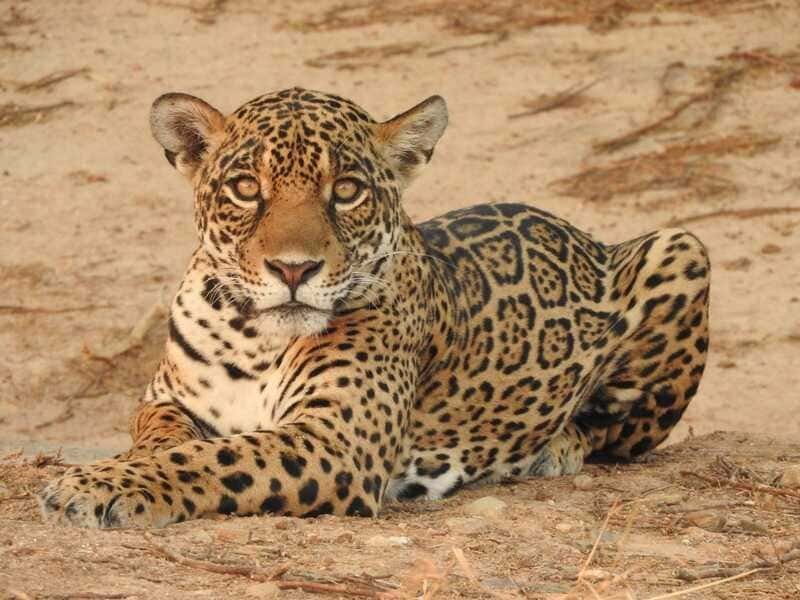
One of the most remarkable things about Kaa Iya is how wild the big cats are. Unlike more established jaguar tourism areas, the jaguars and pumas here are not habituated, baited or managed for tourism. These are completely wild animals living in a vast and remote dry-forest ecosystem.
Some individuals may have had very little contact with people, which can make their behavior fascinating to observe. They may disappear quickly, or, on rare occasions, appear surprisingly calm, curious or tolerant at a respectful distance.
When conditions are suitable and our guides judge it to be safe, there may occasionally be opportunities to observe jaguars or pumas on foot. This is never guaranteed and is always handled carefully, based on the behavior of the animal, terrain, visibility, group size and guide experience. Safety, respect and animal welfare always come first.
wildlife
Wildlife sightings are never guaranteed. Some tours produce excellent sightings, while others can be quiet. This is real wildlife watching in a huge and remote ecosystem, not a predictable safari.
The itinerary below gives the normal structure of the tour, but all trips are flexible. Wildlife movement, weather, road conditions, recent tracks, camera-trap information and park access can change the plan.
We begin with an early morning hotel pick-up in Santa Cruz de la Sierra and drive towards San José de Chiquitos, approximately 260 km from the city. Depending on timing, we may stop for lunch and a short visit to the historic Jesuit mission church.
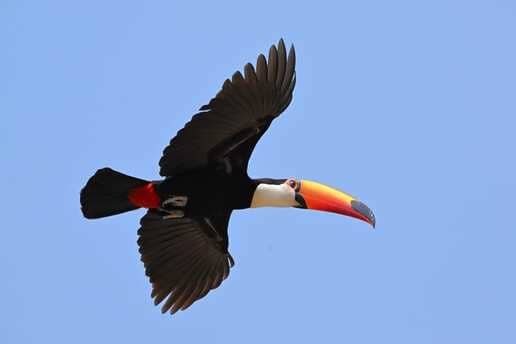
From San José, we continue off-road towards Kaa Iya National Park. This section already enters excellent wildlife country, so cameras and binoculars should be ready. Pumas, peccaries, toucans, foxes and even jaguars have been seen along these access roads, although sightings are never guaranteed.
After registering with the park rangers, we continue to the camp area. In the late afternoon, we begin our first wildlife search, looking for tracks, scat and signs of big cats, tapirs, peccaries and other mammals.
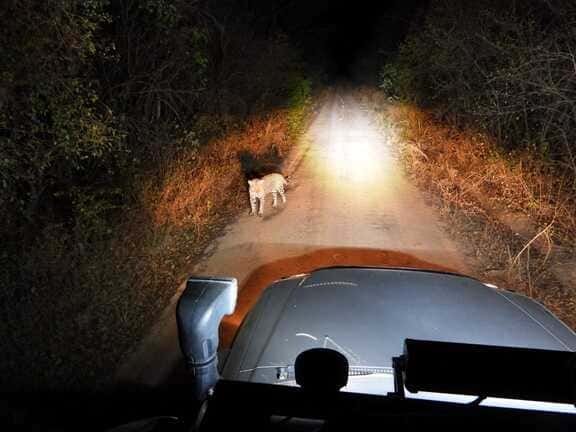
After dinner, we normally do a night drive or night walk using spotlights and thermal imaging equipment where possible.
🌙 Overnight: Basic accommodation/camp inside or near Kaa Iya National Park
We start very early to take advantage of the cooler hours when wildlife may be more active. The morning may include slow road surveys, checking tracks, scanning open areas, visiting water sources and setting or checking camera traps in strategic locations.
During the hottest part of the day, we usually rest at camp. Around camp, birdwatching can still be productive, with chances for Chaco birds, raptors, parrots, woodpeckers and other dry-forest species.
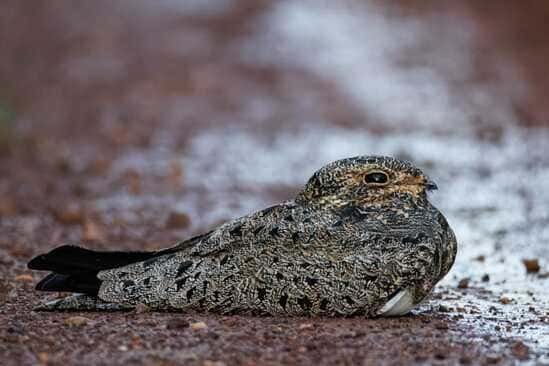
In the late afternoon, we head out again for another wildlife drive. The plan depends on recent signs, tracks, camera-trap results and road conditions. After dark, we continue searching for nocturnal mammals, reptiles, owls, nightjars and possibly big cats.
We leave early for a long wildlife drive along the pipeline route towards the Izozog area. This can be one of the most exciting parts of the expedition, but it requires patience. We travel slowly, stopping to scan, check tracks and search for mammals along the way.
This route has produced some of our best wildlife encounters over the years, including jaguar, puma, tapir, peccaries and other mammals. However, sightings depend on timing, season, water availability and luck.
After arriving in the Izozog area, we explore suitable habitat depending on conditions. We may check camera traps, walk open areas, scan near productive zones, or continue with road-based wildlife searches.
In the late afternoon and evening, we continue searching productive areas or begin the return route, depending on the plan. This may become another long evening and night drive.
On the final morning, we leave early for one last wildlife search as we begin the journey out of the park. The exit route still passes through excellent habitat, so the tour is not finished until we are fully out of the wildlife area.
We continue towards San José de Chiquitos for lunch, then return to Santa Cruz de la Sierra. Arrival is usually in the late afternoon or early evening, depending on road conditions, wildlife stops and travel time.
End of services.
Choosing your expedition
Kaa Iya is very different from the Pantanal and from Jaguarland Reserve. Understanding these differences helps you choose the right expedition for your goals.
| Feature | Kaa Iya National Park | Jaguarland Reserve | North Pantanal |
|---|---|---|---|
| Jaguar experience | Truly wild, non-habituated. Raw and unpredictable. | Higher accessibility. Better chance of variety in less time. | More established tourism. Many jaguars used to boats. |
| Difficulty level | High — remote, basic conditions, long drives | Moderate — more accessible wildlife | Lower — established infrastructure |
| Best for | Serious mammal watchers, photographers, adventurers | Travelers wanting higher chance of varied wildlife | First-time jaguar seekers |
| Rare species | Chacoan peccary, jaguarundi, tapir | Jaguar, giant anteater, capybara | Jaguar, giant river otter |
| Ecosystem | Gran Chaco dry forest | Bolivian wetlands & forest | Pantanal floodplain |
Jaguarland Reserve is usually the better choice for travelers wanting a more accessible wildlife experience with a higher chance of seeing a wider variety of animals in a shorter time. Kaa Iya is best for serious mammal watchers, photographers and adventurous travelers who want the challenge of the Gran Chaco.
Kaa Iya is a completely wild national park. We do not guarantee sightings of jaguar, puma, tapir, Chaco peccary or any other species. Our guides do everything possible to maximize your chances using experience, tracking, local knowledge, night drives, thermal imaging and camera traps where available, but wildlife sightings depend on many factors outside our control.
This is not a zoo, not a baited experience and not a habituated wildlife area. Every sighting is natural and earned through patience, time and field effort.
Occasionally, when conditions are suitable, it may be possible to observe jaguars or pumas on foot from a safe and respectful distance. This is never guaranteed and is always at the guide’s discretion.
Our team replies within a few hours. We also speak Spanish and English.
Yes, Kaa Iya is one of Bolivia's most important jaguar landscapes. However, it is enormous, remote and difficult, so jaguar sightings are never guaranteed. For easier jaguar watching, Jaguarland Reserve may be a better option. guaranteed jaguar-viewing destination.
No. Kaa Iya is completely wild. Some trips are very productive, while others can be quiet. Guests should join with realistic expectations.
Usually, no. Kaa Iya is best for serious wildlife travelers, photographers, mammal watchers, birders and adventurous guests who are comfortable with basic conditions, long drives and unpredictable wildlife.
Yes, where possible we use thermal imaging equipment, camera traps, tracking and local knowledge to improve our chances of detecting wildlife. These tools are especially useful for nocturnal mammals and elusive species.
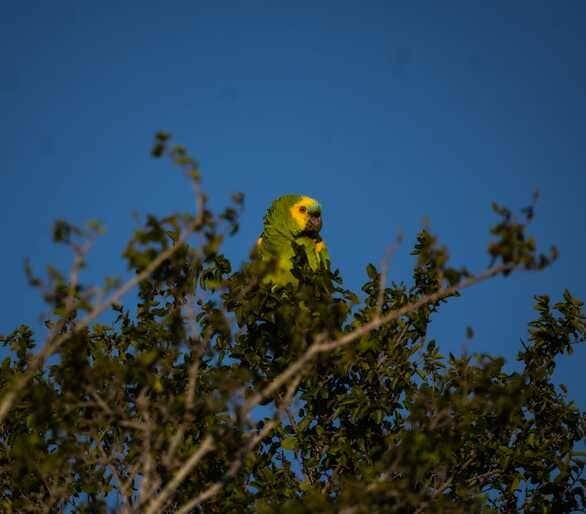
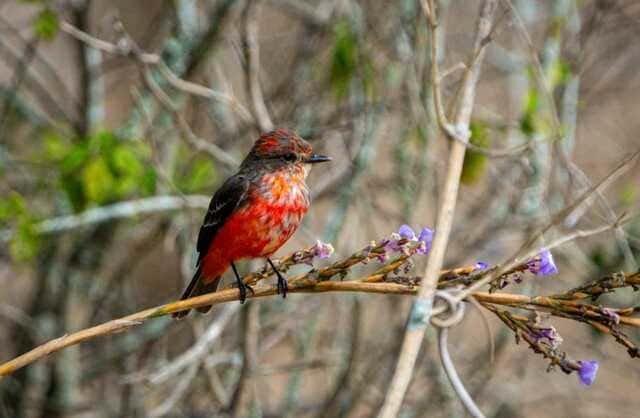
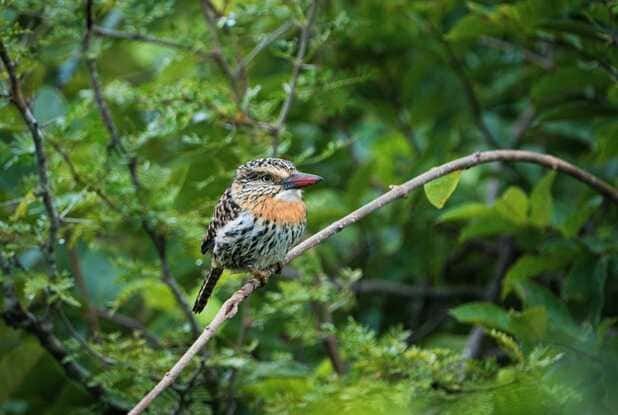
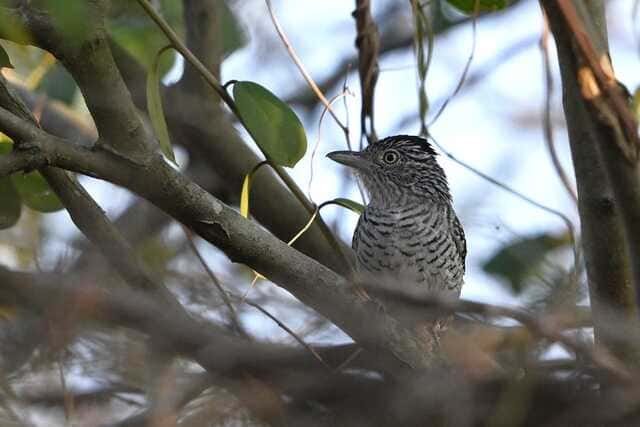
Possible birds include Black-legged Seriema, Chaco Owl, nightjars, raptors, parrots, woodpeckers, toucans and many other dry Chaco species. The park has over 300 recorded bird species.
Kaa Iya is one of the only places in the world where visitors have a realistic chance of seeing the rare Chacoan peccary (tagua), but sightings are never guaranteed. This is one of the rarest large mammals in South America.
The usual travel season is from around May to early December, depending on weather, road conditions and park access. The dry season generally offers better road conditions and more concentrated wildlife around water sources.
Nick's Adventures Bolivia specializes in remote wildlife expeditions, mammal watching, jaguar tracking and birdwatching in Bolivia. Kaa Iya is a challenging destination that requires preparation, experience, realistic expectations and local knowledge. With over 30 years operating in Bolivia, we bring deep expertise and honest communication to every expedition.