Crested Eagle activity has been recorded in this region, but it is an extremely difficult species to observe. It should be considered a rare possibility rather than an expected sighting.

Remote Tent Camp Expedition · The Deepest Eco Camp on the Tuichi River · 4 Days / 3 Nights
Remote Amazon Rainforest · Tacana Guides · Wildlife Tracking · Jaguar & Tapir Signs · Rare Birdlife · Tuichi River · Traditional Fishing
For wildlife enthusiasts with enough time, combining Madidi National Park and the Bolivian Pampas gives a much broader Amazon experience — the two ecosystems offer very different wildlife encounters. Contact us to design the combined itinerary.
Overview
Travel far beyond the more frequently visited jungle areas around Rurrenabaque on a 4-day expedition deep into Madidi National Park, one of Bolivia’s most important wilderness areas.
This is not a standard backpacker jungle tour.
Our destination is a remote tent camp deep in the Tuichi region, positioned much farther into the rainforest than most tourism operations around Rurrenabaque.
It is the deepest eco camp on the Tuichi River, making this an excellent option for travellers looking for a more isolated Amazon experience with fewer visitors and a stronger focus on wildlife tracking, birdwatching and wilderness.
The journey itself is part of the experience. From Rurrenabaque, we travel by vehicle along a spectacular and very remote road toward San José de Uchupiamonas. Traffic is extremely limited, and the surrounding forest and open areas can provide surprisingly good wildlife opportunities.
Along the way, guides watch for mammals, tracks, monkeys, raptors and other birdlife. Wildlife sightings are never guaranteed, but the low traffic and remoteness make the road transfer an important part of the safari rather than simply transport.
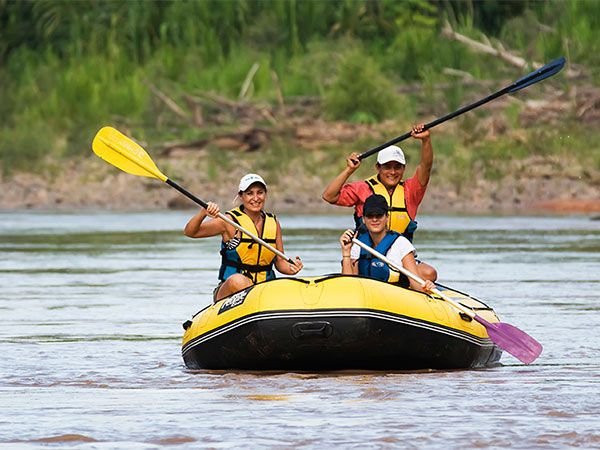
We stop at the Indigenous community of San José de Uchupiamonas before continuing toward the Tuichi River. The final section is approximately two hours by boat, travelling through increasingly remote rainforest before reaching camp.
Once there, activities remain flexible. Experienced local Tacana guides use their knowledge of trails, animal movements, fruiting trees, clay licks and recent wildlife activity to decide where the best opportunities may be each day. Activities can include rainforest hikes, wildlife tracking, birdwatching, river exploration, traditional fishing and nocturnal walks.
Many jungle trips from Rurrenabaque remain considerably closer to town. This expedition travels much deeper into the Tuichi rainforest, away from the main backpacker areas and into a quieter wilderness environment. That remoteness is the main reason we offer this programme.
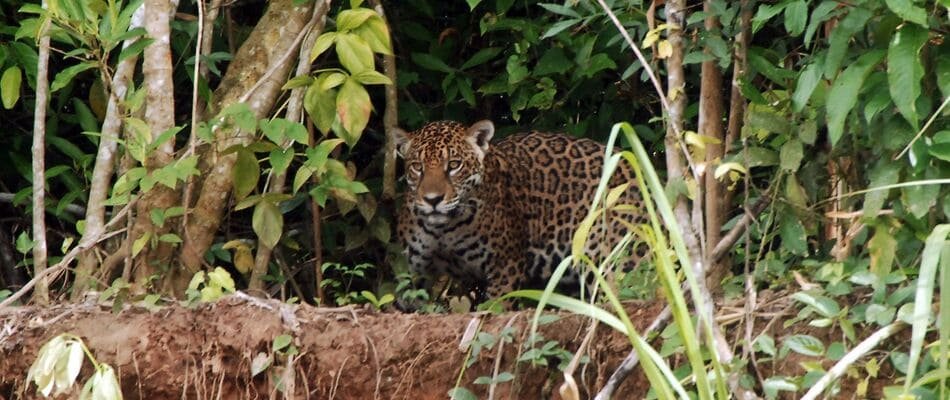
The surrounding area regularly produces jaguar and tapir tracks, feeding signs and other wildlife activity, while the birdlife can also be exceptional. Rare species such as Crested Eagle have been recorded in the region, although sightings are extremely difficult.
For serious wildlife travellers, finding tracks, calls and other signs can be just as important as the actual sighting.
Madidi wildlife watching is very different from the open landscapes of the Pantanal or Bolivian Pampas. This is dense Amazon rainforest. Animals may be only meters away and still remain hidden.
possible wildlife includes
rare possibilities include
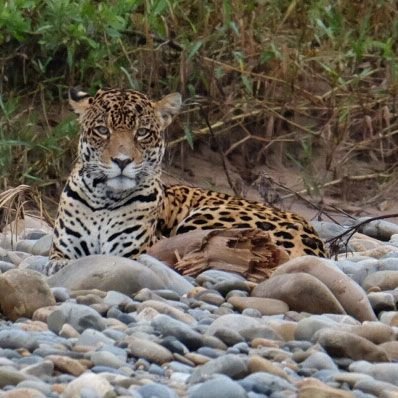
Remote trails, riverbanks and beaches around camp can produce jaguar and tapir tracks and other signs. Fresh footprints, trails and feeding evidence help guides understand recent animal movements. Actual sightings are much harder.
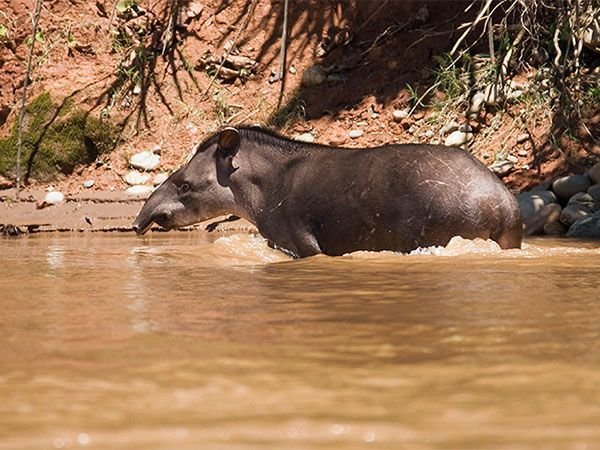
A jaguar encounter in Madidi should always be considered an exceptional wildlife sighting rather than an expected part of the tour. The same applies to tapirs — tracks may be encountered relatively regularly in good areas, but seeing the animal itself requires patience and luck.
The Crested Eagle is one of the most exciting possible birds in this region. There has been activity from this rare rainforest raptor in the area, but sightings are extremely difficult and cannot be predicted or guaranteed.
No wildlife sighting is guaranteed. Madidi is genuine wild Amazon rainforest. Jaguar, tapir, Crested Eagle and many other rare species occur in the ecosystem, and tracks or signs may be found, but actually observing these animals can be extremely difficult. Dense vegetation, weather, animal movements, river conditions and simple luck all influence sightings.
Guests should choose this expedition because they want to experience:
Rare sightings are an exciting bonus, never a promise.
Depart Rurrenabaque in the morning and begin the journey toward Madidi National Park, travelling by vehicle along the remote road toward San José de Uchupiamonas. This is a spectacular part of the journey and also an important wildlife-searching opportunity — traffic is very limited, and guides scan the road edges, forest, clearings and sky for mammals, birds, tracks and other signs. Depending on luck and conditions, wildlife can sometimes be observed before we even reach the river.
Stop at San José de Uchupiamonas, an Indigenous community with strong historical and cultural connections to Madidi. Continue toward the Tuichi River, where we transfer to our boat and travel approximately two hours toward the remote eco camp.
During the river journey, we look for monkeys, macaws, kingfishers, caimans and other wildlife, while also checking beaches and muddy riverbanks for tracks from tapirs, jaguars and other mammals. Arrive at camp, settle into the raised-platform tent accommodation and, depending on arrival time, take a short introductory rainforest walk.
Overnight: Remote Tuichi River Tent Camp
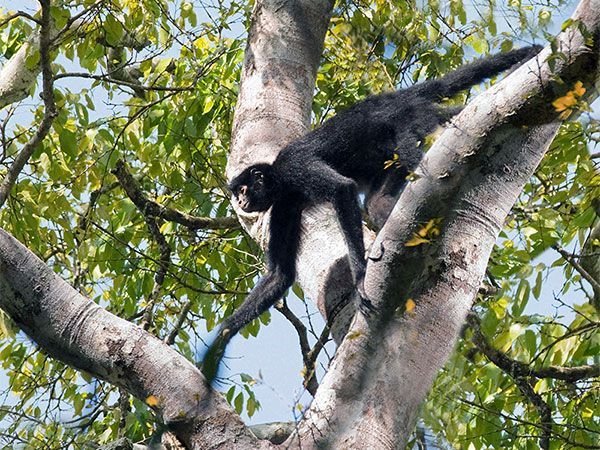
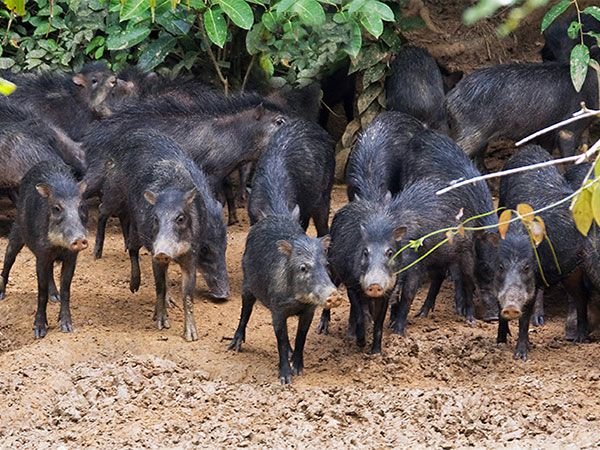
After an early breakfast, enter the forest with the local guide. The morning focuses on wildlife tracking and rainforest exploration. Depending on recent activity, we may visit a natural wildlife clay lick used by species including white-lipped peccaries and potentially tapirs. Our guides search for fresh tracks, feeding signs, animal trails and calls while we move quietly through the forest. Possible wildlife includes monkeys, peccaries, macaws, toucans, parrots and numerous smaller mammals and birds.
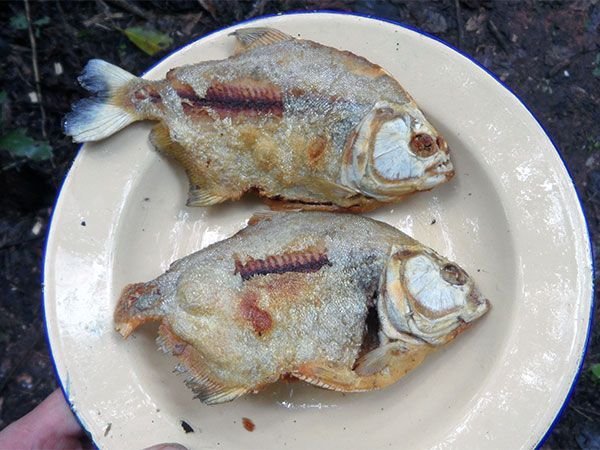
Return to camp for lunch and a rest during the hotter part of the day. In the afternoon, explore another trail or return to the Tuichi River. Traditional fishing may also be possible, with potential catches including golden dorado, pacu and catfish, depending on conditions.
After dinner, conditions permitting, take a guided nocturnal walk. Possible nocturnal observations include frogs, snakes, insects, spiders, nocturnal birds, night monkeys, opossums and other small mammals.
Overnight: Remote Tuichi River Tent Camp
Today is our main full day of wildlife exploration. There is deliberately no rigid sightseeing schedule — the guide assesses recent tracks, calls, clay-lick activity, fruiting trees, weather and river conditions and chooses the most promising areas.
Explore trails, riverbanks, streams and forest clearings while searching for mammals and birds. Particular attention is given to jaguar and tapir activity — river beaches and muddy trails can reveal fresh tracks even when the animals themselves remain hidden. We may also search for monkeys, peccaries, macaws, toucans, mixed bird flocks and rainforest raptors.
With extraordinary luck, rare species such as jaguar, puma or Crested Eagle may be encountered, but none should ever be expected. Depending on conditions and guest interests, another night walk may be possible.
Overnight: Remote Tuichi River Tent Camp
Wake early for a final opportunity to explore the forest or birdwatch around camp. After breakfast, begin the return journey along the Tuichi River. During approximately two hours of river travel, scan the riverbanks, beaches and surrounding forest for wildlife and fresh tracks.
Transfer back to the vehicle and continue along the remote road toward Rurrenabaque. The road journey is once again treated as a wildlife-searching opportunity, with guides watching for mammals, birds and tracks along the route. Arrival time depends on road, river and weather conditions.
It is important that guests understand exactly what the accommodation is before booking. This is a rustic tent camp in remote Amazon rainforest. It is not a hotel, conventional lodge, cabin or luxury glamping property.
Guests sleep in private tents positioned on raised wooden platforms beneath covered shelters. Inside the tent is a comfortable mattress with bedding, providing a proper sleeping surface while still maintaining the feeling of camping deep in the rainforest. The raised platform keeps the tent off the forest floor and provides additional comfort in the humid Amazon environment.
Facilities are simple.
guest should be comfortable with:
The reason to choose this expedition is the location, wildlife and wilderness, not luxury.
Accommodation consists of tents on raised covered platforms with comfortable mattresses and bedding. Guests should not expect hotel-style rooms or luxury facilities. This is a genuine remote rainforest camp designed for adventurous travelers who prioritize wildlife and remoteness over comfort.
Local knowledge is extremely important in dense rainforest. Our program works with experienced Tacana guides familiar with this region of Madidi.
guides look for
Their knowledge helps guests understand not only what they see, but also the many signs left behind by animals that remain hidden.
this expedition is ideal for:
It may not suit travellers who primarily want luxury accommodation or who expect constant large-mammal sightings.
These are very different wildlife experiences.
madidi national park – best for
bolivian pampas – best for
For wildlife enthusiasts with enough time, combining Madidi National Park and the Bolivian Pampas gives a much broader Amazon experience — the two ecosystems offer very different wildlife encounters. Contact us to design the combined itinerary.
included
notincluded
Madidi can be visited at different times of year, but conditions vary by season. The drier months generally provide easier road access, forest walking and better opportunities to search exposed riverbanks for animal tracks. During wetter periods there can be increased rainfall, mud and changes in river and road conditions.
Because this is a remote expedition using both road and river transport, itineraries may occasionally need to be adapted.
Our team replies within a few hours. We also speak Spanish and English.
Access is by vehicle and boat. We travel from Rurrenabaque by road, stop at San José de Uchupiamonas, continue toward the Tuichi River and then travel approximately two hours by boat to camp. There is no six-hour boat journey on the current itinerary.
Yes. The remote road to and from San José de Uchupiamonas is scenic, receives very little traffic and passes through good wildlife habitat. We treat the road journey as part of the wildlife experience, with guides scanning for mammals, birds, tracks and other signs along the way.
Very remote. It is the deepest eco camp on the Tuichi River and is considerably farther into the rainforest than the main jungle tourism areas close to Rurrenabaque.
Guests stay in private tents on raised wooden platforms beneath covered shelters. Tents have comfortable mattresses and bedding. This is rustic rainforest camping, not hotel or luxury lodge accommodation.
Jaguars occur in the area and tracks and signs are found, but sightings are extremely difficult. A jaguar encounter should be considered exceptional. Jaguar sightings are never guaranteed.