
1,000+ Bird Species · Giant Otters · Jaguars · Night Spotlighting · 3-Hour Boat from Rurrenabaque
Overview
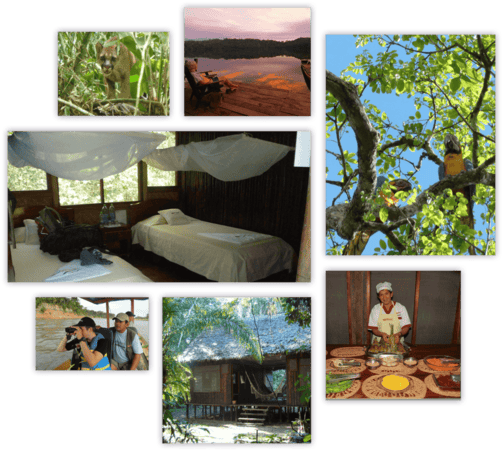
Chalalan Ecolodge sits deep inside Madidi National Park — the second-deepest lodge in the park and one of the most celebrated wildlife experiences in South America. Positioned on the shores of the breathtaking Chalalán Lagoon, the lodge was built and is operated by the Tacana indigenous community, making every visit a direct act of support for the conservation of their ancestral territory and the livelihoods of the families who depend on it.
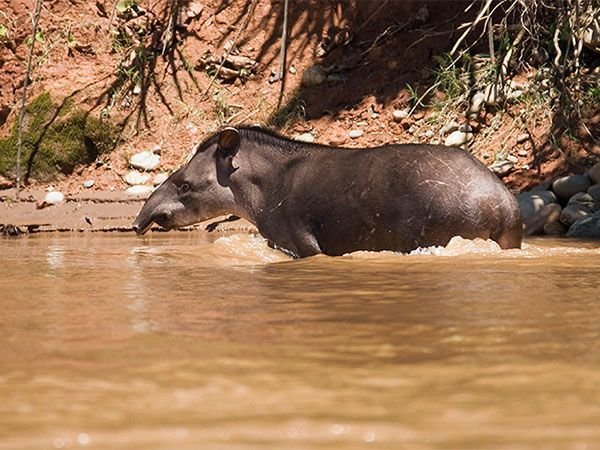
Madidi National Park is consistently recognised by the World Conservation Society and leading biologists as the most biodiverse protected area on Earth. Its 19,000 square kilometres harbour over 1,000 bird species — 11% of all bird species on the planet — along with more than 200 mammal species including Jaguar, Giant Otter, Tapir, Puma, Giant Anteater, and Giant Armadillo. The park was featured on the cover of National Geographic in March 2000 and has never relinquished its status as a landmark destination for nature travellers.
The lodge accommodates up to 30 guests in traditional Tacana-style cabins surrounded by primary rainforest. Three options are available: luxury double cabins with private bathrooms, twin and triple rooms with private bathrooms, and twin rooms with shared facilities. All cabins are equipped with mosquito nets, hammocks, verandas, and balconies that open directly onto the forest. The sounds of Howler Monkeys and Macaws at dawn are not background noise here — they are the alarm clock, the soundtrack, and the reason you came.
All activities are led by expert bilingual Tacana guides whose knowledge of the forest is generational, not academic. The wildlife encounters at Chalalan — from nocturnal Ocelots to families of Giant Otters on the lagoon — are among the most reliable in the Bolivian Amazon.
100% Indigenous Community Operation
Chalalan Ecolodge was founded and is wholly operated by the Tacana indigenous people of Madidi National Park. Visiting directly funds the economic sovereignty of the Tacana community and the protection of their traditional territory inside one of the world’s most biodiverse national parks.
Destination Type
Departure time
price includes
price excludes
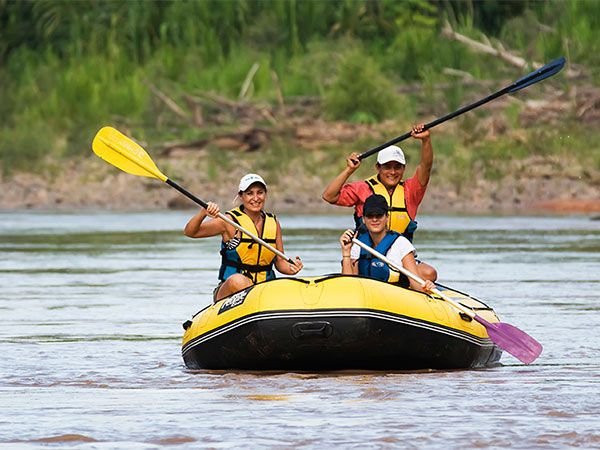
Departure from Rurrenabaque by motorised longboat along the Beni River — a 3-hour upstream journey through the transition zone between the Andean foothills and the Amazonian lowlands. Kingfishers, Herons, Cormorants, and troops of foraging monkeys are commonly observed from the boat as the river narrows and the forest closes in overhead. On arrival at the lodge, guests are welcomed by the Tacana staff and shown to their cabins. After lunch, the first introductory jungle walk on the trail network closest to the lagoon orients guests to the forest environment and introduces the key species — birds, mammals, and plants — that will be the focus of the days ahead. Dinner at the lodge prepared with traditional ingredients.
After dinner: night spotlighting trek. Madidi after dark is a different world. Armed with headlamps and led by a Tacana naturalist who reads the forest by ear as much as by sight, the group searches for tree frogs, sleeping birds, arboreal mammals, Caiman in the lagoon shallows, and the eyeshine of Ocelots and other nocturnal predators in the understorey.
An early start takes advantage of the two hours around sunrise — the most active and acoustically rich period in the Amazonian day. The Tacana guide leads a full-morning birdwatching walk on the longer trail sections of the 40km network, targeting the park’s signature species: Harpy Eagle, Sunbittern, Trogons, Jacamars, Puffbirds, and the multi-species Macaw flocks that congregate at forest clearings. The guide provides identification and natural history context, weaving scientific knowledge with traditional Tacana names and forest lore accumulated across generations.
After lunch, the afternoon is spent on the Chalalán Lagoon by traditional canoe — one of the most serene and wildlife-rich environments in the entire park. Giant Otters, Black Caimans, Hoatzins, and a remarkable concentration of waterbirds inhabit the lagoon year-round. Optional: a guided walk focused entirely on medicinal plants, drawing on centuries of Tacana botanical knowledge. A second night spotlighting session closes the day.
A final morning walk on one of the quieter, less-travelled sections of the trail network — often the most productive for rare and shy species. The guide focuses on whichever habitats or target species have been highest on the group’s wishlist. Optional: a visit to the Tacana community for guests who want to understand the cultural and social fabric behind the ecolodge, including traditional craft demonstrations, community stories, and a glimpse of daily life inside a protected Amazonian territory. After lunch, the boat return journey downstream to Rurrenabaque (approximately 2 hours), arriving in the late afternoon.
Note: stays of 4 or 5 days follow the same daily structure with additional trail sections, a full-day canoe excursion on the lagoon, and deeper exploration of the surrounding primary forest.
Our team replies within a few hours. We also speak Spanish and English.
November offers the best wildlife viewing conditions — trails are passable, the lagoon is at accessible levels, and mammals congregate around water sources. Birdwatching is outstanding year-round, but the dry months are preferred by most guests. The wet season (December–April) brings lush forest, spectacular amphibian activity, and fewer visitors — but some trails and canoe routes may be affected by high water.
Rurrenabaque is served by daily 30-minute flights from La Paz (Amaszonas). Alternatively, it can be reached by long-distance bus from La Paz (approximately 18–20 hours on a mountain road). Most guests fly in both directions. Nick's team assists with flight reservations and logistics coordination.
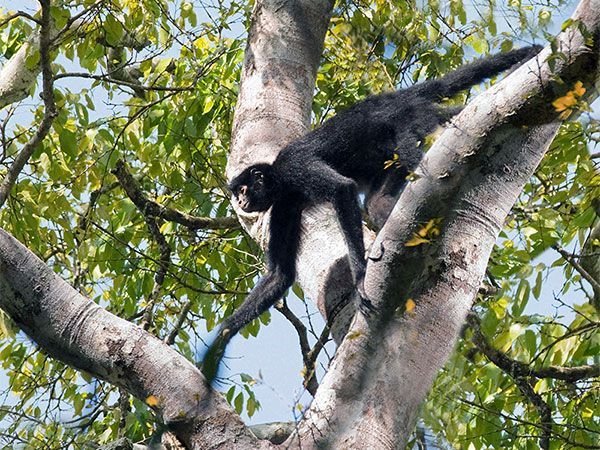
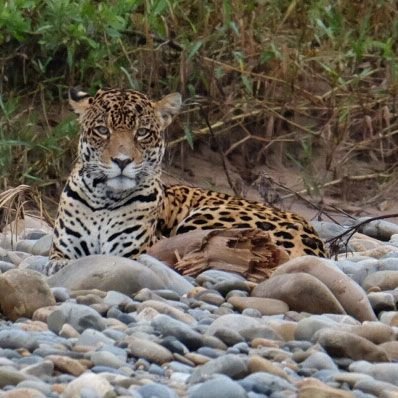
What is the best time of year to visit Toro Toro?Can I combine Cochabamba with Uyuni or other Bolivia destinations?How do I get from La Paz or Santa Cruz to Cochabamba?Is the Toro Toro tour physically demanding?Madidi National Park's biodiversity makes sightings exceptional by any standard. Commonly seen species include multiple Monkey species (Howler, Spider, Capuchin, Squirrel), Black Caiman, Tapir tracks, Giant Otters on the lagoon, River Dolphins, and an extraordinary variety of birds. Jaguar sightings are rare but do occur — the park holds a significant population. Every visit is different, and the Tacana guides adapt each day to maximise wildlife encounters based on current conditions.
Yes — this is one of the most family-friendly Amazon experiences in Bolivia. The boat-based access requires no physical exertion, the trail network includes gentle options suitable for all fitness levels, and the lodge environment is safe and well-managed. The Tacana guides are experienced at tailoring the pace and focus of activities for groups with children. Minimum recommended age is 6 years.
The Chalalan Ecolodge tour pairs exceptionally well with the Bolivian Pampas Wildlife Safari — a contrasting lowland ecosystem that adds Black Caiman, Anaconda, Pink River Dolphins, and open-water birding to the rainforest experience. Nick's team handles the logistics of combining both tours into a single itinerary.
Yes. Chalalan Ecolodge was founded in 1998 with support from Conservation International and has been owned and operated entirely by the Tacana indigenous community since 2001. It is one of the oldest and most successful examples of indigenous-led ecotourism in the Amazon basin, and has been recognised internationally as a model for community conservation.