
World’s Largest Congregation of Blue-Throated Macaws · 4,667 Hectares · Giant Anteater · Maned Wolf · Beni Savannah
About This Experience
Located deep within the remote Llanos de Moxos wetlands of Beni, Barba Azul Nature Reserve is one of Bolivia’s finest birdwatching, mammal-watching and wildlife photography destinations.
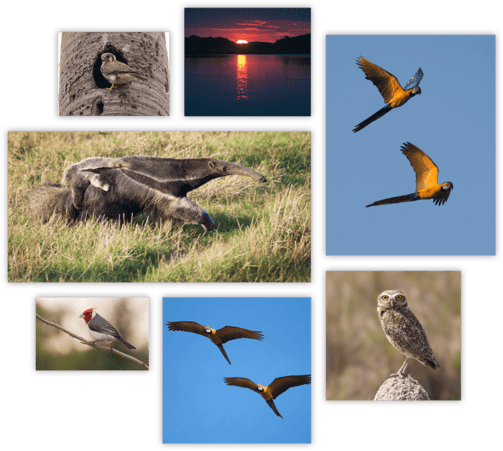
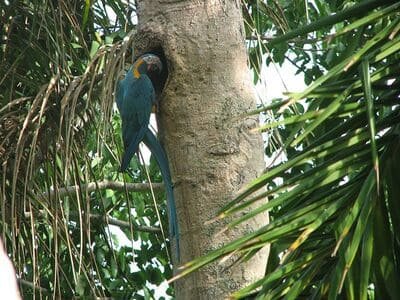
The reserve protects an exceptionally pristine landscape of natural savannas, wetlands, palm groves and forest islands, providing essential habitat for the endemic and Critically Endangered Blue-throated Macaw.
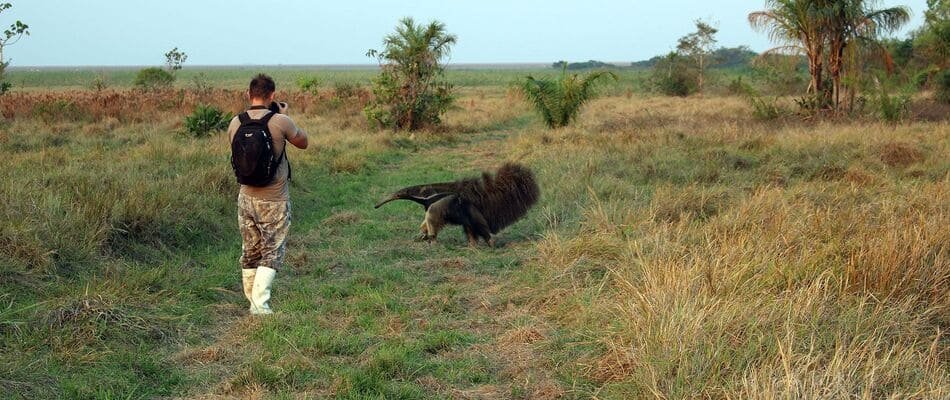
Barba Azul is also home to giant anteaters, black howler monkeys, agoutis, armadillos, black caimans and an extraordinary diversity of birds.
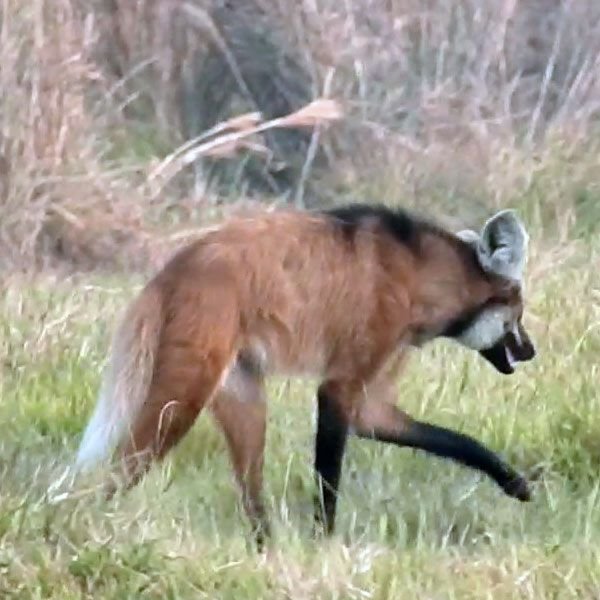
Rare mammals, including maned wolves, pumas, bush dogs and the elusive Pantanal cat, have also been recorded within the reserve. Although these secretive predators are extremely difficult to observe, their presence demonstrates the ecological importance of the area and the success of the conservation work undertaken to protect it.
Every Barba Azul tour organized by Nick’s Adventures Bolivia is accompanied by a specialist wildlife guide.
Depending on the interests of the client, we can provide either:
Your guide travels with you from Trinidad, accompanies all wildlife activities and works alongside the local reserve team to create a focused and flexible experience.
Birdwatchers can concentrate on the Blue-throated Macaw and the exceptional birdlife of the Beni savannas, while mammal watchers can dedicate more time to searching for giant anteaters, armadillos, monkeys, maned wolves and other mammals.
Our nocturnal activities can also include the use of thermal-imaging equipment whenever conditions permit.
Access to this reserve is limited by season and logistics. Contact us to discuss the ideal dates, access route, and combination options with other Beni birding destinations for the best possible experience.
Destination Type
Departure
price includes
price excludes
Wildlife Highlights
birds – savannah & wetland
mammals
The flight normally takes approximately one hour, depending on the aircraft, weather and operating conditions. During the journey, you can enjoy impressive aerial views across the immense wetlands, rivers and natural savannas of Beni, Bolivia.
Upon landing at the reserve’s private airstrip, you will be welcomed by the local team and transferred to the lodge. After settling into your accommodation, lunch will be served.
During the afternoon, we will cross the water and begin exploring the reserve’s forest islands, palm groves, wetlands and open savannas. Our main birdwatching target will be the endemic and Critically Endangered Blue-throated Macaw, one of the rarest parrot species in the world.
We will also look for other macaws, parrots, raptors, waterbirds and species associated with the natural grasslands and wetlands of the Llanos de Moxos.
As temperatures begin to fall, we will turn our attention to mammal watching, scanning the open savanna for giant anteaters and other wildlife. With considerable luck, there may also be a chance to encounter the elusive maned wolf.
After returning to the lodge for dinner, we will undertake a nocturnal wildlife walk around the airstrip and surrounding savanna. Using flashlights and thermal-imaging equipment, we will search for armadillos, giant anteaters, maned wolves and other animals active after dark.
Overnight at Barba Azul Nature Reserve.
We will depart early in the morning, when birds and mammals are generally at their most active.
After crossing the water, we will explore a combination of forest trails, palm islands, wetlands and open savanna. During the crossing, we may observe black caimans and a wide variety of aquatic and wetland birds.
Once on the trails, we will search for Blue-throated Macaws, black howler monkeys, agoutis, giant anteaters and other wildlife. Barba Azul supports an impressive diversity of birds, including macaws, parrots, storks, herons, raptors and numerous species associated with the Beni savannas.
The precise route will depend on recent sightings, wildlife activity, weather conditions and seasonal water levels. This flexibility allows our specialist wildlife guide and the local reserve team to concentrate on the areas offering the best birdwatching and mammal-watching opportunities.
We will return to the lodge for lunch, followed by time to rest during the hottest part of the day.
Later in the afternoon, we will head out again to explore another section of the reserve. Depending on the interests of the group, we may focus on Blue-throated Macaw habitat, follow forest-island trails or scan the open grasslands for giant anteaters, deer and other mammals.
After dinner, there will be another opportunity for nocturnal wildlife watching. Depending on local conditions, we may explore the airstrip, forest edges or wetland areas using thermal-imaging equipment.
Overnight at Barba Azul Nature Reserve.
Today we will continue exploring the remote habitats of Barba Azul Nature Reserve.
Our early-morning excursion will provide another opportunity to observe Blue-throated Macaws as they move between their feeding and resting areas. We will also search for black howler monkeys, agoutis, giant anteaters, armadillos and the reserve’s diverse birdlife.
Barba Azul is much more than a single-species birdwatching destination. Its combination of natural savanna, wetlands, waterways, palm groves and forest islands makes it one of the most complete wildlife-watching destinations in Bolivia.
Rare predators, including pumas, bush dogs and Pantanal cats, have been recorded through camera traps and scientific monitoring. These species are exceptionally secretive and should not be considered expected sightings, but their presence highlights the excellent ecological condition of the reserve.
After the morning excursion, we will return to the lodge for lunch and a short rest.
During the afternoon, we will explore another section of Barba Azul, concentrating on the habitats showing the most recent wildlife activity. We may search for macaws around the palm islands, walk through forest habitat or spend more time scanning the open savanna for larger mammals.
Following dinner, there will be a final nocturnal mammal-watching excursion using thermal-imaging equipment. This will provide another opportunity to search for armadillos, giant anteaters, maned wolves and other nocturnal wildlife.
Overnight at Barba Azul Nature Reserve.
This provides one last opportunity to observe the Blue-throated Macaw and search for any birds or mammals that may have eluded us during the previous days.
Depending on recent wildlife activity, we may revisit a productive forest island, explore the savanna near the lodge or scan the wetlands for caimans, waterbirds and mammals.
We will then return to the lodge, prepare our luggage and enjoy lunch.
At the appropriate time, we will transfer to the reserve’s private airstrip for the approximately one-hour Cessna flight back to Trinidad.
Upon arrival, you will be met and transferred either to your hotel in Trinidad or directly to the airport for your onward departure.
End of the Barba Azul Nature Reserve expedition.
Barba Azul Nature Reserve protects one of the most important remaining areas of natural savanna, wetland and forest-island habitat in Beni, Bolivia.
By booking this tour, visitors directly support the protection of the reserve, wildlife research, habitat management, local employment and the continued development and maintenance of essential infrastructure.
Our team replies within a few hours. We also speak Spanish and English.