2 Days / 1 Night · Bolivian Endemic Birds · Yungas Cloud Forest · Casa Chunyi Lodge · La Paz
About This Experience
Join Nick’s Adventures Bolivia on a specialist two-day birdwatching adventure along the legendary Death Road, exploring the spectacular cloud forests surrounding Cotapata National Park in the Yungas region of La Paz.
While Bolivia’s famous Death Road, also known as Camino de la Muerte or the Old Coroico Road, is internationally known for mountain biking, few visitors realise that the surrounding forests are home to an extraordinary diversity of birds, mammals, orchids and other wildlife. Our tour offers a completely different way to experience this legendary destination.
Instead of rushing through the landscape, we spend two days exploring different elevations, searching for endemic Bolivian birds, walking through ancient cloud forests, visiting impressive waterfalls and enjoying some of the most dramatic mountain scenery in South America.
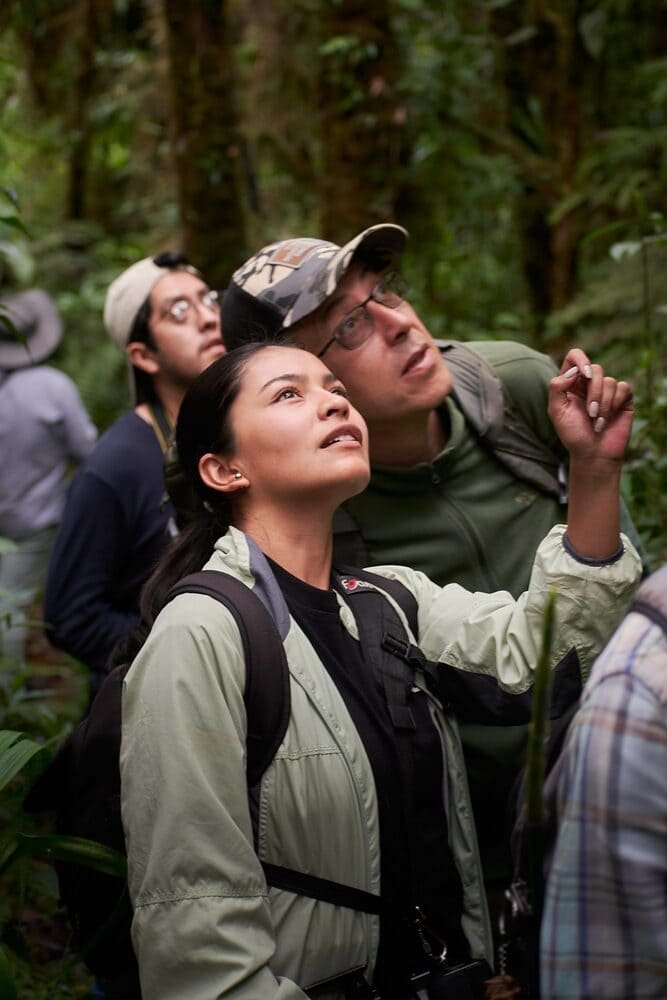
This is much more than a conventional sightseeing excursion. It is an immersive birdwatching and natural history experience designed for international birders, wildlife photographers and travellers who want to discover Bolivia’s incredible biodiversity.
Bird and wildlife sightings depend on weather, season and natural activity. Contact us to discuss availability, private departures and the best dates for your birdwatching priorities.
Destination Type
Departure
price includes
price excludes
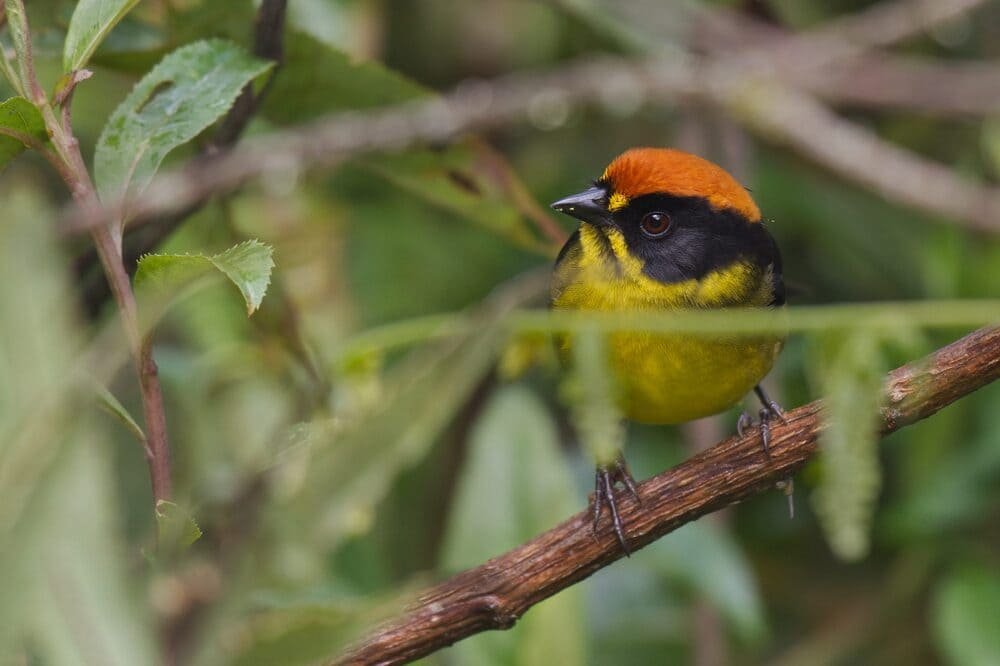
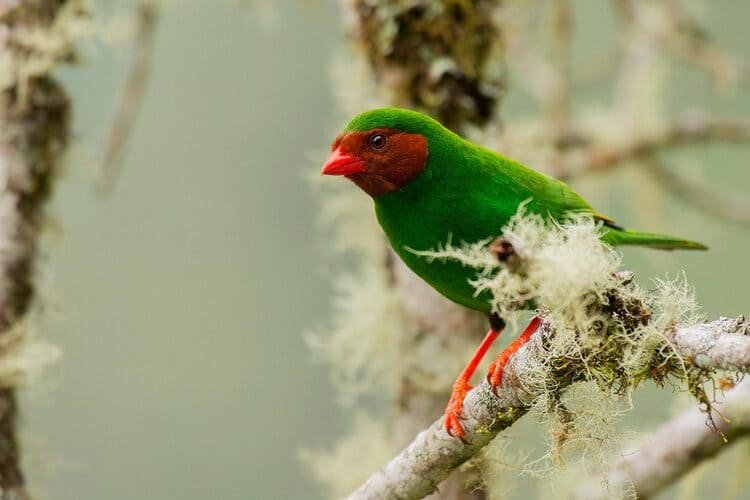
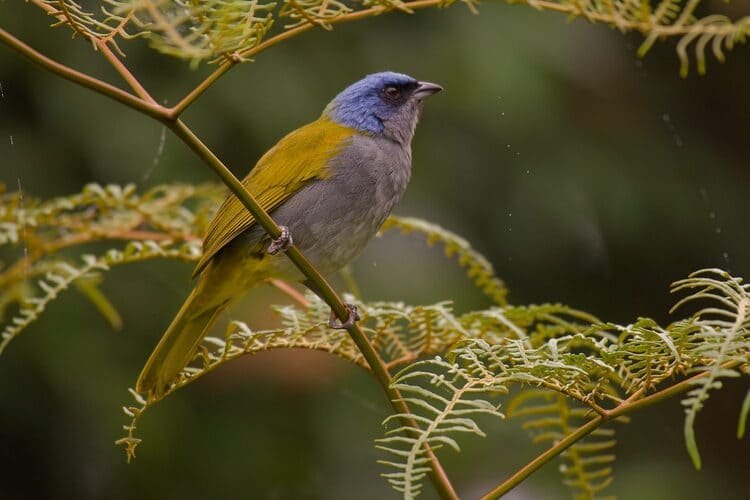
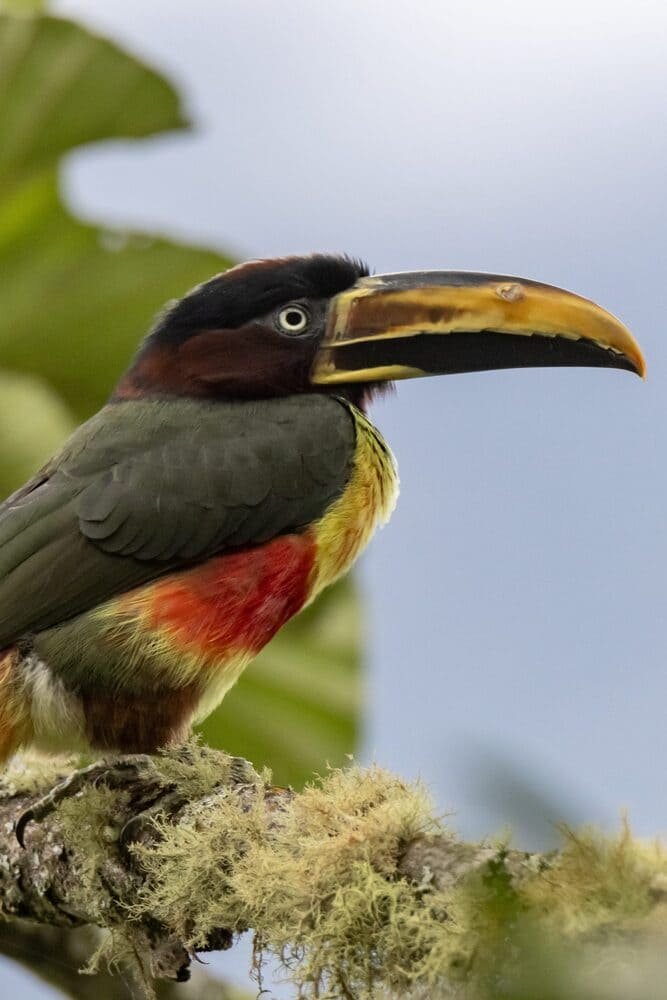
The Cotapata National Park and Death Road corridor is one of the most rewarding birdwatching areas accessible from La Paz. Travelling between high-altitude Andean habitats and humid subtropical cloud forests allows us to search for endemic species, hummingbirds, colourful tanagers, mountain toucans, trogons, raptors and other Yungas specialities.
Bolivian endemics & Andean specialities
cloud forest birds (not guaranteed)
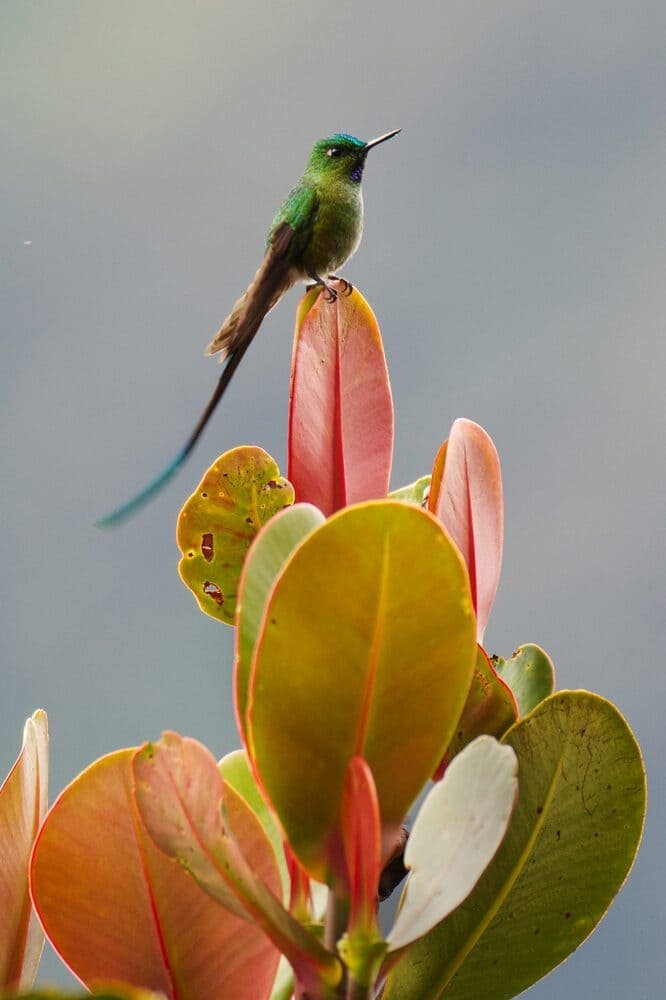
Black-hooded Sunbeam: one of the principal highlights is a dedicated stop at a known observation area for this beautiful hummingbird, found only in Bolivia and an important target for international birdwatchers. Quetzals and the Andean Cock-of-the-rock occur in the region but are particularly elusive and should not be considered expected sightings.
Other notable birds recorded in the wider area include Amazonian Motmot, Cinnamon Flycatcher, Spectacled Redstart, Andean Swallow and Dusky-green Oropendola. Our itinerary is flexible, allowing guides to dedicate time to particular species, flowering plants and mixed-species bird flocks. Not every species occurs at every elevation or is equally easy to find, and success varies with weather, season and natural bird activity.
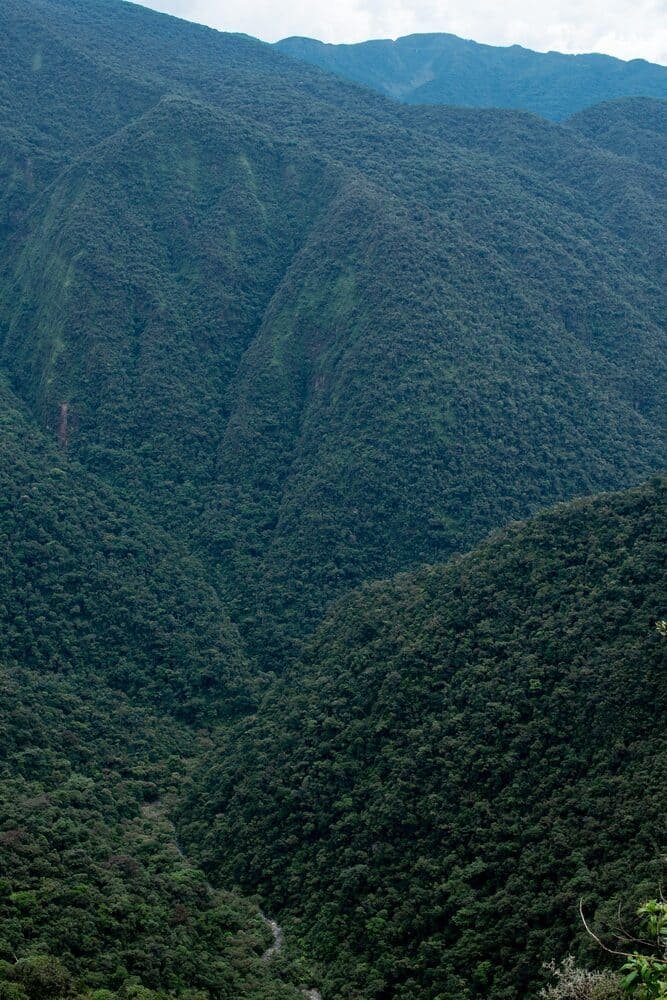
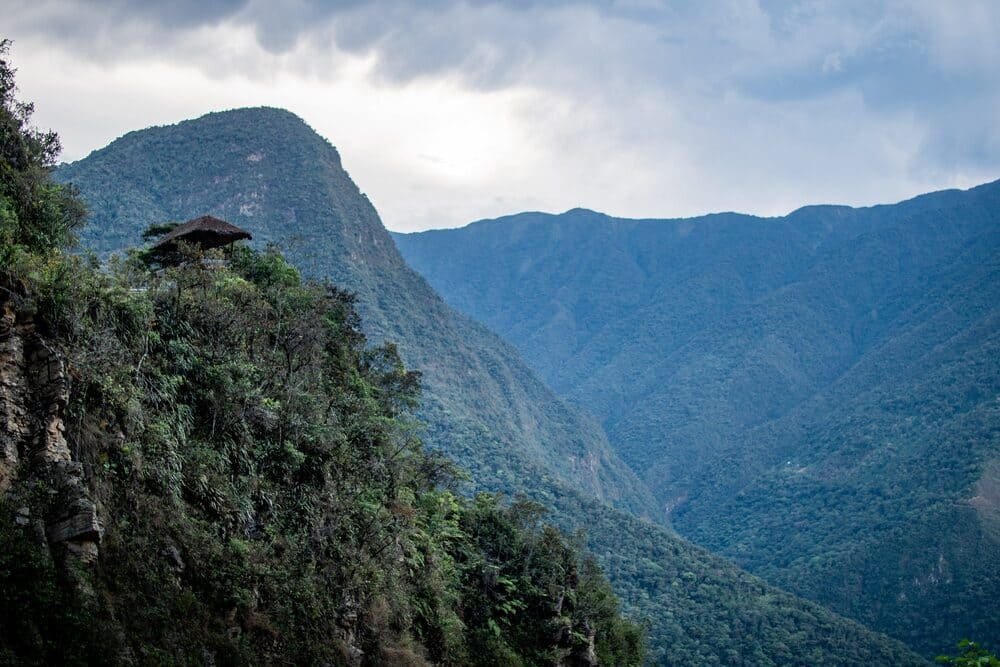
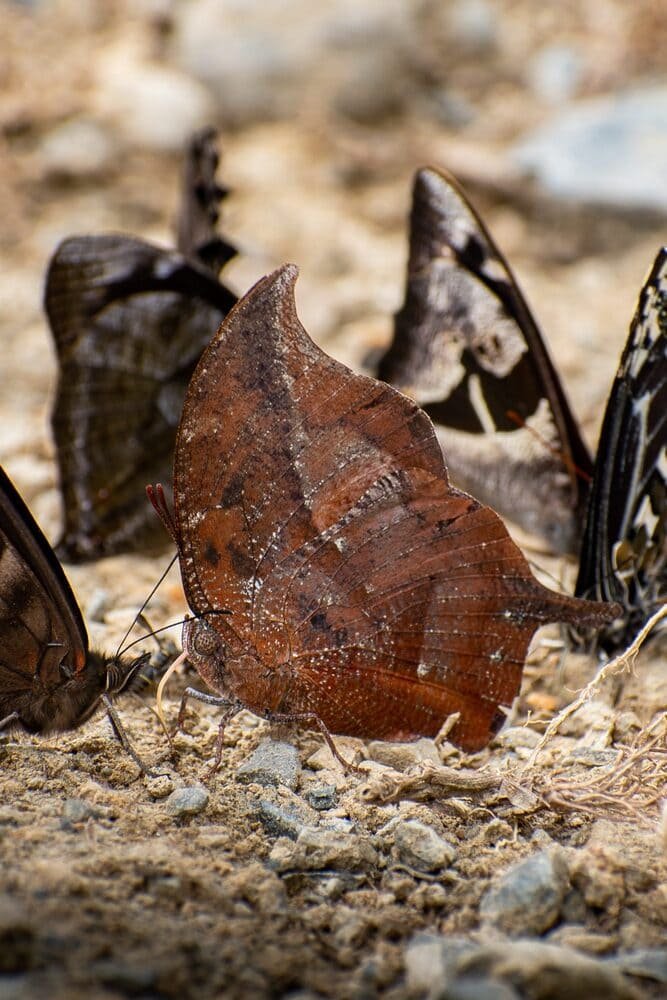
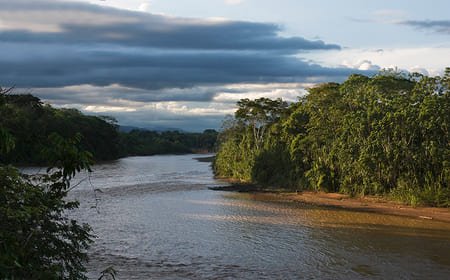
The cloud forests surrounding Cotapata National Park are among Bolivia’s most botanically rich natural environments. These humid Andean forests contain towering trees covered in mosses, giant tree ferns, orchids, bromeliads and an extraordinary diversity of epiphytic plants. Mist regularly moves through the forest-covered mountains, maintaining the moisture-rich habitats that support this exceptional biodiversity.
The region is also home to rushing rivers, mountain streams, spectacular waterfalls and deep green valleys. For nature photographers, botanists and wildlife enthusiasts, the landscape alone makes the experience worthwhile.
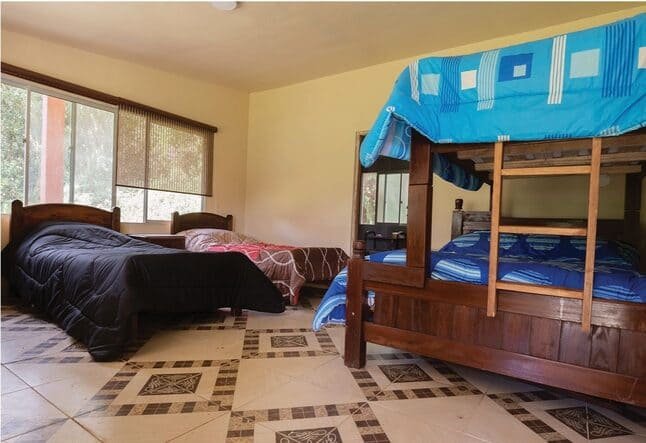
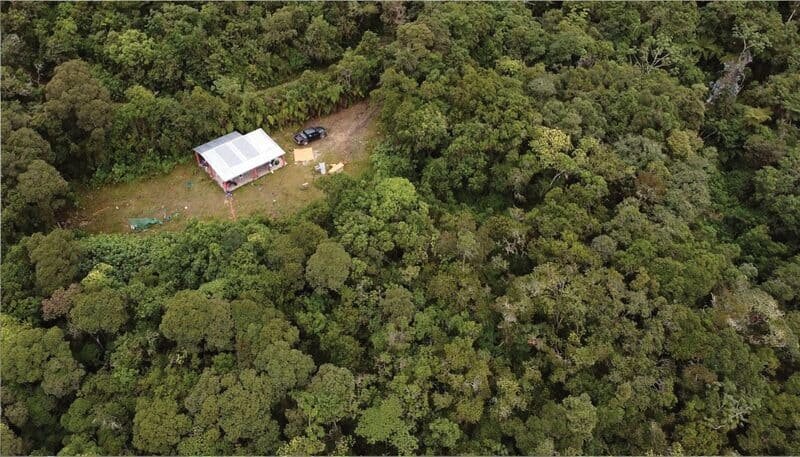
One of the most distinctive features of this tour is a night at Casa Chunyi, a small, rustic accommodation property situated directly along Bolivia’s historic Death Road. Surrounded by cloud forest and mountain landscapes, it offers an exceptional location for wildlife observation, with forest trails, birdwatching habitats and opportunities to explore the cloud forest after dark.
The accommodation is basic rather than luxurious, with simple bedrooms and shared spaces. Staying overnight allows us to experience the forest during the early morning and evening, when many birds and other animals are particularly active. We recommend the experience to travellers who value wildlife, conservation and location over luxury facilities.
The cloud forests of the Bolivian Yungas attracted international scientific attention in September 2026 following the formal recognition of the Tilcayo (Leopardus tilcayo), an exceptionally rare small wildcat associated with the cloud forests of Bolivia. The cloud forest property where our guests stay has reported recording this rare feline through its own camera-trap monitoring, illustrating the conservation significance of this forest.
Guests can learn about the region’s elusive wildlife and the importance of camera trapping for documenting secretive mammals. The Tilcayo is extremely rare and exceptionally difficult to observe: this is not a wildcat sighting tour, and visitors should not expect to encounter the animal.
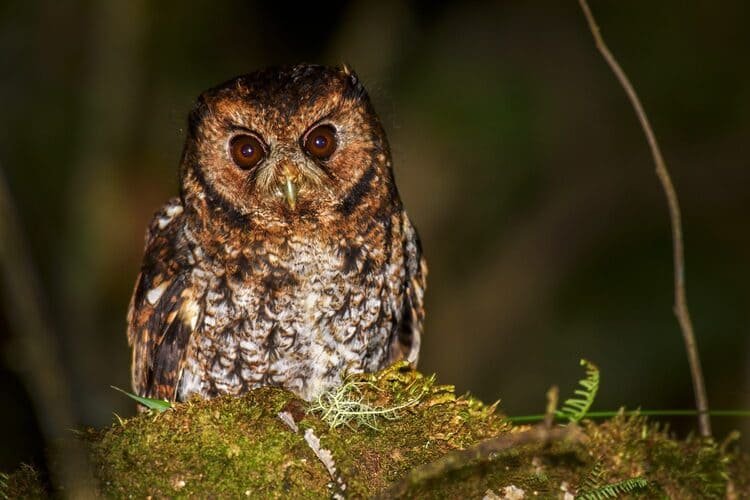
For travellers interested in nocturnal wildlife, an optional guided night walk offers a completely different perspective on the forest. As daylight fades, the cloud forest comes alive with frogs, insects, moths, spiders and the sounds of nocturnal birds. Depending on conditions, we may search and listen for Cloud-forest Screech-Owl, Andean Potoo and other nocturnal species. Night walks are conducted with consideration for wildlife disturbance, weather and trail safety.
We depart La Paz in the morning, travelling towards the Andean mountains and the famous Old Coroico Road.
Our first birdwatching activities take place around the Unduavi area, where we search for high-elevation specialities. A particularly important stop is our known observation area for the endemic Black-hooded Sunbeam. Additional birding targets in appropriate habitats include Light-crowned Spinetail and Red-crested Cotinga.
Continuing towards Puente Diablo, we explore changing habitats along the mountainside, searching for birds such as Black-throated Thistletail, Golden-collared Tanager and Orange-browed Hemispingus.
We then continue along the spectacular historic Death Road, surrounded by dramatic cliffs, steep forest-covered valleys and cascading waterfalls. During the afternoon, we explore the San Juan waterfalls area, combining cloud forest birdwatching with scenic walking and photography. Birds recorded in this wider area include Golden-headed Quetzal and Blue-banded Toucanet, although the quetzal is particularly difficult to observe.
Later, we arrive at our rustic cloud forest accommodation, Casa Chunyi. After dinner, guests may choose an optional guided night walk to search for owls, frogs, insects and other nocturnal wildlife.
Overnight: Casa Chunyi, Death Road cloud forest.
We begin early to take advantage of morning bird activity. Depending on conditions and the group’s birdwatching priorities, we explore the lodge trails and additional locations along the Death Road and surrounding Yungas forests.
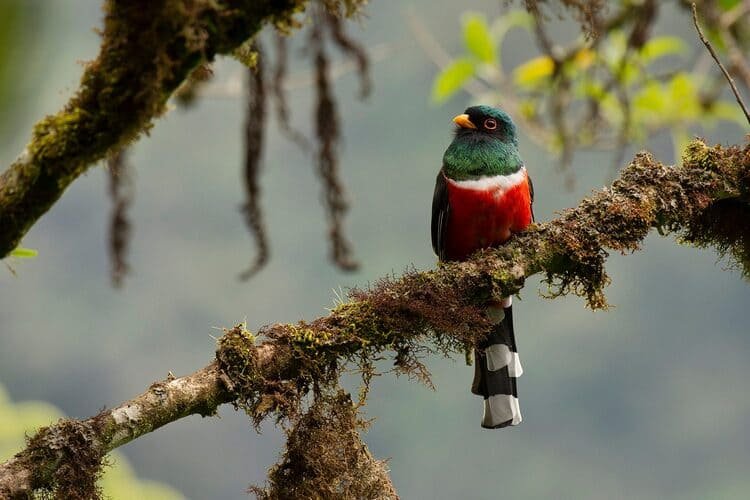
The itinerary may include a visit towards the Cedro Mayu area, known for its cloud forest wildlife. Birdwatching targets around different parts of the route include Bolivian Brushfinch, Andean Solitaire, Yungas Warbler, Collared Inca and Masked Trogon. The wider lower-elevation region also supports the Andean Cock-of-the-rock, although observing this elusive bird can be difficult.
Our guides will adapt the day’s activities to wildlife conditions, allowing time for bird photography, forest exploration and additional observation stops. After a rewarding day exploring the biodiversity of the North Yungas, we begin our journey back to La Paz, arriving in the evening.
End of the Death Road & Cotapata birdwatching expedition.
At Nick’s Adventures Bolivia, we believe responsible wildlife tourism can play an important role in protecting Bolivia’s remaining natural habitats. The Yungas cloud forests face growing pressures from deforestation, habitat degradation and mining.
By supporting locally operated tourism activities, forest accommodation and specialist guiding, visitors help create economic alternatives to environmentally destructive land-use practices. The recognition of the Tilcayo wildcat highlights why conserving these forests matters: there may be other remarkable species in these habitats that have yet to be documented or studied.
We recommend binoculars, a camera, comfortable walking shoes with good grip, a waterproof jacket, warm layers, insect repellent, sun protection and personal medication. The weather can change quickly in the mountains, and trails may be wet or muddy.
Our team replies within a few hours. We also speak Spanish and English.
The Death Road and Cotapata National Park region is one of the outstanding birdwatching areas accessible from La Paz. Its varied elevations, cloud forest habitats and Bolivian endemic species make it an excellent option for specialist birdwatchers.
We include a dedicated birdwatching stop at a known observation location for the Black-hooded Sunbeam, a hummingbird endemic to Bolivia. Sightings remain dependent on natural conditions.
Both occur in the wider Yungas region, but they are difficult birds to observe. We do not guarantee sightings or describe them as regularly encountered on this itinerary.
The Tilcayo has been reported from camera traps at the accommodation property. However, it is an exceptionally rare and elusive wildcat, and the tour is not designed around seeing it in the wild.
No. Casa Chunyi is a basic, rustic cloud forest property. Its outstanding feature is its location along the historic Death Road, surrounded by natural habitat and wildlife observation opportunities.
Yes, optional guided night walks may be arranged to search for frogs, insects, owls and other nocturnal wildlife, depending on weather, availability and safety conditions.
The tour explores the Cotapata National Park region and surrounding Death Road birdwatching corridor. Exact stops and access to designated protected-area trails depend on the operating itinerary and applicable entrance arrangements.