
Cultural Tours
choose YOUR PACKAGES
Bolivia — One of South America's Richest Cultural Destinations
1–5 Days
10 Tours
3
36
Overview
Ancient Civilizations, Living Traditions
Bolivia preserves one of the most extraordinary concentrations of cultural heritage in the Americas. From the 2,000-year-old Tiwanaku empire — predecessor to the Inca — to 18th-century Jesuit mission baroque churches in the Chiquitanía, the depth of history here is staggering. And unlike many destinations, these traditions remain alive: Aymara and Quechua communities still practise ancient weaving, agricultural, and ceremonial customs in daily life.
Nick’s Adventures Bolivia has been connecting travellers with authentic cultural experiences since 1989. Our guides don’t just explain history — many of them are part of it, bringing personal connections to indigenous communities, archaeological sites, and living cultural traditions across La Paz, Lake Titicaca, Sucre, Santa Cruz, and the Bolivian highlands.
Whether you’re exploring the mysterious monoliths of Tiwanaku, cruising the sacred waters of Lake Titicaca, or learning Jalq’a weaving techniques near Sucre, every tour is designed to go beyond the surface — providing genuine cultural exchange, expert interpretation, and unforgettable encounters.
unesco heritage
- Noel Kempff Mercado NP
- Jesuit Missions of Chiquitanía
- City of Sucre
- Tiwanaku site (inscription pending)
cultural highlights
- Tiwanaku (c. 200 BC – 1000 AD)
- Lake Titicaca — birthplace of the Inca
- Jesuit Baroque missions (1691–1760)
- 36 indigenous ethnic groups
tour formats
- Half day to 5-day expeditions
- Small private groups only
- Expert specialist guides
- Community-integrated visits
best travel period
- Dry season: May – October
- Cultural festivals: Jun – Aug
- Most routes: Year-round
- Highlands: Jun–Jul coldest nights
Why book with us
- Available 24/7
- Hand-picked Tours Only
- Emergency Satellite Phone
- Hotel Pickup Included
book this adventure
Get a question ?
Our team replies within a few hours. We also speak Spanish and English.
all cultural tours
10 Cultural Tours in Bolivia
From pre-Inca ruins and Jesuit Missions to living indigenous traditions and remote wilderness — Bolivia’s cultural depth is unmatched in South America.
01CultureHistoryArchaeology
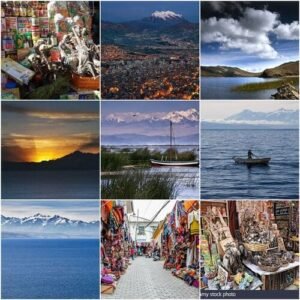
La Paz, Copacabana, Isla del Sol & Tiwanaku Tour
Bolivia’s essential cultural circuit — from the unique urban energy of La Paz across the altiplano to sacred Lake Titicaca, the Inca sanctuary of Isla del Sol, and the Pre-Inca ruins of Tiwanaku.
- 4 Days
- Small Groups
- Year-round
- Tiwanaku archaeological site
- Isla del Sol Inca temples
- Lake Titicaca at 3,820 m
- Expert archaeologist guide
02CultureScenicLake Titicaca
Lake Titicaca Catamaran Cruise
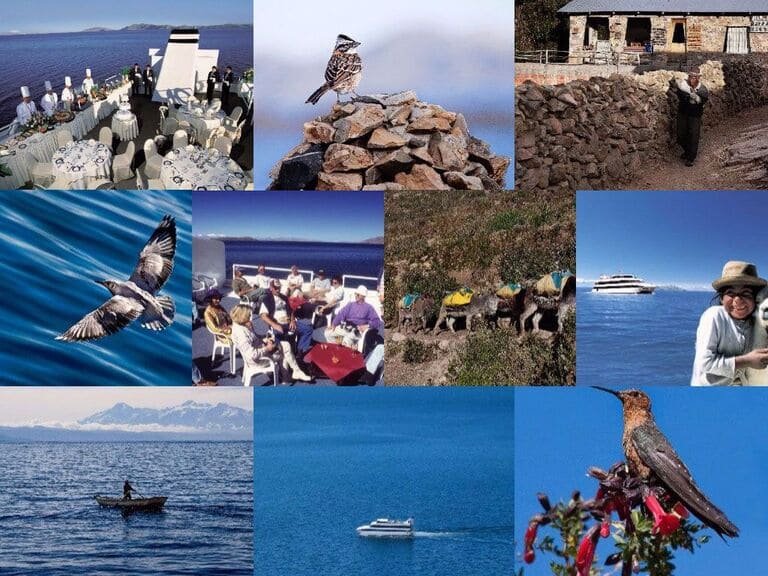
Luxury catamaran cruise on the world’s highest navigable lake — visiting the Uros floating reed islands, Taquile weavers, and the sacred Bolivian shore with panoramic Andean views.
- 1 Day
- Small Groups
- Year-round
- World's highest navigable lake
- Uros reed island visit
- Taquile traditional weavers
- Andean panoramic scenery
03CultureArchaeologyInca
Samaipata & El Fuerte Ruins Tour
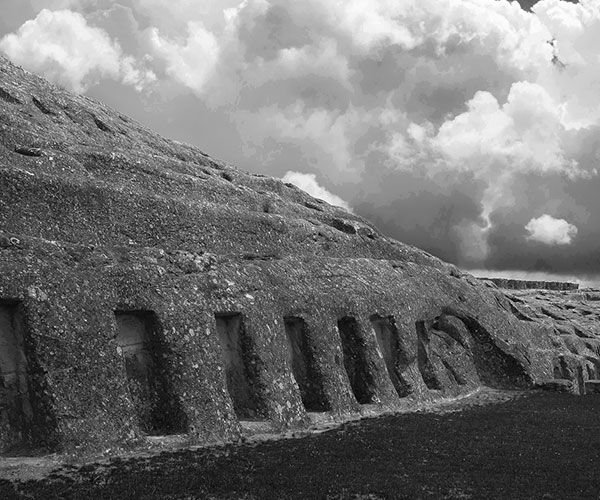
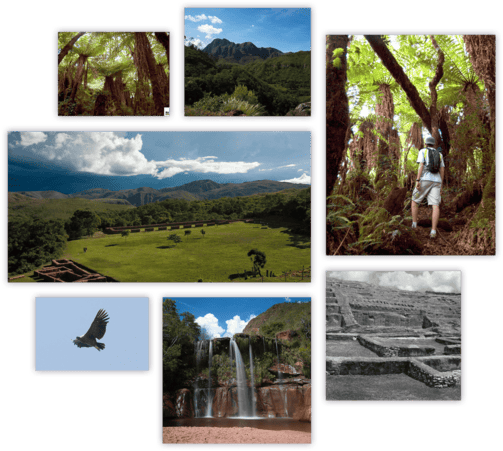
El Fuerte de Samaipata is one of South America’s most remarkable Inca and pre-Inca sites — a massive carved rock complex at the edge of the Amazon, combined with the charming colonial town of Samaipata.
- 1 Day
- Small Groups
- Year-round
- El Fuerte UNESCO nomination site
- Inca & pre-Inca carved rock
- Cloud forest setting
- Samaipata artisan village
04CultureUNESCOMulti-day
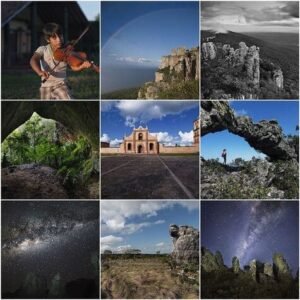
Chiquitanía Ultimate Landscape & Culture Tour
Immersive journey through the Chiquitanía — a UNESCO World Heritage cultural landscape where Jesuit missions built between 1691 and 1760 stand alongside extraordinary biodiversity and living indigenous traditions.
- 4 Days
- Small Groups
- Year-round
- Jesuit Missions UNESCO World Heritage
- 18th-century baroque churches
- Chiquitano cultural communities
- Cerrado & Chaco wildlife
05CultureGeologyNational Park
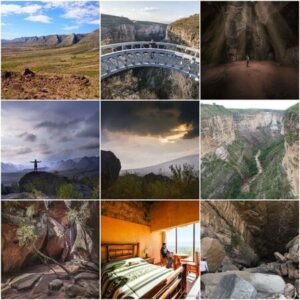
Toro Toro National Park
Toro Toro is Bolivia’s geological and cultural treasure — 70 million year-old dinosaur tracks, pre-Inca agricultural terraces, giant cave systems, and Andean canyon landscapes.
- 2 Days
- Small Groups
- May - Oct
- Dinosaur trackways (70 million yr)
- Pre-Inca agricultural terraces
- Umajalanta cave system
- Andean condor & endemic wildlife
06CultureHighlandsVolcano
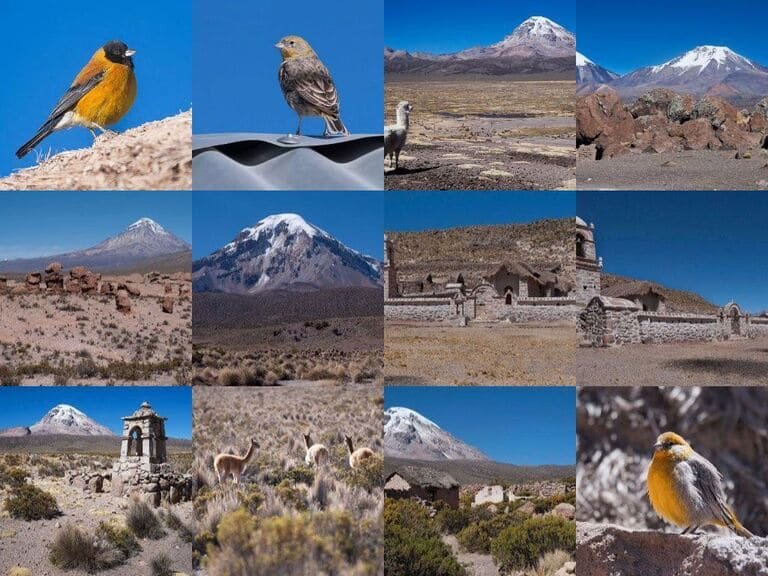
Sajama National Park 3-Day Expedition
Three days in Bolivia’s highest national park — dominated by the 6,542 m Sajama volcano — learning Aymara traditions, visiting ancient high-altitude geoglyphs, and seeing the world’s highest Polylepis forest.
- 3 Days
- Small Groups
- May - Oct
- Sajama volcano (6,542 m)
- Aymara cultural immersion
- High-altitude Polylepis forest
- Ancient geoglyphs & petroglyphs
07CultureNatureRemote
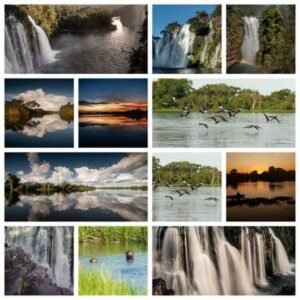
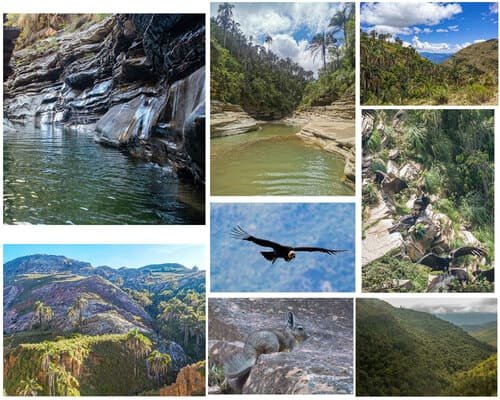
Noel Kempff Mercado National Park
A UNESCO World Heritage wilderness where pre-Columbian communities left traces in an almost untouched landscape. Spectacular waterfalls, ancient cerrado habitat, and one of South America’s most remote parks.
- 5 Days
- Small Groups
- May - Oct
- UNESCO World Heritage Site
- Waterfall systems & plateaus
- Remote Amazonian wilderness
- Flying access — light aircraft
08CultureConservationSucre
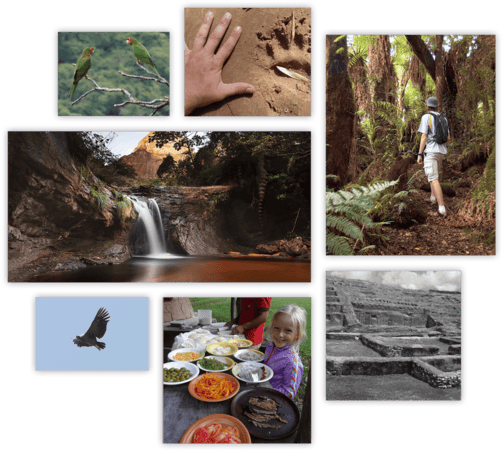
El Palmar Natural Area & Andean Bear Conservation Tour
A unique cultural-conservation hybrid near Sucre — El Palmar preserves an ancient Bolivian palm forest alongside active Andean Bear conservation and Jalq’a indigenous weaving community visits.
- 2 Days
- Small Groups
- Year-round
- Ancient Samai palm forest
- Andean bear conservation
- Jalq'a weaving community
- Sucre UNESCO colonial city
09CultureNatureMulti-day
Amboro NP, Refugio Los Volcanes & Samaipata Package
Bolivia’s best adventure-culture package — combining cloud forest wildlife in Amboro National Park and Refugio Los Volcanes with the cultural depths of El Fuerte de Samaipata.
- 4 Days
- Small Groups
- Year-round
- Amboro cloud forest wildlife
- El Fuerte ruins
- Refugio Los Volcanes
- Private nature lodge accommodation
10CultureHerpetologySpecialist
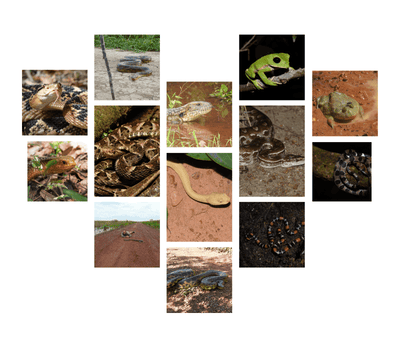
Bolivian Herping Expeditions
Specialist herpetology expeditions exploring Bolivia’s extraordinary reptile and amphibian diversity — from the Amazon lowlands to Andean cloud forests — with expert guides and community-run lodges.
- Multi-day
- Small Groups
- Year-round
- Expert herpetologist guides
- Anaconda & caiman species
- Poison dart frogs
- Community-supported lodges
Bolivia's Most Experienced Cultural Guide
Frequently Asked Questions
Tiwanaku is Bolivia's most significant pre-Columbian site — a 2,000-year-old empire that predated and influenced the Inca. The ruins sit at 3,850 m on the altiplano near Lake Titicaca and include massive stone monoliths, the Kalasasaya temple, and the famous Gateway of the Sun. It's a UNESCO-nominated site and a must for anyone interested in South American history.
Yes — and genuinely so. Bolivia has 36 indigenous ethnic groups, many of which maintain traditional practices in daily life. Nick's tours include community visits with Aymara families near Lake Titicaca, Jalq'a weavers near Sucre, and Chiquitano communities in the missions region. These are authentic engagements, not staged performances.
Lake Titicaca straddles both countries. The Bolivian side — often called the "Sacred Lake" — is generally considered more authentic and less touristy than the Peruvian side. Bolivia's portion includes Copacabana, the Bolivian sun island (Isla del Sol), and the Tiwanaku ruins just south of the lake. Nick's tours focus exclusively on the Bolivian shore.
Why book with us
- Available 24/7
- Hand-picked Tours Only
- Emergency Satellite Phone
- Hotel Pickup Included
book this adventure
Get a question ?
Our team replies within a few hours. We also speak Spanish and English.