Wildlife & Travel
The Salar de Uyuni is the world’s largest salt flat, covering 10,582 square kilometres in the southwest of Bolivia at an altitude of 3,656 metres above sea level. It is one of the most photographed landscapes on the planet — and one of the most misunderstood in terms of how to visit it well.
With more than 90 tour operators operating out of the town of Uyuni, choosing the right experience is not straightforward. This guide explains what the Salar de Uyuni actually offers, why the type of tour you choose matters, and how Nick’s Adventures designs private Uyuni experiences for travellers who want more than the standard shared jeep circuit.
The Uyuni Salt Flat, known in Spanish as Salar de Uyuni, is a prehistoric lake that evaporated approximately 40,000 years ago, leaving behind a vast crust of salt and minerals across the Bolivian Altiplano. The crust reaches a thickness of up to 10 metres in the centre and contains an estimated 50 to 70 percent of the world’s known lithium reserves.
At 3,656 metres above sea level, the Salar sits at high altitude in the department of Potosí, surrounded by volcanic mountains, high-altitude lagoons, and some of the most remote communities in South America.
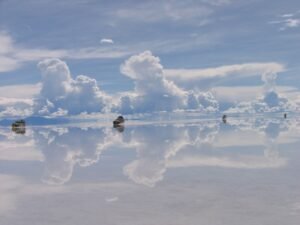
The landscape changes completely between seasons. During the dry season (roughly May to November), the salt flat appears as an endless white desert with geometric hexagonal salt patterns. During the wet season (December to April), a thin layer of rainwater covers the surface, creating the famous mirror effect — one of the most remarkable photographic phenomena in the natural world.
A good private Uyuni tour extends well beyond the salt flat itself. Southwest Bolivia contains some of the most extraordinary and least-visited landscapes in South America.
Located in the heart of the Salar, Incahuasi Island rises from the salt flat and is covered in giant cacti that reach up to 12 metres in height. The island offers panoramic views across the white expanse of the Salar in every direction and is one of the most iconic stops on any Uyuni tour.
Hidden near the Salar, Galaxy Cave contains remarkable lava formations created millions of years ago when volcanic lava came into contact with water. It is one of the lesser-known highlights of the region and is included in the 3-day Uyuni Salt Flats & Lagoons Tour.
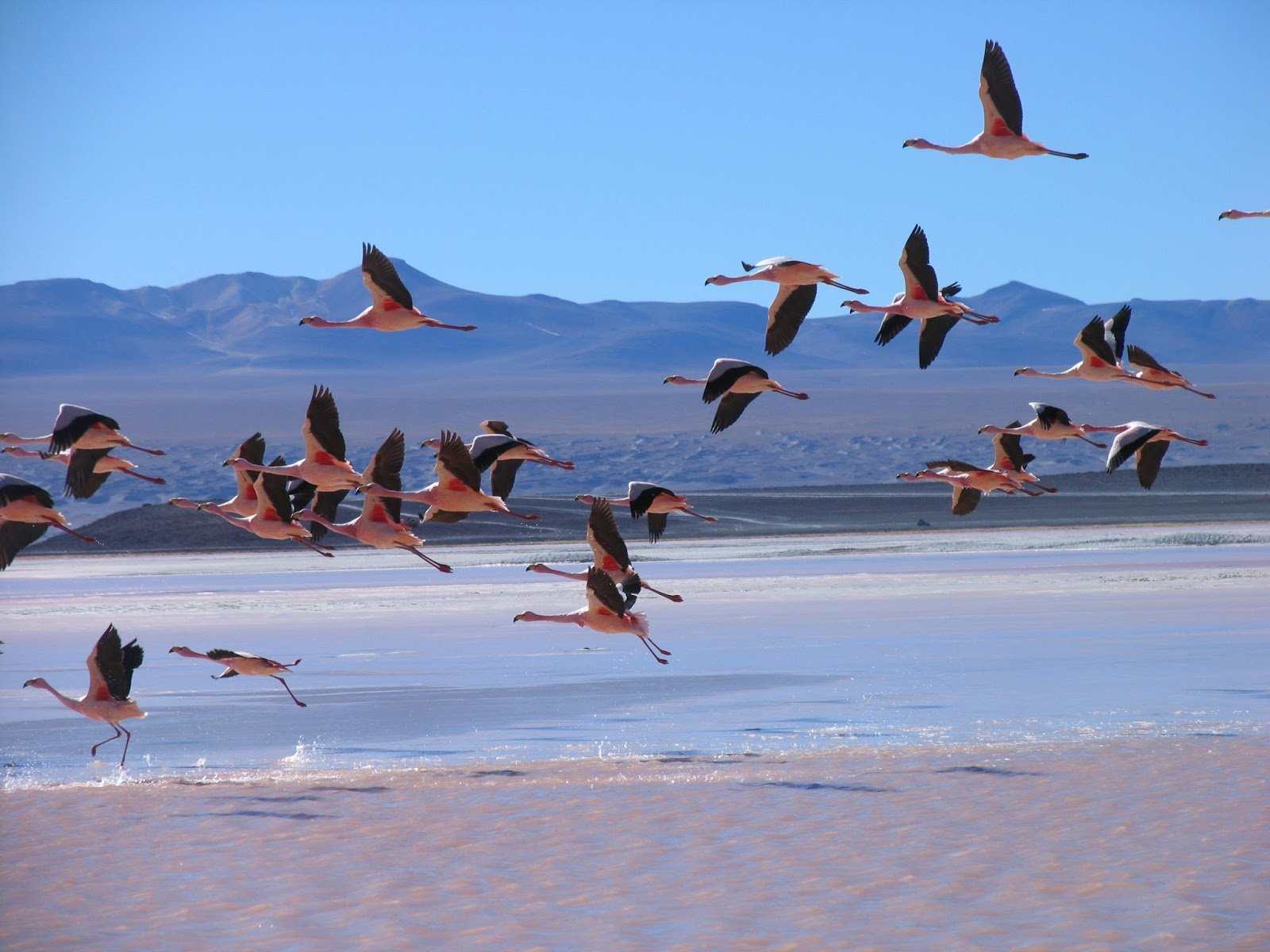
The Red Lagoon is a shallow salt lake whose waters turn deep red and pink due to the sediment and algae on the lake bed. It is home to several species of flamingos, including James’s flamingos, a species unique to the high-altitude wetlands of the Bolivian and Chilean Andes.
Located at approximately 4,900 metres above sea level, Sol de Mañana is one of the highest geothermal areas in the world. Steam vents, fumaroles, and bubbling mud pools make it one of the most dramatic landscapes in all of southwest Bolivia.
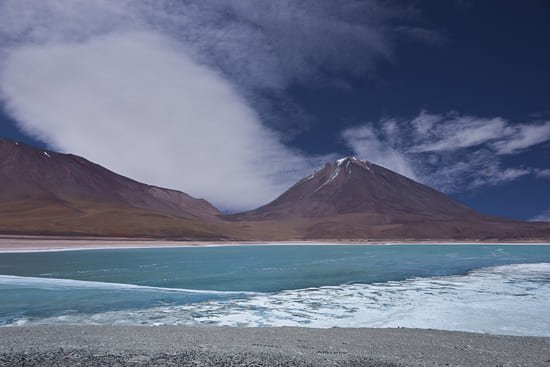
At the foot of Licancabur Volcano, Laguna Verde (the Green Lagoon) owes its distinctive emerald colour to high concentrations of arsenic, magnesium, calcium, and lead in the water. On windy days, the colours shift and intensify dramatically.
Located on the outskirts of Uyuni, the Train Cemetery contains the rusted remains of 19th and 20th century steam locomotives abandoned when the Bolivian mining industry declined. It is included in the 4-day Luxury Uyuni Experience.
The town of Uyuni has more than 90 registered tour operators, and prices for shared group tours are very low. However, low prices in Uyuni frequently come at a significant cost to comfort, safety, and experience quality.
Standard shared tours pack up to six travellers into a single 4WD vehicle, rush through sites with limited time at each stop, and operate under significant competitive price pressure that can affect driver training, vehicle maintenance, and equipment standards. The roads in southwest Bolivia are remote, rough, and in some sections reach altitudes above 5,000 metres. Safety matters.
“A private Uyuni tour with Nick’s Adventures means a dedicated vehicle, a specialist guide, and the freedom to experience southwest Bolivia at your own pace — not someone else’s schedule.”
Nick’s Adventures holds a TripAdvisor Certificate of Excellence and is rated 4.9 on Google, operating as a fully licensed Bolivia Ministry of Tourism operator based in Santa Cruz de la Sierra since 2012.
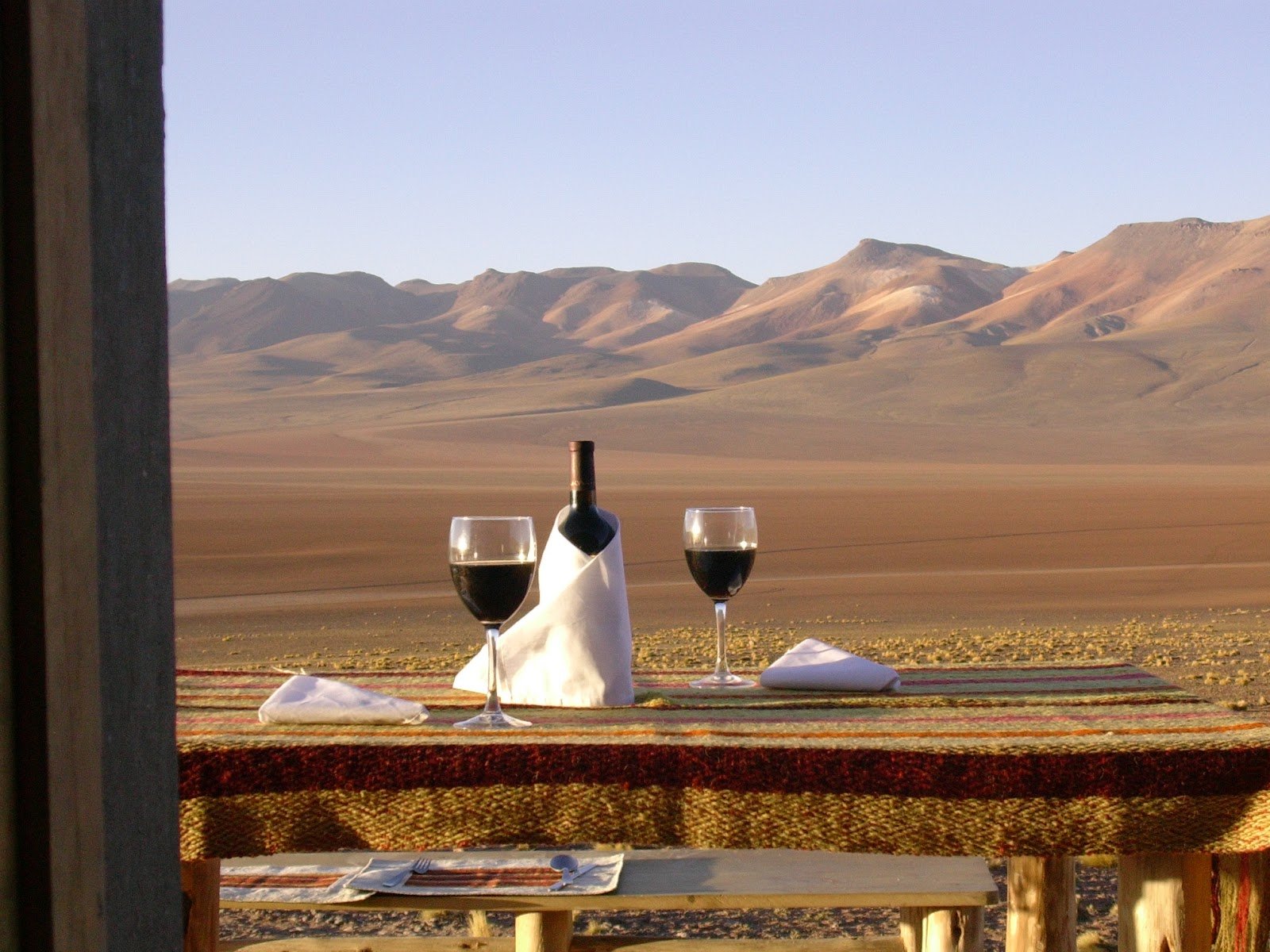
We have designed three private Uyuni experiences to suit different travel styles and schedules. All three operate as fully private journeys — no shared vehicles, no group departures, and no fixed timing.
The ideal choice for travellers with limited time. In one day, visit Colchani village, cross the Salar, reach Incahuasi Island with its 12-metre giant cacti, and end with a sunset over the salt flat. Private transportation, specialized guide, and lunch included.
For travellers who want to go beyond the Salar. This three-day private journey combines the Salar with Incahuasi Island, Galaxy Cave, Laguna Colorada, Sol de Mañana geysers at 4,900m, and Laguna Verde at the foot of Licancabur Volcano. Two nights in stone hotels in the remote highlands.
Our signature journey. Four days covering the Train Cemetery, Valley of the Rocks, Laguna Colorada, Sol de Mañana, Dalí Valley, Laguna Verde, the Salar, a traditional Andean Apthapi lunch in the middle of the salt flat, sunset with wine and snacks, and a final night at the iconic Palacio de Sal.
The Uyuni Salt Flats can be visited year-round, and both seasons offer genuinely different and spectacular experiences.
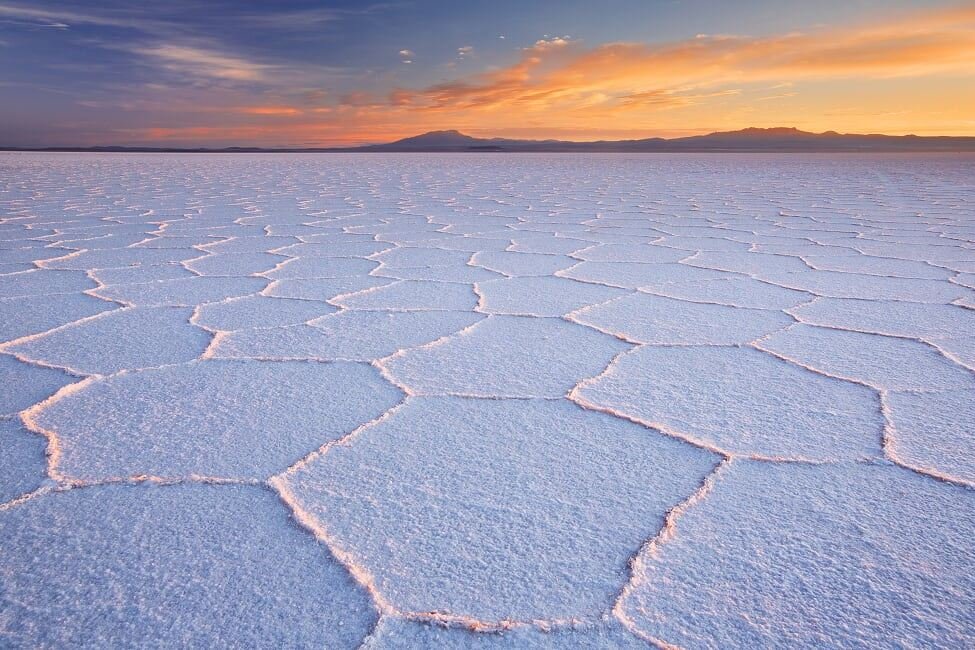
The dry season (May to November) is generally better for road access, vehicle crossings of the full Salar, and hexagonal salt pattern photography. The sky is clear, temperatures can drop significantly at night, and access to remote areas is more reliable.
The wet season (December to April) creates the famous mirror effect, when a thin layer of water covers the salt flat and reflects the sky perfectly. This phenomenon produces some of the most extraordinary photography in the natural world. For wildlife, flamingo species at Laguna Colorada are generally more active between January and March.
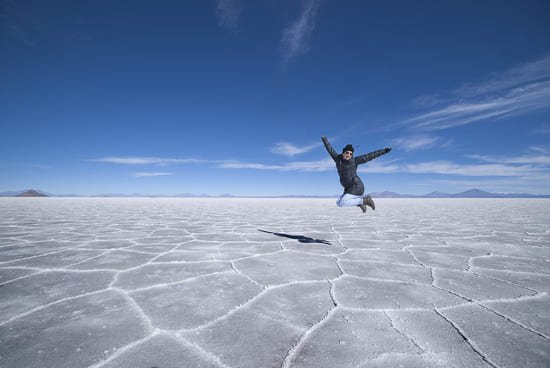
The Uyuni Salt Flats sit at 3,656 metres above sea level. On multi-day tours that include the lagoons circuit, some sections reach above 5,000 metres. Altitude sickness (soroche) is common and should be taken seriously. We recommend arriving at least one day before your tour begins, staying well hydrated, eating light meals, and avoiding alcohol initially.
Uyuni is accessible by domestic flight from La Paz (approximately 45 minutes) or by overnight bus from La Paz (approximately 10 hours) or Potosí (approximately 3 hours). Nick’s Adventures can arrange transfers from the Uyuni airport or bus terminal.
Yes. Many travellers combine Uyuni with La Paz, Sucre, Potosí, and Santa Cruz. Uyuni is also commonly combined with San Pedro de Atacama in Chile for travellers crossing the border after the lagoons circuit.
Yes. Many travellers combine Uyuni with La Paz, Sucre, Potosí, and Santa Cruz. Uyuni is also commonly combined with San Pedro de Atacama in Chile for travellers crossing the border after the lagoons circuit.
A full-day tour covers the core highlights of the Salar. Three days allows you to combine the Salar with the lagoons circuit (Laguna Colorada, Sol de Mañana, Laguna Verde). Four days is the most complete way to experience southwest Bolivia, including Altiplano communities, the Palacio de Sal, and an Andean Apthapi lunch in the middle of the Salar.

Nicholas McPhee is the Australian-born co-founder of Nick’s Adventures Bolivia, a tour operator based in Santa Cruz de la Sierra and established in 2012. He specializes in wildlife expeditions, jaguar tracking, and nature-focused travel across Bolivia.
Keep Exploring
Ready to explore Bolivia?
Whether it’s the Uyuni Salt Flats, the Amazon jungle or a jaguar sighting at the Jaguarland Reserve — Nick’s Adventures Bolivia has been crafting unforgettable experiences since 1989.