
Nocturnal Wildlife Safari in Santa Cruz
Nocturnal Wildlife Safari in Santa Cruz
Discover Bolivia After Dark · Thermal Imaging · UV Lights · Specialist Guide & Local Biologist · Chiquitano Dry Forest
Overview
A Specialist Night Wildlife Walking Tour Near Santa Cruz
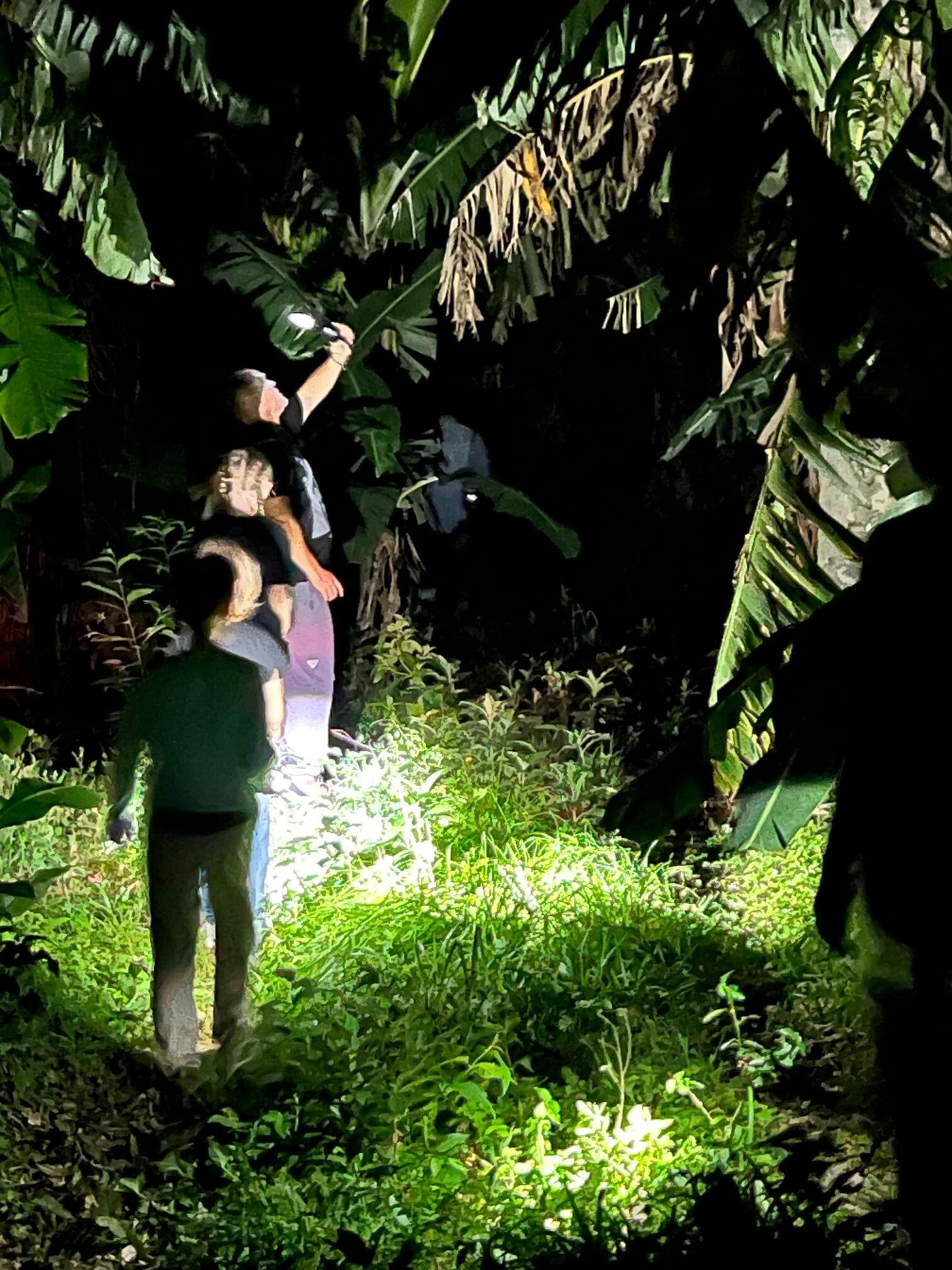
Experience the incredible world of Bolivia’s nocturnal wildlife on a unique nighttime walking safari through the Chiquitano Dry Forest near Santa Cruz de la Sierra.
Developed by Nick’s Adventures Bolivia, pioneers in specialist mammalwatching and wildlife tourism, this experience combines advanced thermal imaging technology, specialist flashlights, UV lights, an experienced wildlife guide and a local biologist to discover the extraordinary animals that emerge after sunset.
From elusive night monkeys, Brazilian porcupines and mouse opossums to wandering spiders, tarantulas, scorpions, frogs and owls, there’s an incredible variety of wildlife to discover. Unlike conventional nighttime walks, our pioneering nocturnal safari uses modern wildlife observation technology and expert local knowledge to search for species that are often difficult to encounter during daylight hours.
Whether you’re a dedicated wildlife enthusiast, a family with children or simply looking for unique things to do in Santa Cruz, this is a one-of-a-kind opportunity to discover Bolivia after dark.
Contact Nick’s Adventures Bolivia for tour prices, availability and reservations. Departure and return times are approximate and may vary with hotel location, traffic, weather and wildlife activity.
destination type
- Private nature reserve near Santa Cruz
- Chiquitano Dry Forest habitats
- Night walking safari on forest trails
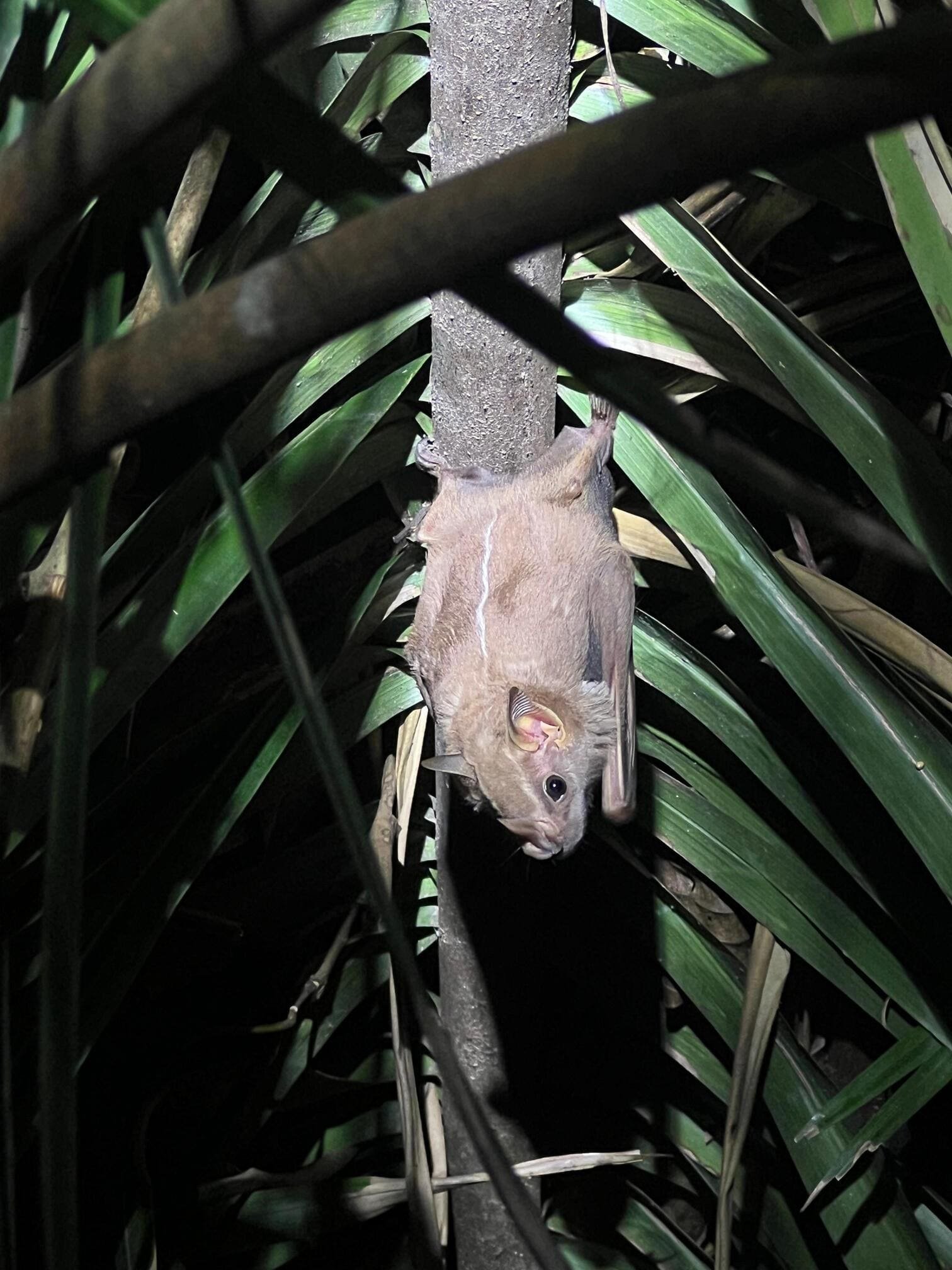
- Nocturnal mammals, birds, reptiles, amphibians & invertebrates
departure
- Pickup: 7:00 PM from your hotel in Santa Cruz de la Sierra
- Transfer: approx. 20–30 minutes each way
- Return: approx. 9:30–10:00 PM
- Hotel drop-off included
included
- Hotel pickup and drop-off in Santa Cruz
- Specialist wildlife guide
- Local biologist
- Thermal imaging devices
- UV lights and specialist flashlights
- Approx. two-hour guided nocturnal walking safari
good to know
- Children must be accompanied by adults
- Be comfortable walking in natural habitats after dark
- Follow the guides' safety instructions at all times
- A portion of proceeds supports wildlife rescues & relocations
wildlife highlights
Key Species on the Night Safari
mammals
- Azara's Night Monkey
- Brazilian Porcupine
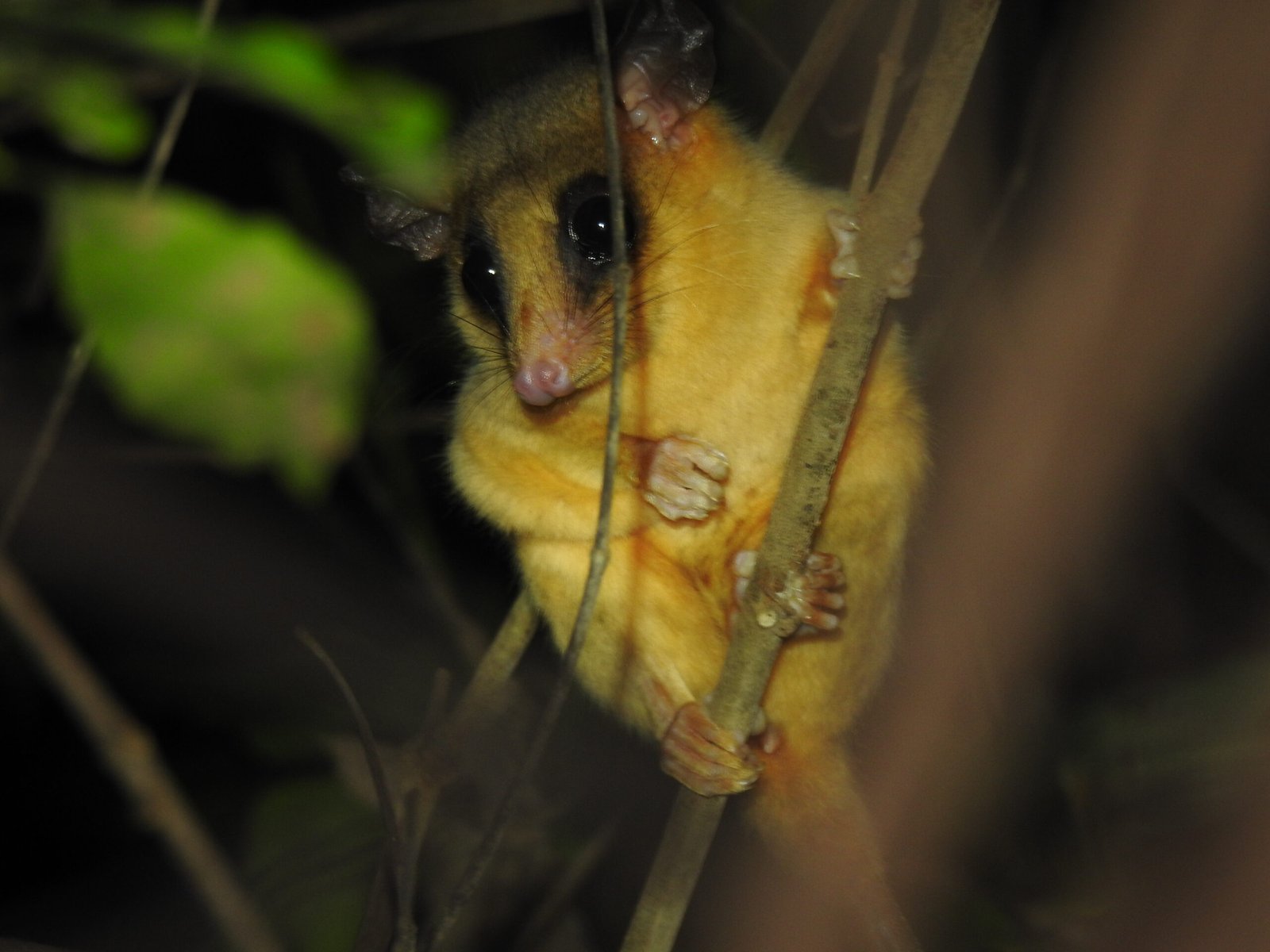
- Mouse Opossums & other opossum species
- Three-toed Sloth
- Crab-eating Fox
- Nine-banded Armadillo (rare)
birds, reptiles, amphibians & invertebrates
- Owls & Great Potoo (rare)
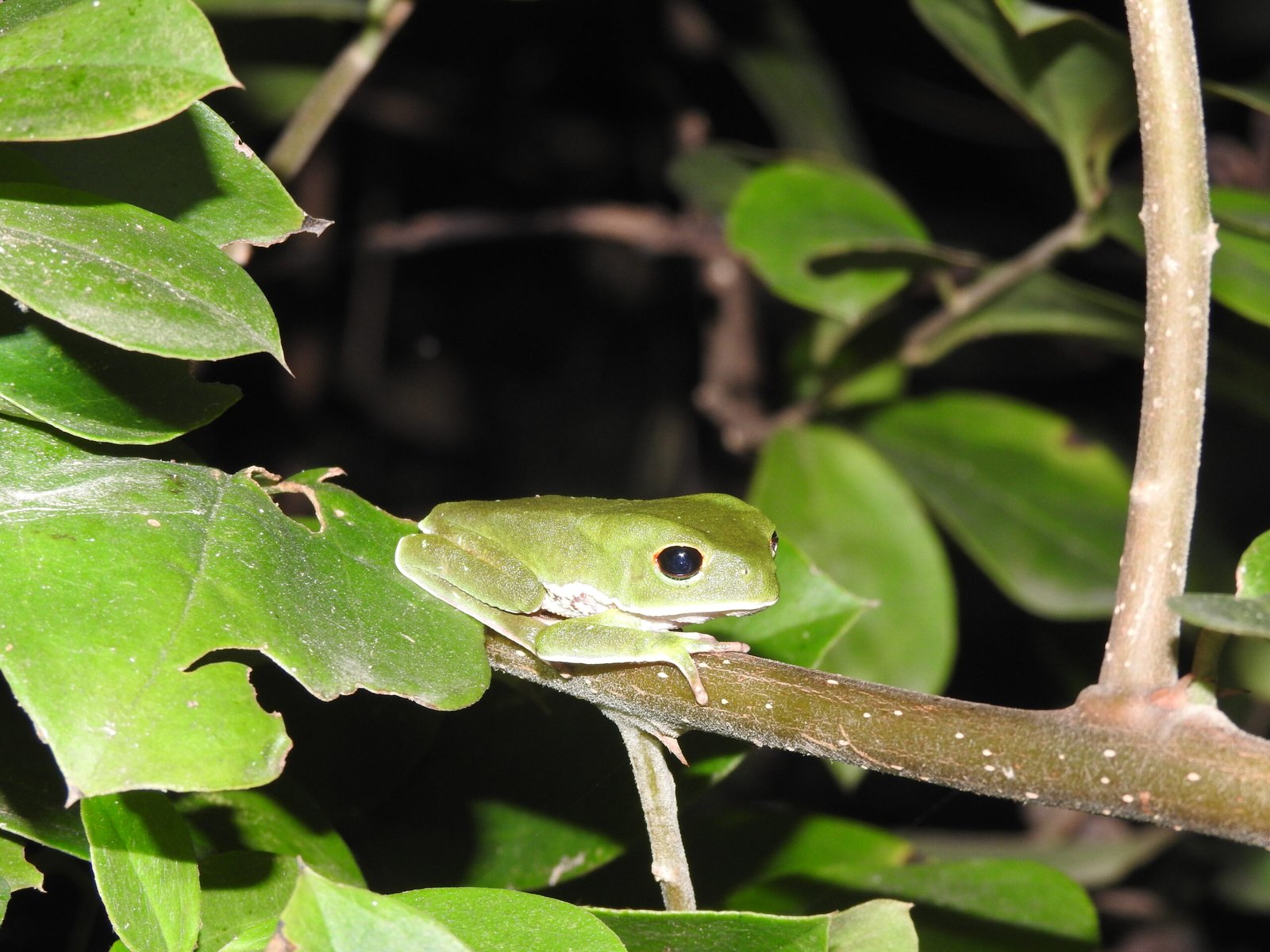
- Monkey Frogs, Tree Frogs & Toads
- Snakes
- Golden-knee Tarantulas
- Wandering Spiders (Phoneutria)
- Scorpions (fluorescent under UV light)
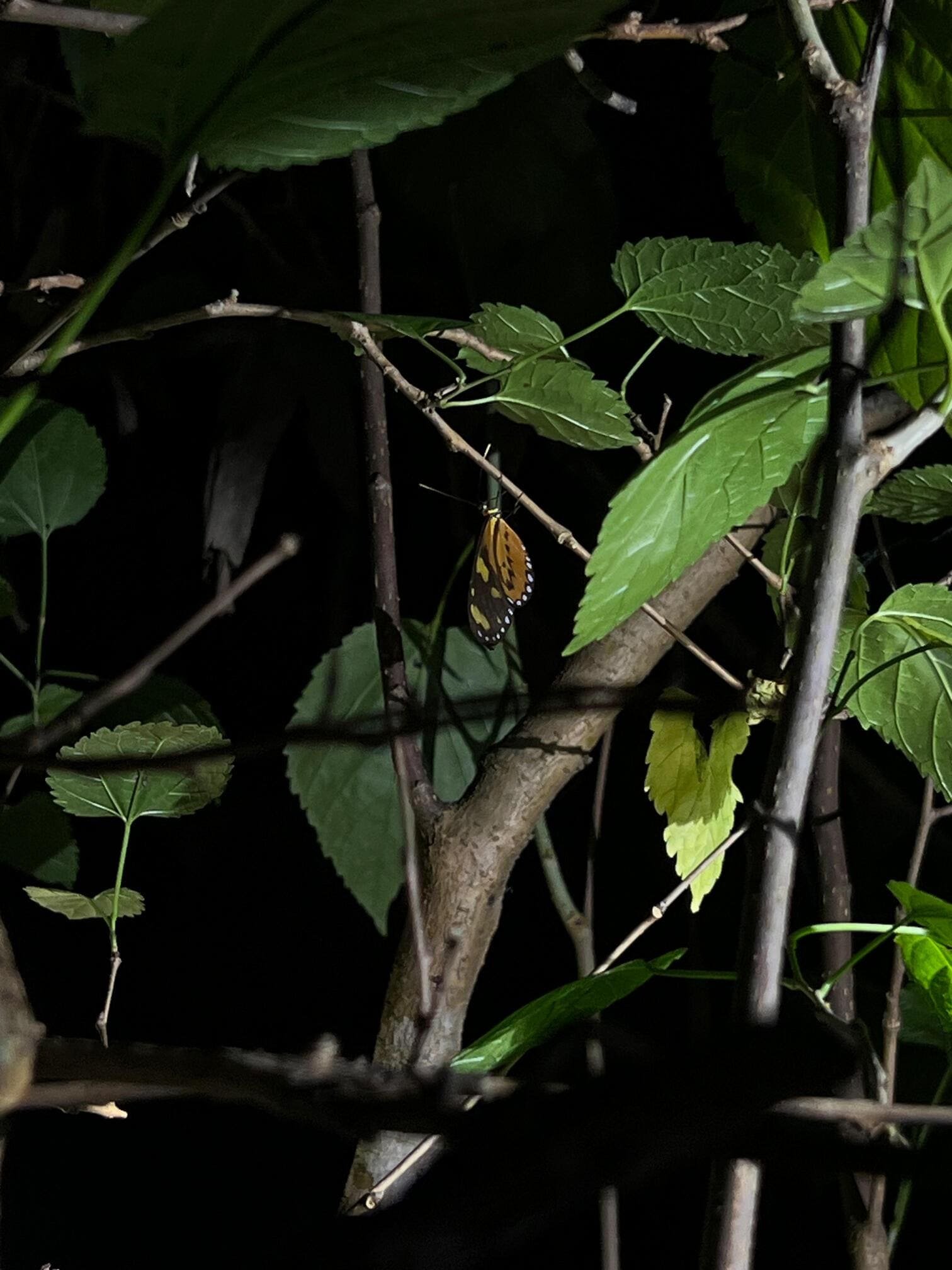
- Beetles, moths, katydids & mantises
highlights
Nocturnal Wildlife Safari – Tour Itinerary
01
Your adventure begins with pickup from your hotel or accommodation in Santa Cruz de la Sierra.
From here, we travel approximately 20–30 minutes, depending on your hotel location, to a private nature reserve on the outskirts of the city.
02
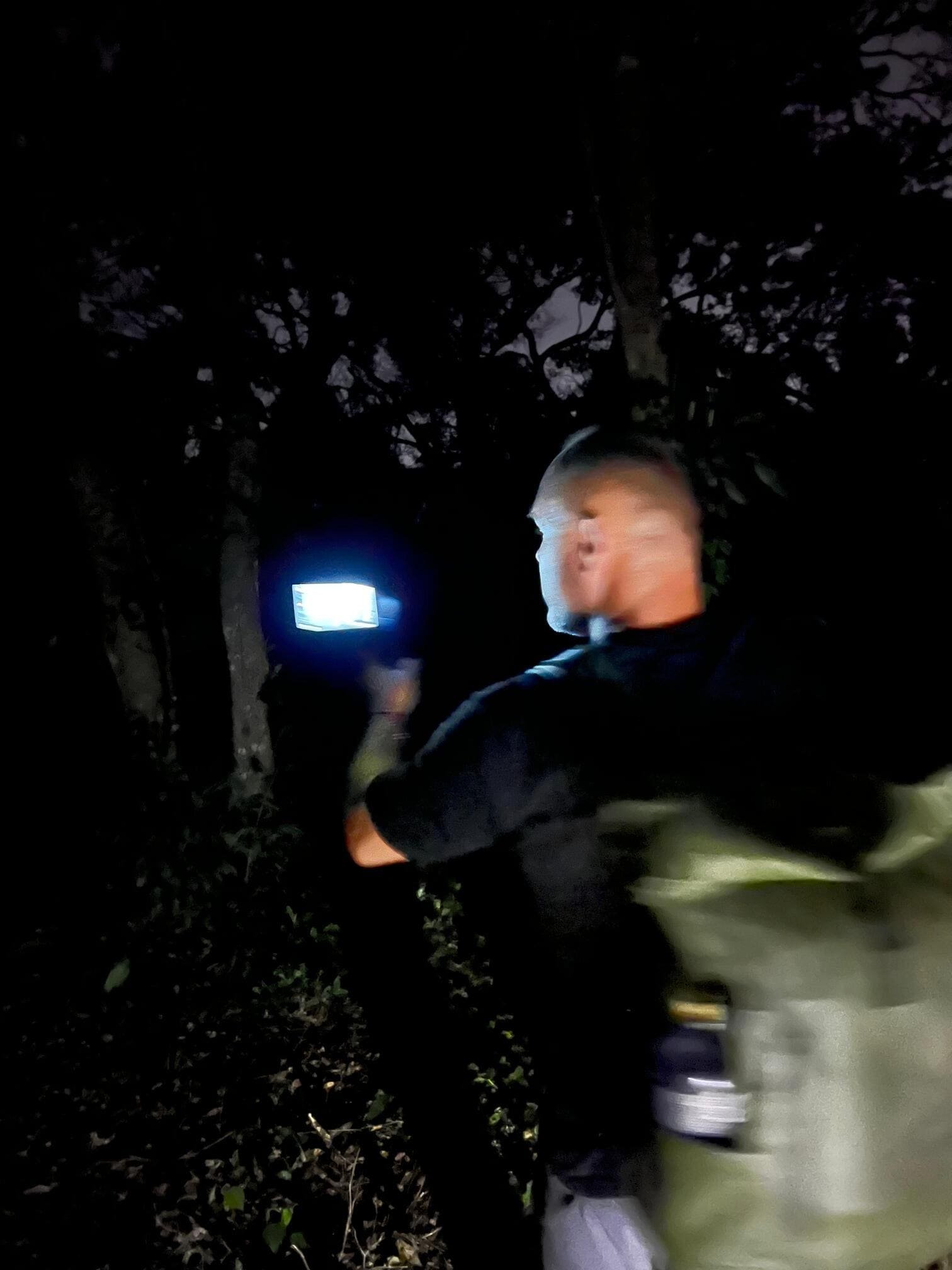
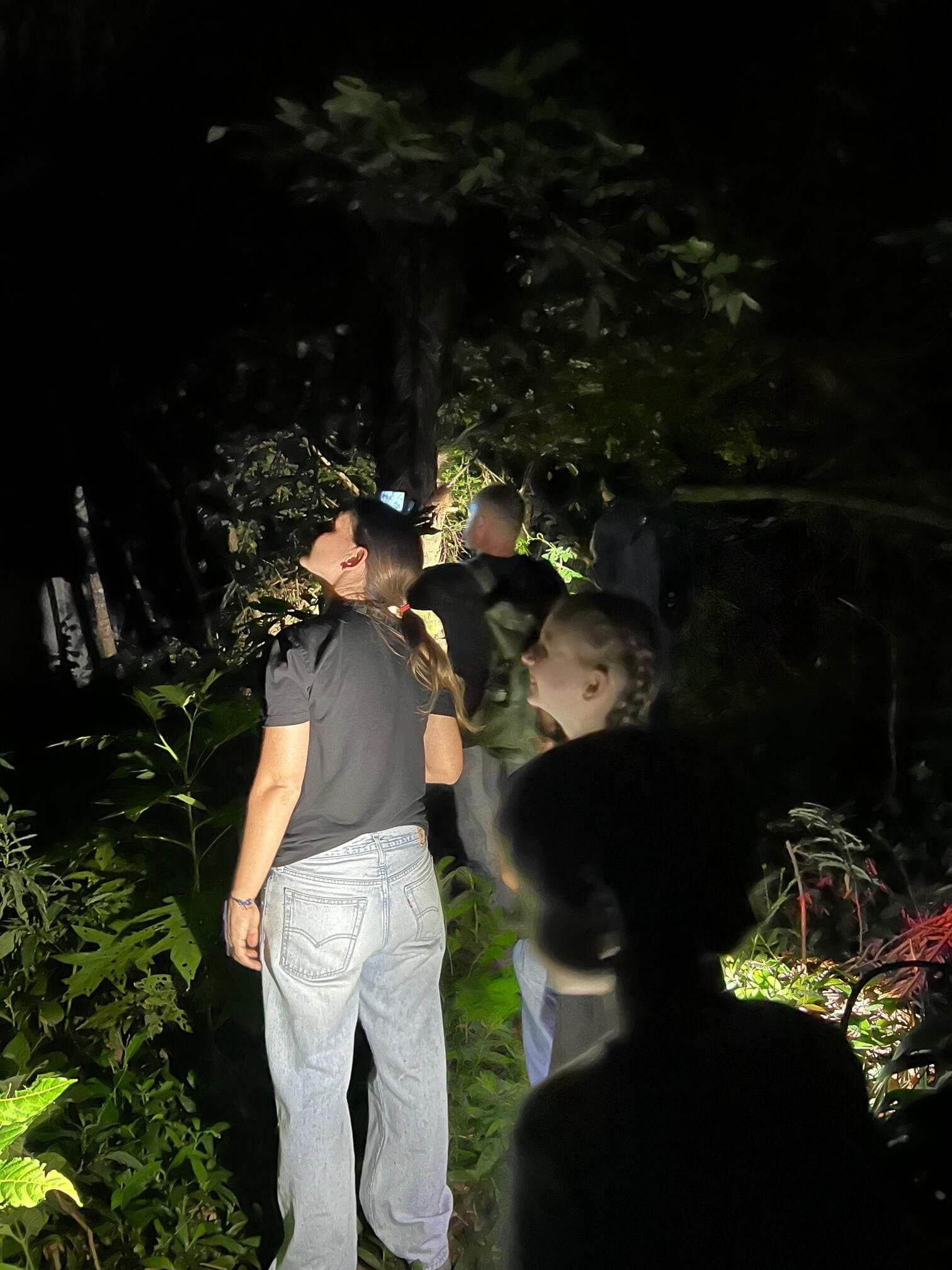
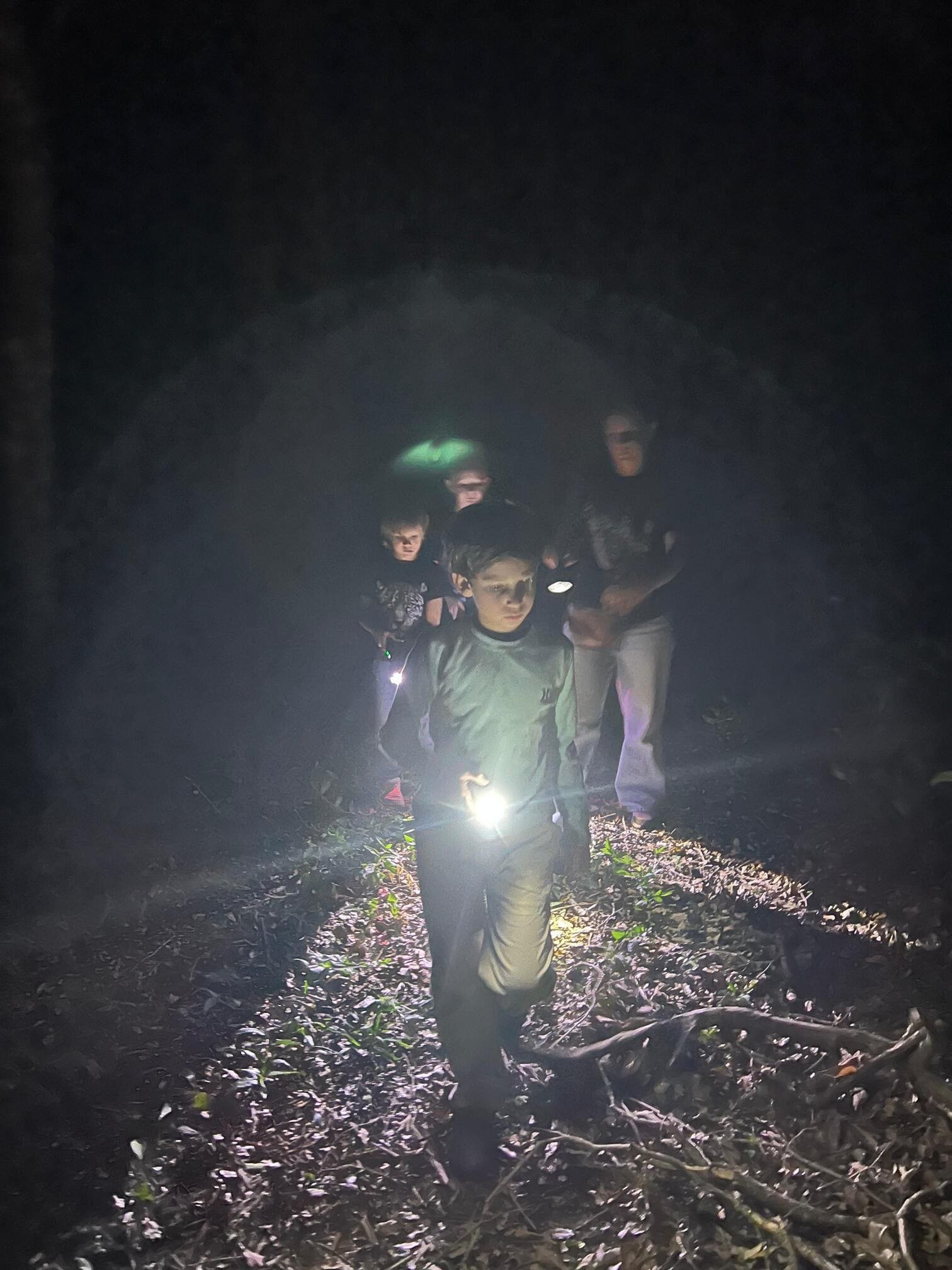
Upon arrival, we meet our local biologist and begin our approximately two-hour guided nocturnal walking safari. We explore forest trails and surrounding natural habitats, searching for wildlife using thermal imaging technology, specialist flashlights and UV equipment.
Our main mammal targets include mouse opossums and other opossum species, Azara’s night monkeys, Brazilian porcupines and three-toed sloths. With luck, we may also encounter crab-eating foxes or even the elusive nine-banded armadillo.
Along the way, we investigate the forest floor, vegetation and canopy in search of tree frogs, monkey frogs, wandering spiders, tarantulas, scorpions, snakes, owls, nocturnal insects and countless other fascinating creatures.
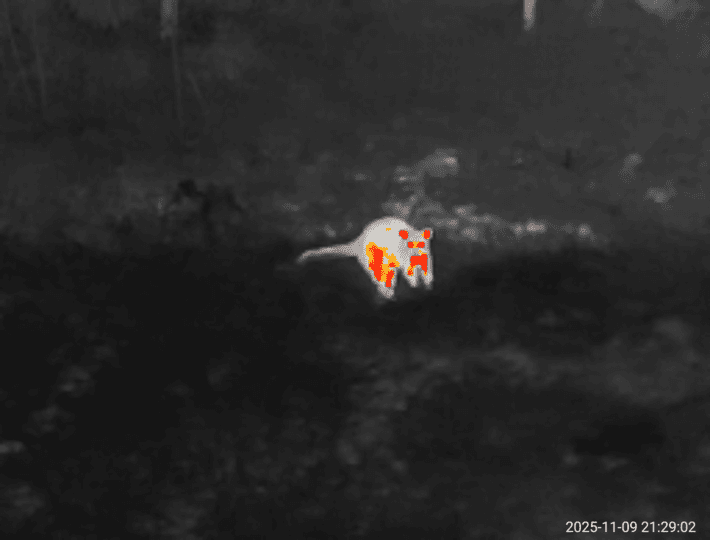
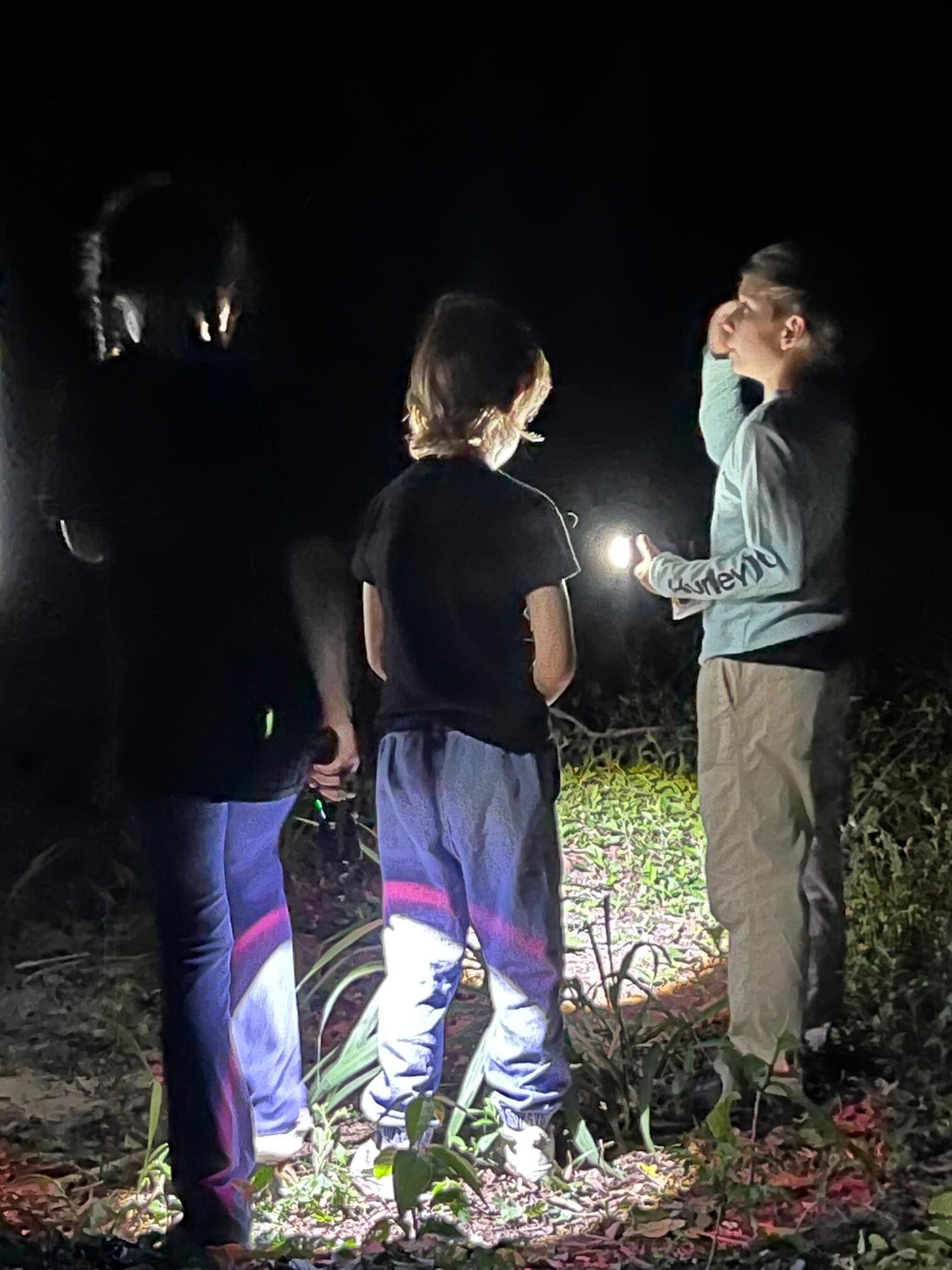
Our specialist wildlife guide and local biologist help identify the animals we encounter, explain their behavior and share interesting information about the region’s biodiversity. The pace is relaxed, allowing time for wildlife observation, photography and questions.
03
After approximately two hours of exploring the reserve, we return to our vehicle for the drive back to Santa Cruz. Hopefully, you’ll return with wonderful wildlife photographs, new knowledge and lasting memories of Bolivia after dark.
Hotel drop-off is included in the tour schedule. Departure and return times are approximate and may vary with hotel location, traffic, weather and wildlife activity.
the habitat
Discover the Incredible Wildlife of the Chiquitano Dry Forest
One of the most fascinating aspects of this nocturnal wildlife tour is the opportunity to explore the remarkable Chiquitano Dry Forest, one of Bolivia’s most distinctive tropical forest ecosystems.
Found predominantly in eastern Bolivia, with smaller extensions into Brazil, this forest supports an extraordinary diversity of wildlife and forms important transitions with surrounding Chaco, savanna and other tropical habitats. These environments provide opportunities to encounter species associated with different ecosystems, including some remarkable small mammals and nocturnal creatures.
Nocturnal Mammals
Mammal watching is one of the main highlights of our nighttime safari. Potential sightings include:
- Azara’s night monkey: a fascinating primate with large eyes, sometimes encountered moving through the forest canopy.
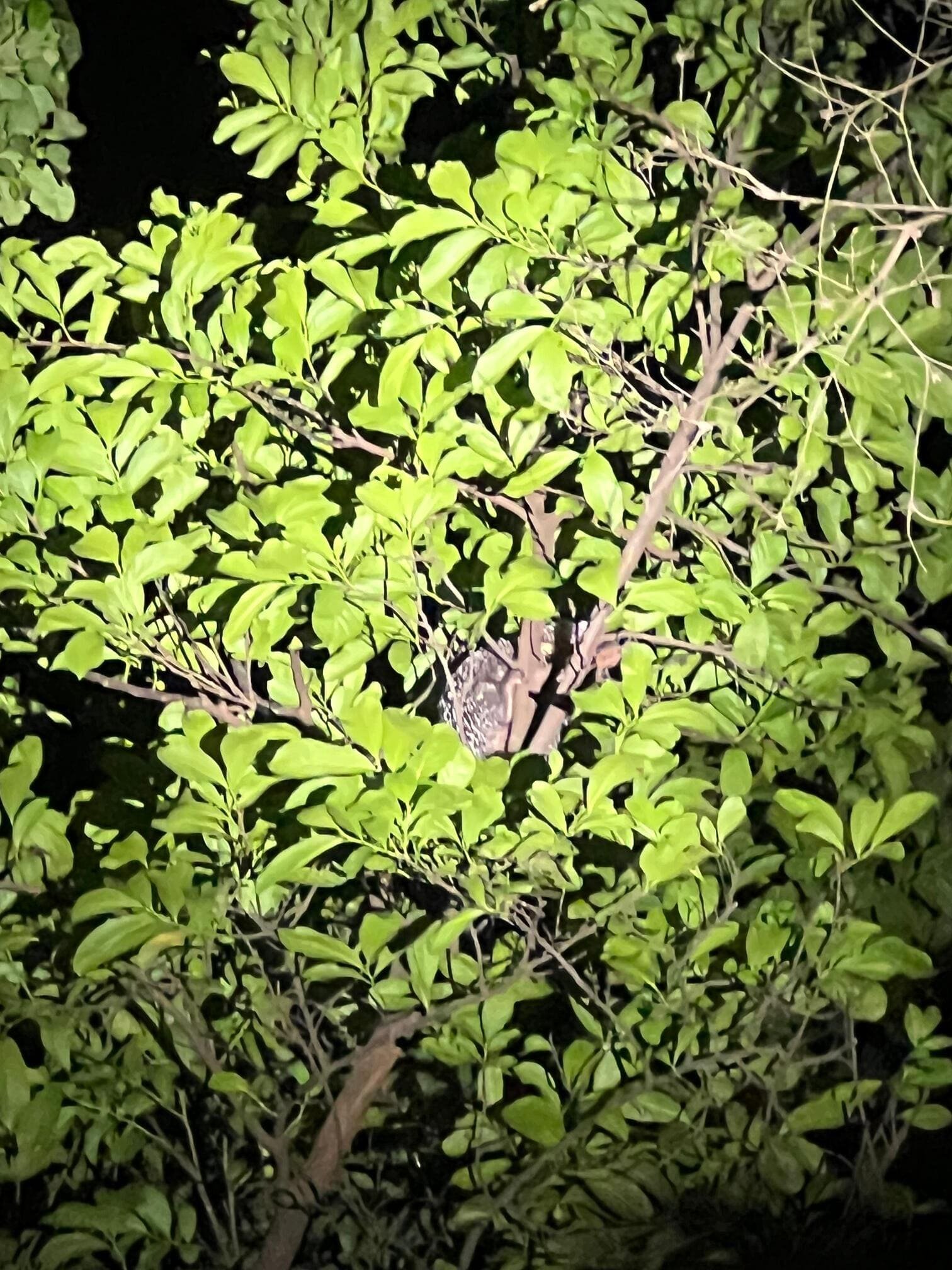
- Brazilian porcupine: an unusual nocturnal mammal that uses its prehensile tail to climb through trees.
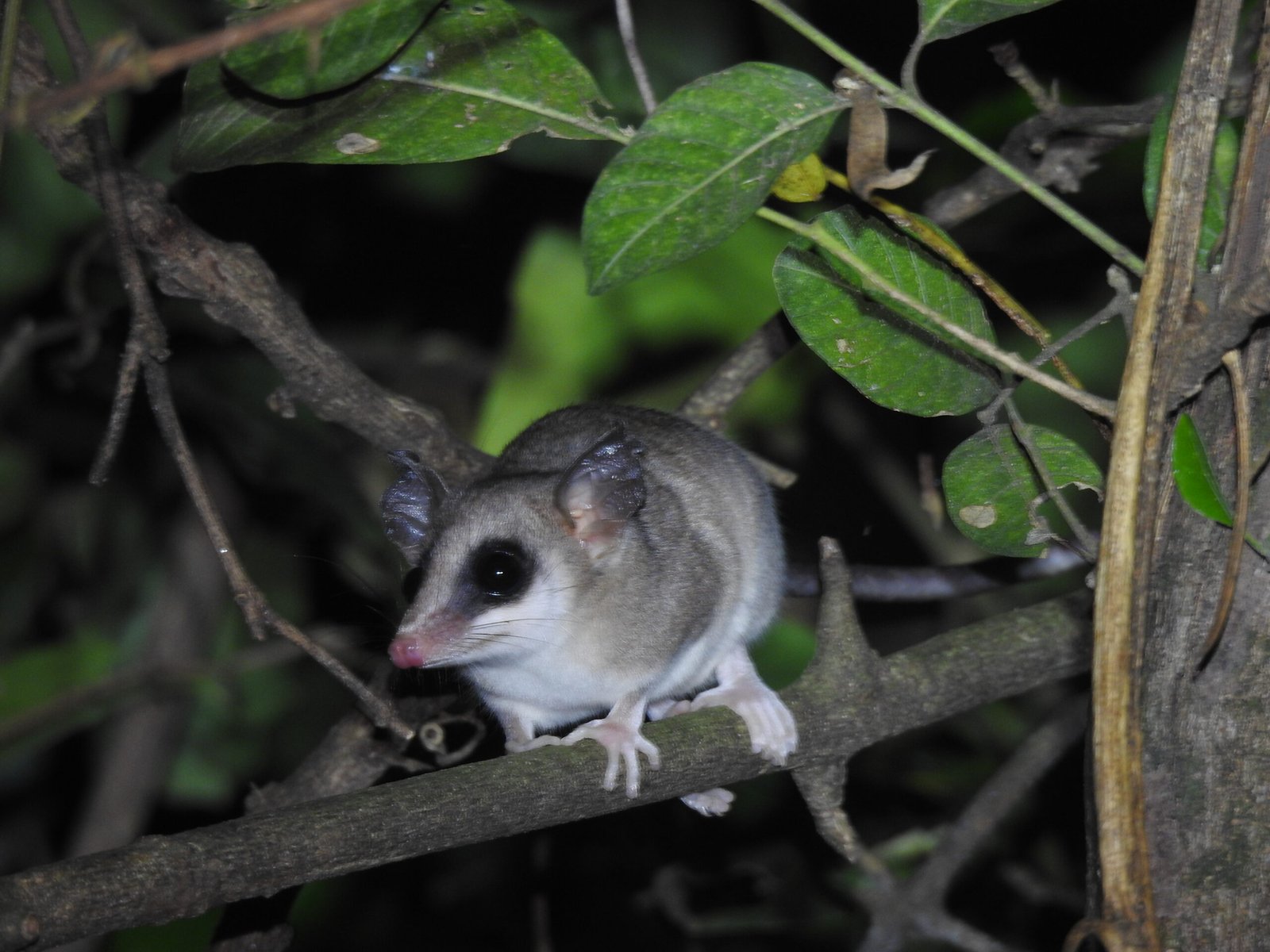
- Opossums: up to four different species may be encountered, including small mouse opossums associated with the region’s forests and transitional habitats.
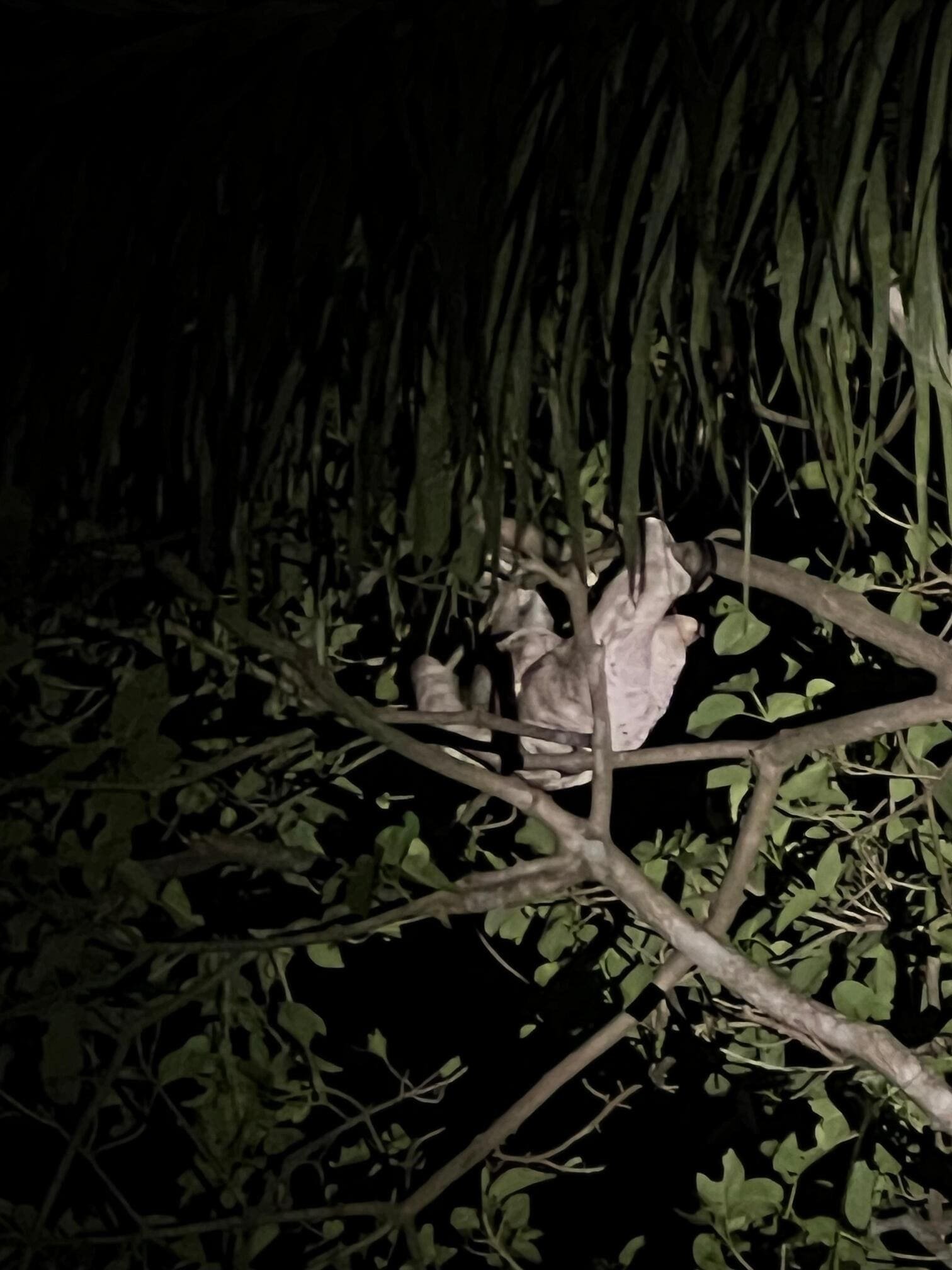
- Three-toed sloth: one of Santa Cruz’s most iconic wild animals, occasionally observed after sunset.
- Crab-eating fox: a fascinating South American wild canid that may occasionally be encountered during nighttime wildlife searches.
- Nine-banded armadillo: a rare encounter with one of South America’s most unusual mammals.
These elusive species make our tour especially interesting for wildlife enthusiasts and travelers interested in specialized mammal watching in Bolivia.
Tarantulas, Wandering Spiders and Scorpions
The Chiquitano forest comes alive after sunset with an extraordinary assortment of invertebrates. We search for impressive golden-knee tarantulas, wandering spiders, including the infamous banana spider (Phoneutria), and different species of scorpions.
One particularly fascinating experience is using UV lights to discover scorpions, many of which fluoresce beneath ultraviolet illumination. Our guides explain the behavior and ecological importance of these often-misunderstood animals while ensuring they are observed from a safe distance.
Frogs, Snakes and Other Nocturnal Wildlife
Our night safari also offers an exciting introduction to herping, the search for reptiles and amphibians in their natural habitats. Depending on seasonal and weather conditions, we may encounter monkey frogs, tree frogs, toads and different species of snakes. Occasionally, venomous pit vipers, including fer-de-lance-type snakes, may also be encountered.
The forest also supports an incredible variety of beetles, moths, katydids, mantises and other nocturnal insects that form an essential part of the local ecosystem.
Owls and the Mysterious Great Potoo
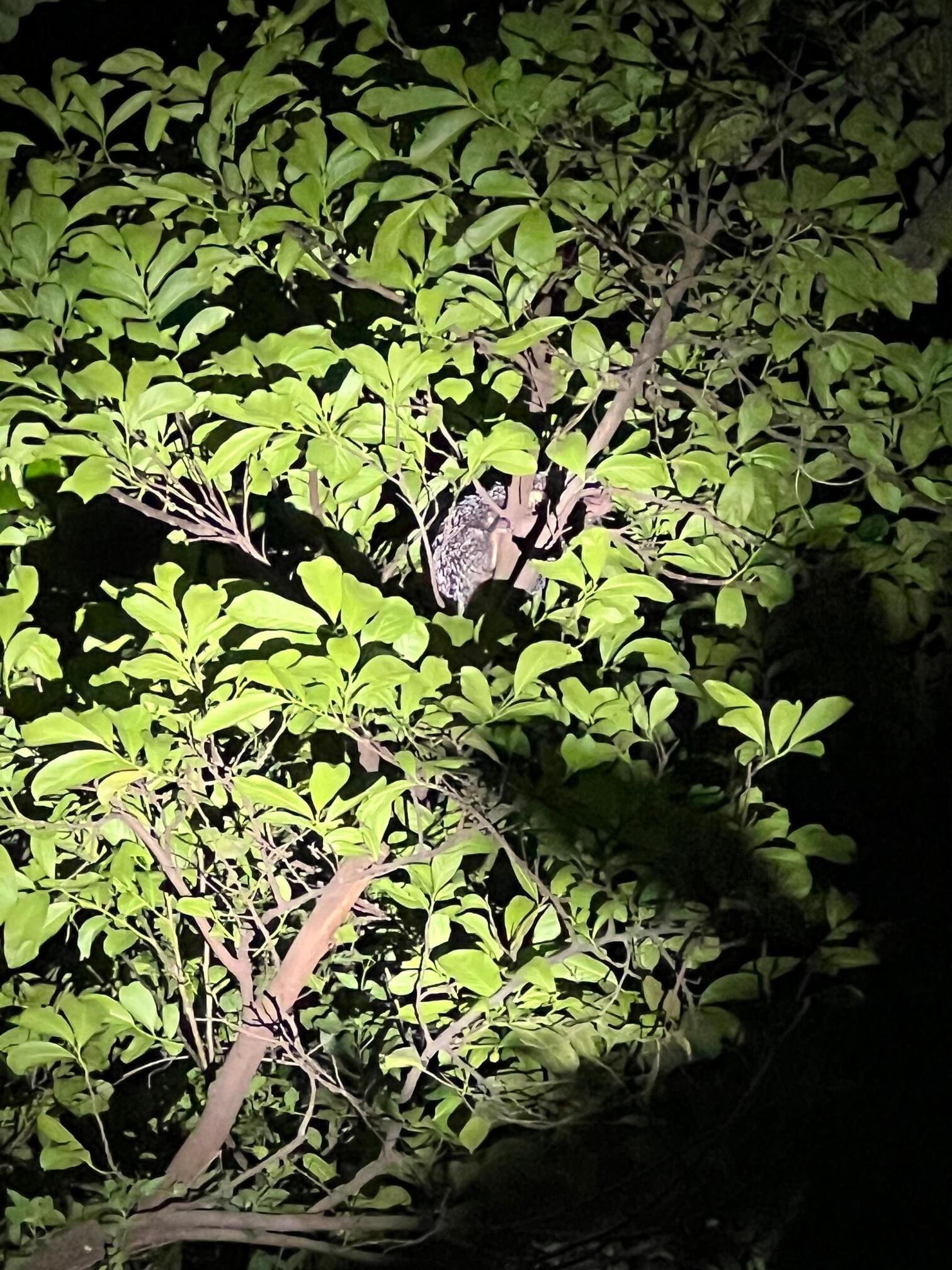
The surrounding habitats also provide opportunities to observe nocturnal birds, including different species of owls. With exceptional luck, we may even encounter the extraordinary great potoo, one of South America’s most fascinating nocturnal birds, famous for its remarkable camouflage and unusual appearance.
our approach
A Pioneering Night Safari Using Thermal Imaging Technology
What makes our nocturnal wildlife experience different from an ordinary night walk? Our specialist guides combine years of wildlife field experience with modern thermal imaging technology to help detect warm-blooded animals that might otherwise remain hidden in the darkness.
These devices help identify heat signatures from mammals moving through vegetation or resting in trees, while UV lights and conventional flashlights allow us to explore the fascinating world of spiders, scorpions, frogs and other nocturnal creatures.
Developed by Nick’s Adventures Bolivia, an experienced pioneer in thermal-assisted wildlife safaris and specialist mammal watching expeditions, this innovative experience introduces visitors to a different approach to wildlife observation in Santa Cruz.
for familiestravel advisory
A Fantastic Family-Friendly Activity in Santa Cruz
Looking for something unusual and exciting to do in Santa Cruz with your children? Our nocturnal wildlife safari offers families a wonderful opportunity to explore nature together while discovering some of Bolivia’s most fascinating creatures.
Imagine your children’s excitement as they spot a night monkey in the canopy, discover a glowing scorpion beneath a UV light or learn how a porcupine survives high in the trees. Accompanied by our specialist wildlife guide and local biologist, the experience is both educational and entertaining, helping children develop an appreciation for biodiversity, wildlife conservation and the natural world.
It’s an excellent activity for families, couples and visitors of different ages. Children must be accompanied by adults, and participants should be comfortable walking through natural habitats after dark while following safety instructions.
conservation
Wildlife Tourism That Supports Conservation
At Nick’s Adventures Bolivia, protecting wildlife is an important part of what we do. A portion of the proceeds from every nocturnal wildlife safari goes directly towards supporting wildlife rescues and relocations as part of our ongoing conservation efforts.
As Santa Cruz continues to expand, urban development, deforestation and habitat fragmentation place increasing pressure on native wildlife and the ecosystems they depend upon. Through responsible tourism, wildlife education and practical conservation initiatives, we aim to demonstrate that nature tourism can contribute positively to protecting Bolivia’s remarkable biodiversity.
By joining our safari, you’re not only discovering incredible wildlife but also supporting efforts to protect the animals and natural habitats that make Santa Cruz so special.
Helping Bolivia Become a World-Class Wildlife Destination
Countries such as Costa Rica have demonstrated how wildlife tourism can help protect biodiversity while creating extraordinary experiences for international travelers. We believe Bolivia has equally exciting potential to become one of South America’s leading wildlife destinations.
From the Amazon rainforest and Chiquitano Dry Forest to the Gran Chaco, Beni wetlands and Andean cloud forests, Bolivia contains an incredible diversity of ecosystems and wildlife. Nick’s Adventures Bolivia has spent years developing specialist wildlife and mammalwatching expeditions throughout the country. Our Santa Cruz Nocturnal Wildlife Safari is part of a broader vision to introduce specialist nighttime wildlife experiences across different regions of Bolivia, combining modern technology, knowledgeable local guides and conservation-focused tourism.
Why book with us
- Available 24/7
- Hand-picked Tours Only
- Hotel Pickup Included
book this adventure
Get a question ?
Our team replies within a few hours. We also speak Spanish and English.

Frequently Asked Questions
Potential sightings include Azara's night monkeys, Brazilian porcupines, mouse opossums and other opossum species, sloths, crab-eating foxes, frogs, tarantulas, scorpions, snakes and nocturnal birds. Rare encounters may include great potoos and nine-banded armadillos.
Approximately three hours, from 7:00 PM to 10:00 PM, including hotel pickup, return transportation and around two hours of guided nocturnal wildlife exploration.
Yes. The experience offers opportunities to photograph nocturnal wildlife, although lighting conditions, animal behavior and vegetation may affect photography.
Yes. A portion of the tour proceeds directly contributes to wildlife rescue and relocation efforts supported by Nick's Adventures Bolivia.