1. An Extraordinary Diversity of Ecosystems in One Country
Few South American countries offer such striking contrasts in natural landscapes as Bolivia.
In the northwest, Madidi National Park encompasses environments ranging from the Amazon lowlands to the high Andes. According to the Wildlife Conservation Society, this protected area spans an elevation range of nearly 6,000 meters and is considered one of the most biodiverse places on Earth.
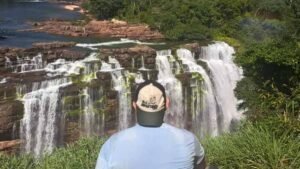
Further east, the landscape changes dramatically. The dry forests of the Gran Chaco contrast with the wetlands of Beni and the Bolivian Pantanal, while the cloud forests of Amboró offer entirely different conditions. In the Altiplano, high-altitude lagoons, grasslands, and salt flats complete this diverse natural landscape.
This variety goes far beyond scenery. Each environment supports species adapted to its particular conditions, from large mammals in the lowlands to birds and other wildlife found in the Andean regions.
One of the things that surprised me most when I first started exploring Bolivia was the sheer extent of these ecosystems and how little some of them were known outside the country. Before moving here, I had barely heard of regions such as Chiquitanía or the Gran Chaco. After years of exploring them, there are still places I want to get to know better.
2. The Opportunity to See Wildlife in Its Natural Habitat
Bolivia offers opportunities to observe everything from big cats to lesser-known mammals, in environments as different as the dry forests of the Chaco and the wetlands of Beni.
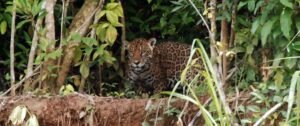
The jaguar is often one of the main attractions, particularly for wildlife enthusiasts and nature photographers. But Bolivia’s mammal diversity extends far beyond its big cats.
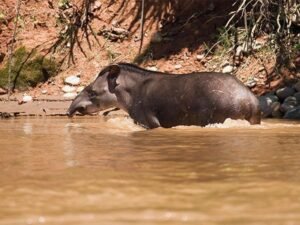
Different regions are home to pumas, ocelots, tapirs, giant anteaters, armadillos, monkeys, giant otters, and many other species that can be difficult to encounter in the wild.
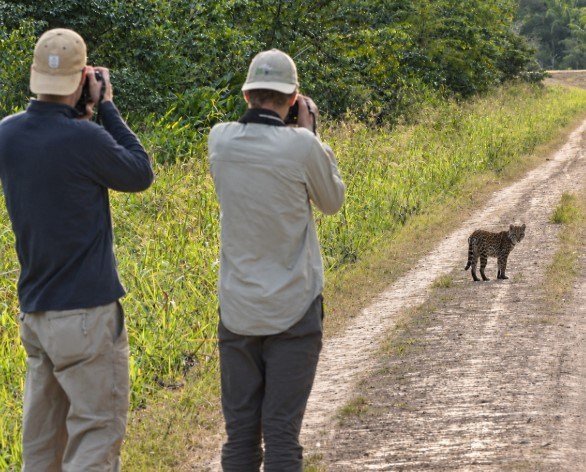
During an expedition through the wetlands of Beni, we set out to find a maned wolf (Chrysocyon brachyurus), a long-legged canid that inhabits the grasslands and savannas of South America. For several days, we searched the reserve at dawn and again in the late afternoon. We saw giant anteaters, macaws, and other wildlife, but there was no sign of the animal we were looking for. The reserve manager had told us he had worked there for four years without ever seeing one.
Just as we were beginning to lose hope, a maned wolf appeared on our final morning. We were so surprised that we almost forgot to take photographs.
That’s one of the things I enjoy most about exploring Bolivia: you never know exactly what you’re going to encounter.
This footage from Nick’s Adventures Bolivia shows a maned wolf attempting to hunt a pampas deer at Barba Azul Nature Reserve in Beni, offering a rare glimpse of wildlife behavior in Bolivia’s savannas.
Although wildlife sightings can never be guaranteed, Bolivia offers excellent opportunities to observe animals living freely in their natural habitats. Choosing the right locations, allowing enough time for exploration, and traveling with experienced wildlife guides can improve the chances of encountering particular species.
For travelers interested in these experiences, specialist wildlife tours in Bolivia offer opportunities to explore different regions according to the animals they hope to see.
3. A Fascinating Destination for Birdwatchers
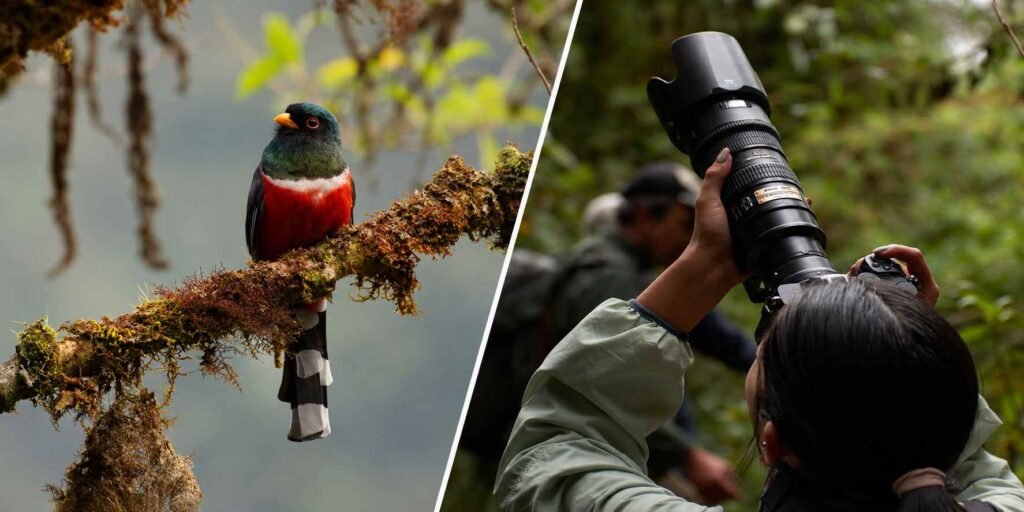
For birdwatching enthusiasts, one of Bolivia’s greatest attractions is the variety of species found across its tropical lowlands and Andean environments.
Macaws, toucans, hummingbirds, tanagers, birds of prey, and numerous waterbirds are all part of the country’s rich birdlife. The diversity of habitats means that very different bird communities can be found, sometimes even within the same region.
Among the most remarkable species is the blue-throated macaw (Ara glaucogularis), endemic to Bolivia and classified as Critically Endangered. According to the American Bird Conservancy, its range is restricted to the Llanos de Moxos in the Beni Department, where it inhabits forest islands and palm groves surrounded by seasonally flooded savannas.
Other species, such as the Andean condor, are associated with mountainous environments, while the Amazon rainforest and cloud forests support birds rarely found in more open landscapes.
But the appeal goes beyond finding rare species. The experience of birdwatching itself changes from one habitat to another. Listening for and identifying birds by their calls in dense forest is very different from photographing macaws in flight or waterbirds in the wetlands.
This makes Bolivia appealing both to experienced birders hoping to add particular species to their life lists and to travelers who simply want to discover the country’s remarkable bird diversity.
Birdwatching tours in Bolivia can be tailored to different experience levels and interests, from introductory outings to expeditions focused on specific species.
4. Different Ways to Explore and Experience Nature
One of the most interesting things about Bolivia is that exploring its natural environments involves much more than hiking through a national park or going on a wildlife safari.
In some regions, exploration takes place by boat, navigating rivers and lagoons while scanning the banks for caimans, capybaras, birds, and other animals that depend on aquatic habitats.
Elsewhere, it means following forest trails, identifying tracks, listening for animal calls, and learning to recognize the signs left behind by species that are rarely seen directly.
Expeditions along remote tracks and through dry forests offer another perspective. Searching for large mammals can involve long days in the field, careful attention to tracks and other signs, and exploring at different times of day.
There are also opportunities for wildlife photography, where patience, an understanding of animal behavior, and being in the right place at the right time can be just as important as photographic equipment.
Over the years, I’ve learned that the same destination can offer very different experiences depending on how you explore it and what you hope to discover.
For some travelers, the highlight might be finally seeing an animal they’ve wanted to encounter for years. For others, it could be navigating an Amazonian river at sunrise, listening to the sounds of the forest, or discovering species they had never heard of before.
This variety of experiences allows travelers to discover Bolivia from many different perspectives, even when nature is their main interest.
5. Vast Natural Areas Beyond the Usual Tourist Routes
Many international itineraries through Bolivia focus on destinations such as Uyuni, La Paz, and Lake Titicaca. Yet the country also has extensive natural regions that receive far fewer visitors.
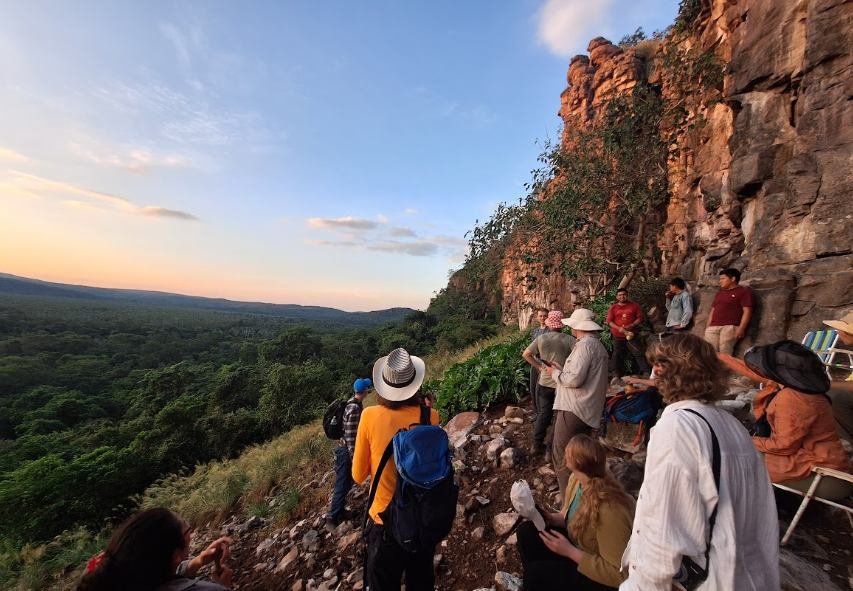
Places such as Kaa-Iya National Park, in the Gran Chaco, offer the chance to explore vast areas of dry forest, while parts of Beni and Chiquitanía provide experiences far removed from the more established tourist circuits.
During my early explorations, I came across landscapes and wilderness areas I had known almost nothing about before arriving in Bolivia. That was one of the reasons I kept traveling through the country and became increasingly interested in its wildlife.
For those who enjoy expeditions, these journeys provide an opportunity to spend several days searching for animals, interpreting signs of their presence, and exploring environments where tourism remains limited.
However, traveling to remote areas also requires realistic expectations.
Journeys can be long, road conditions may depend on the weather, and accommodation and other facilities are often simpler than those found in established tourist destinations. Wildlife can also be difficult to spot, even in areas where animals are known to be present.
Not every traveler needs to venture deep into remote wilderness to enjoy Bolivia’s nature. More accessible wildlife experiences are available, including near cities such as Santa Cruz de la Sierra.
What matters is choosing an experience that suits your interests, available time, and expectations.
6. Iconic Landscapes, Nature, and Culture in the Same Journey
Even when wildlife is the main reason for visiting, Bolivia offers opportunities to include very different experiences within a single trip.
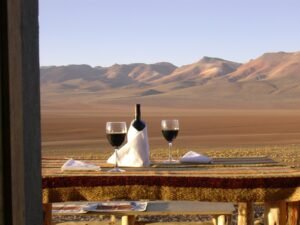
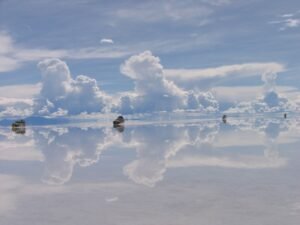
The Salar de Uyuni, the world’s largest salt flat, is one of the country’s best-known landscapes. The surrounding Altiplano features high-altitude lagoons, volcanoes, and environments inhabited by flamingos, vicuñas, and other species adapted to extreme conditions.
For a closer look at this region and the different ways to experience it, see our guide to private Uyuni Salt Flat tours in Bolivia.
There are also the landscapes of the Andes, Lake Titicaca, the valleys, and the historic cities of Sucre and Potosí, each offering another perspective on the country.
Bolivia’s cultural diversity is an important part of the experience. Across different regions, Indigenous peoples and local communities maintain knowledge, traditions, and connections to the land that can deepen a traveler’s understanding of the natural landscapes.
For those looking for a more varied journey, it’s possible to combine wildlife watching in the lowlands with the landscapes of the Altiplano and cultural experiences.
However, distances and changes in altitude require careful planning. Bolivia is not a country best explored in a rush, particularly when remote natural areas are part of the itinerary.
Allowing enough time in each region makes it easier to appreciate the contrasts and experience the many different sides of the country.
7. The Chance to Understand Wildlife Conservation Challenges
Bolivia’s extraordinary biodiversity also faces significant threats.
Habitat loss, wildfires, hunting, and conflicts between wildlife and human activities affect different ecosystems across the country.
For large cats, for example, conservation involves more than protecting the animals themselves. It also requires maintaining their habitats, natural prey populations, and connections between wildlife areas.
Through my expeditions and camera-trapping work in different regions, I’ve visited properties where jaguars, pumas, and tapirs were still present, even though the people living there rarely saw them.
These experiences helped me understand that wildlife conservation also means working with the people who share these landscapes and finding ways to make the presence of wild animals something worth protecting.
One interesting example can be found in Beni, where Asociación Armonía works to protect the blue-throated macaw. Its conservation initiatives include nature reserves, habitat protection, and collaboration with cattle ranchers and landowners to support the recovery of this threatened species.
Nature-based tourism can contribute to these efforts when it is developed responsibly, creates economic opportunities for local communities, and provides incentives to conserve natural ecosystems.
But its impact depends on how activities are organized, how wildlife is treated, and the relationships established with local communities.
Visiting Bolivia can also be an opportunity to better understand these challenges and learn about initiatives working to protect the country’s biodiversity.
Bolivia: A Country Worth Exploring
For nature lovers, Bolivia offers a compelling combination of remarkably diverse environments, opportunities to observe wildlife in its natural habitat, and regions that still offer a genuine sense of exploration.
After years of traveling through the country, I continue to discover places I want to explore further and species I hope to encounter again. That’s one of the reasons Bolivia still surprises me.
If you’re thinking about exploring Bolivia’s natural side, at Nick’s Adventures Bolivia we organize private expeditions and customized tours tailored to each traveler’s interests.