Madidi National Park vs The Bolivian Pampas: Which Should You Choose?
amazon & jungle Madidi National Park vs The Bolivian Pampas: Which Should You Choose? An honest expert comparison — wildlife, access and what you’ll actually

amazon & jungle
The short answer: they’re radically different ecosystems. The Pampas gives you easy, high-volume wildlife in open water. Madidi gives you rarer species and a genuine wilderness. The best itinerary combines both.
It’s the most common question asked by travellers planning an Amazon jungle tour in Bolivia: should you go to Madidi National Park, the Bolivian Pampas, or both? The answer matters — these two ecosystems are radically different, and choosing the wrong one for your goals means missing the wildlife you came to see.
This guide is based on 14 years of operating private tours in both regions. We’ll give you an honest comparison so you can decide with confidence.
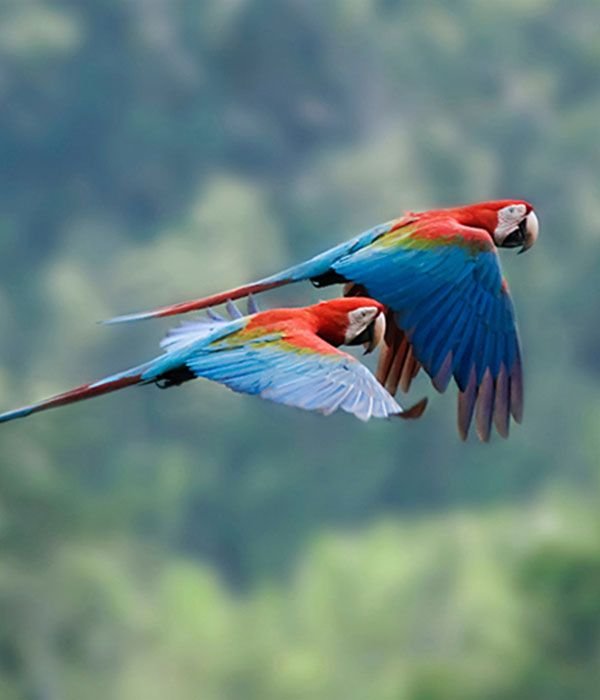
Madidi National Park covers 18,958 km² in the Bolivian Amazon and is consistently ranked among the top five most biodiverse protected areas on Earth. It has documented over 1,000 bird species, 200+ mammals, and 12,000+ plant species — figures that place it among the world’s most biodiverse protected areas.
Budget tours that stay in heavily trafficked zones near Rurrenabaque town — where hunting pressure has reduced wildlife populations — have very poor sighting rates. This is why some travellers return disappointed. The remote interior, reached by private operators, is a completely different experience.
The Pampas — specifically the Yacuma River area near Santa Ana de Yacuma — is a flooded grassland and gallery forest ecosystem. It’s Bolivia’s most accessible wildlife destination, with species concentrated along riverbanks where they’re easy to observe from boats.
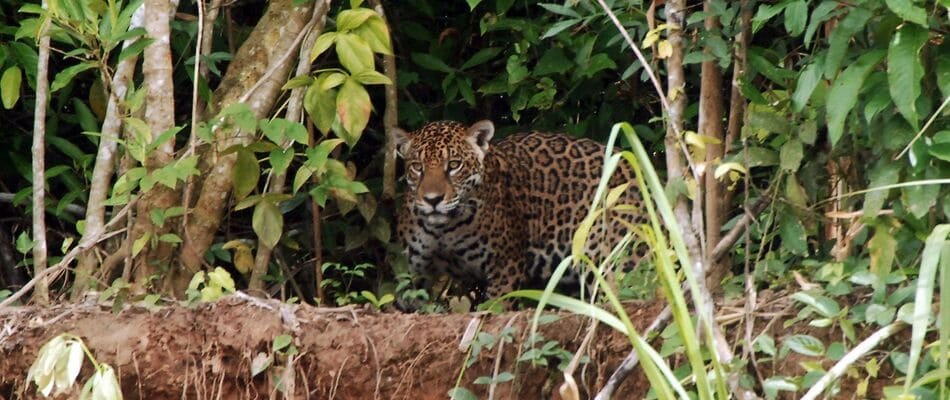
“Jaguar sightings in the Bolivian Pampas are near zero. Travellers visiting the Pampas only will miss approximately half of Bolivia’s iconic Amazon wildlife.”
| Madidi National Park | Bolivian Pampas | |
|---|---|---|
| Ecosystem | Primary tropical rainforest | Flooded savannah & gallery forest |
| Wildlife Visibility | Moderate — requires tracking | High — animals along open water |
| Jaguar | ✓ Recorded on select deep-zone expeditions | × Near 0% |
| Pink Dolphins | Occasional in river systems | ✓ Nearly every trip |
| Anaconda | Rare | ✓ Common sightings |
| Tapir | ✓ Regular (deep zones) | × Very rare |
| Birdlife | ✓ 1,000+ species incl. forest specialists | Waterbirds, waders, raptors |
| Primates | ✓ 10+ species | Limited |
| Minimum Days | 4 days / 3 nights | 3 days / 2 nights |
| Difficulty | Moderate — walking + boats | Easy — primarily boat-based |
| Best For | Birders, photographers, jaguar seekers | Families, first-timers, dolphin enthusiasts |
3 nights deep Madidi + 2 nights Pampas. One client on this itinerary documented 6 flagship species in a single trip: jaguar, tapir, pink dolphin, anaconda, giant anteater and the extremely rare bush dog — a list impossible on either region alone.
The majority of negative reviews about Bolivia’s Amazon come from travellers who booked the cheapest available tours. These tours stay in areas within 1–2 hours of Rurrenabaque — zones with intense hunting pressure and dozens of groups operating simultaneously. Wildlife in these areas has been dramatically reduced over the years.
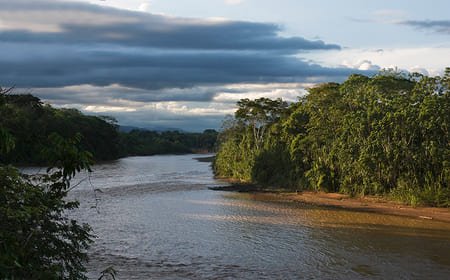
The remote interior of Madidi, reached by private operators travelling deep into the park by river, sees very low visitor numbers. Wildlife there behaves naturally. The difference in sighting rates between tourist-zone and deep-park expeditions is not marginal — it’s night and day.
Jaguar sightings in the Bolivian Pampas are extremely rare. Jaguars are found primarily in Madidi National Park's deep forest zones. Nick's Adventures has recorded jaguar sightings on select deep-Madidi expeditions — rare, never guaranteed, but Bolivia remains one of the best places in the Amazon to encounter wild jaguars.
A minimum of 3 nights (4 days) is recommended to reach the remote areas where wildlife is most abundant. Budget tours of 1–2 nights stay in heavily trafficked areas near Rurrenabaque where wildlife density is much lower. Expeditions of 4+ nights reach zones with dramatically higher sighting rates for flagship species.
The recommended itinerary is 6 days / 5 nights: Day 1 — fly to Rurrenabaque, transfer into Madidi. Days 2–4 — deep Madidi expedition with night walks and wildlife tracking. Day 4 afternoon — transfer to the Pampas. Days 5–6 — Pampas boat tours, then fly back from Rurrenabaque. This structure gives access to both ecosystems and maximises your chances of seeing Bolivia's full range of flagship Amazon species.

Nicholas McPhee is the Australian-born co-founder of Nick’s Adventures Bolivia, a tour operator based in Santa Cruz de la Sierra and established in 2012. He specializes in wildlife expeditions, jaguar tracking, and nature-focused travel across Bolivia.
Keep Exploring
amazon & jungle Madidi National Park vs The Bolivian Pampas: Which Should You Choose? An honest expert comparison — wildlife, access and what you’ll actually
amazon & jungle Amazon Jungle Tours Bolivia: Complete Guide to Madidi & the Pampas Everything you need to know before booking your Bolivia Amazon tour
uyuni salt flats Private vs Budget Uyuni Salt Flat Tours in Bolivia Safety, Comfort, and Experience Compared With more than 90 registered tour operators in the town
Wildlife & Travel Private Uyuni Salt Flat Tours in Bolivia: The Complete Guide Travel in style and comfort The Salar de Uyuni is the world’s
Ready to explore Bolivia?
Private tours to Madidi and the Pampas since 2012. Rated 4.9/5 on Google. 500+ TripAdvisor reviews.